
Redefining Balance in Everyday Life
In a fast-paced world, finding balance can feel overwhelming. Redefining it involves understanding what matters most to you and aligning your actions with those values. Balance in everyday life involves prioritising what aligns with your personal goals and being mindful of the present moment. By focusing on what truly matters, you can create a fulfilling, sustainable lifestyle that brings you closer to your ideal state of balance.
Understanding the Modern Definition of Balance
Modern life demands a rethinking of balance, taking into account shifts in our perceptions, technological advancements, and the variety of cultural and generational views.
How Our Perception of Balance Has Shifted
Your idea of balance probably isn’t what it used to be. In today’s fast-paced society, balance is less about equal distribution of time among tasks and more about prioritising what matters most. People now aim for personalised harmony based on individual values and needs. Flexibility is key, allowing you to pivot as life changes. This shift promotes well-being and a sense of fulfilment by reducing stress from trying to meet unrealistic standards.
The Impact of Technology on Daily Life
Technology impacts your daily quest for balance in profound ways. On one hand, devices streamline tasks and improve productivity, giving you more control over your time. Smartphones, apps, and other innovations enable work from anywhere, increasing flexibility. Yet, these same technologies can lead to burnout and overload. You’re expected to be constantly connected, blurring lines between work and personal life. Finding a healthy tech balance can significantly enhance quality of life.

Cultural and Generational Perspectives
Cultural backgrounds and generational influences shape how balance is perceived. Older generations might prioritise job stability and routine, while younger people often value flexibility and experiences. Cultural norms dictate how you approach life’s responsibilities and leisure, creating diverse understandings of what balance means. For some, it might be about work-life equilibrium; for others, it’s about integrating passions into daily tasks. These views continually evolve, reflecting a broader spectrum of choices that define balance today.
Strategies for Redefining Everyday Balance
In today’s fast-paced world, forging a balanced life requires innovative strategies. Establishing boundaries, focusing on emotional health, and rethinking how you view productivity can create a more harmonious daily experience.

Building Healthy Boundaries in a Connected World
Creating boundaries helps protect your well-being amidst constant connectivity. Start by setting specific times to disconnect from digital devices, using features like ‘Do Not Disturb’ or scheduling downtime on your phone. This digital detox fosters mindfulness and stress reduction.
Communication boundaries with family, friends, and colleagues are key. Clearly express when you’re available and when you need personal time. Respecting these boundaries helps manage expectations and reduces unnecessary interruptions.
Dedicating physical spaces for work and relaxation can also aid in setting boundaries. Allocating different environments for different activities creates a mental distinction between work and leisure, enhancing focus and relaxation during each.
Prioritising Emotional Well-being
Your emotional health is vital for maintaining balance. Regular self-reflection through journaling or meditation encourages awareness of your emotional state. By developing this practice, you can recognise stressors more clearly and develop strategies to manage them effectively.
Engage in activities that bring joy and relaxation. Whether it’s painting, hiking, or reading, these activities provide emotional fulfilment and recharge your energy. Allocate time in your schedule specifically for these pursuits to ensure they don’t get sidelined by daily tasks.
Integrate social interactions into your routine for emotional support. Regularly connecting with loved ones can improve your mood and offer a sense of community. Attending unique events, such as Current Crop Roasting’s cocktail events, can provide a fun and engaging way to bond with others and unwind. Sharing experiences and emotions fosters resilience against life’s challenges.
Rethinking Productivity and Leisure
Balancing work and leisure redefines how you achieve daily goals. Consider breaking tasks into manageable chunks. This not only prevents burnout but also increases efficiency and keeps motivation high.
Quality of work should take precedence over quantity. Focus on high-impact tasks that align with your long-term goals. Use tools like prioritisation matrices to identify tasks that yield significant results, allowing more time for leisure activities. For example, incorporating health checks like a FibroScan into your routine can also help you prioritise well-being, ensuring that your body is in top form to handle productivity and relaxation.
Leisure deserves just as much attention. Schedule downtime to recharge, taking breaks to clear your mind. Incorporate physical activities to boost creativity and reduce stress. Embracing a balanced approach to productivity and relaxation enriches weekly routines.

Incorporating Mindfulness and Flexibility
Balancing life means embracing both change and awareness. Cultivating adaptability helps navigate daily challenges, while mindfulness anchors you in the present. Together, these practices create a harmonious lifestyle.
Embracing Adaptability in Daily Routines
Life is ever-changing, and your routine should reflect that. Adaptability means adjusting your schedule when unexpected events occur. It’s beneficial to identify which parts of your day are fixed and which are flexible. This creates room for spontaneity without feeling overwhelmed.
Use lists to outline priorities, allowing you to manage time effectively. Accept that not everything can be controlled. Being flexible with your day helps manage stress and cultivates a more enjoyable daily experience. Practising adaptability can enhance resilience and improve your overall well-being.
Simple Mindful Practices for Busy Lives
Mindfulness doesn’t require hours of meditation; it can be woven into daily activities. Start by setting aside a few minutes each day for deep breathing exercises. Focus on your breath, and let thoughts pass without judgment. This practice grounds you in the present moment.
Incorporate mindfulness into everyday tasks like eating or walking. Pay attention to the sensations and experiences. Even brief moments of mindfulness can reduce stress and increase focus. Create a habit of gratitude by noting at least one positive thing daily. Over time, these practices contribute significantly to your emotional health.
Practical Steps to Sustain Your New Balance
Embarking on a journey to redefine balance in your everyday life is a commendable step. Sustaining this new balance requires setting clear, achievable goals and periodically checking your progress. This approach encourages growth and instils motivation.
Setting Realistic Expectations
Balance begins with understanding your limitations and resources. Be honest about what you can achieve, given your current obligations. If you aim to exercise more, start with short, manageable sessions. Overcommitting can lead to frustration, so prioritise what’s most important.
Create a list of objectives and classify them into:
- Short-term goals you can achieve within days or weeks.
- Medium-term ones that take a few months
- Long-term for a year or more
This approach transforms balance into a structured plan.
Regularly revisit and adjust these goals. Life changes, bringing new opportunities and challenges. Be flexible and adapt without guilt. Small, gradual progress is key, not overpushing for immediate perfection.
Tracking Progress and Celebrating Small Wins
Monitor your journey by recording daily or weekly actions. Use a journal or a digital tracker to note achievements and setbacks. This tangible evidence helps keep you accountable and spot patterns.Celebrate small achievements as motivation to continue. Acknowledge your efforts, even if they seem minor.
Here are a few ways to celebrate:
- Write a positive note about your progress.
- Treat yourself to a favourite activity.
Recognising these victories fosters a positive mindset, making the pursuit of balance a rewarding experience. Remember, consistent effort builds a foundation of sustainable progress.
Conclusion
Achieving balance in everyday life requires intentional focus on priorities that align with personal values. By creating boundaries, nurturing emotional well-being, and integrating practices like mindfulness and flexibility, you can maintain a lifestyle that fosters both productivity and relaxation. It’s important to adapt and reassess regularly, setting realistic goals that allow for continuous growth. By celebrating small wins along the way, you’ll find that sustaining balance becomes a rewarding and achievable journey.

Maximising Your Travel Time with Money-Saving Tips
Travel is a key part of opening our eyes to the potential of the world. It shows us new cultures, languages, and food, and takes advantage of opportunities those in prior generations could only have dreamed of. It’s also an activity that can be expensive, especially if you’re intending to travel without any means of active income. To this end, there are some helpful money-saving tips you can use to prolong your travelling experience, so you can see even more of the world.
Selling What You Don’t Need
If you’ll be travelling full-time, then saving more than usual beforehand is a must. Primary savings from work can then be bolstered further by selling any goods you won’t use while you’re away that you won’t miss or can easily replace when you return. Garage sales and Facebook groups are great places to start here, and you can take the approach a step further if you choose to outright sell your home.

Selling a home will net the most profit, though older sales methods tend to be much more complicated than selling smaller household objects. This is where modern online sales platforms like Sold come in, offering guaranteed sales on any property. Selling faster than any traditional estate agent in the UK, these systems streamline the sales process, reducing stress and providing a larger bankroll you can rely on as you travel.
Searching for Stays
Accommodation is usually the largest cost we’ll encounter overseas. Short-term rentals are generally much more expensive than flats, after all, and the more you move around, the more these costs will add up. Airbnb used to be considered the saving grace here, and while systems like those as covered at GoSummer are helpful, they’re also not the only option.
The better choice, especially if you’re planning to spend at least a month in a certain city, can be to search for local Facebook rental groups. These often cater to travellers and can offer prices in big cities far lower than more traditional rental options. Just be sure that the seller already has a positive reputation in that group, so you know they can be trusted.
Learn From Others
The final indispensable piece of advice we have is to understand that each area will have tricks that fellow travellers turn to when money-saving. To explore those, check out meet up services like the appropriately named Meetup, and see what ideas and approaches worked best for others. Not all ideas will apply to your situation, but there’ll likely be a few key takeaways you can adapt.

How to Take Photos of Clothes When Selling Online?
When selling on online platforms, high-quality photos are essential to showcase your products and attract buyers. After all, there is a lot of competition. Whether you’re selling on platforms like eBay, Etsy, Vinted, or your own website, clear, professional-looking photos can increase your chances of making a sale. Here’s a guide on how to take great photos of clothes you’re selling.

1.Choose the Right Equipment
A smartphone with a good camera is sufficient for taking photos of your clothes. However, if you want sharper, higher-quality images, you might want to invest in a DSLR or mirrorless camera, like a Canon EOS R10.
A tripod will help stabilise your camera or phone, ensuring sharp, clear images without motion blur. Proper lighting is also crucial for showcasing the details of your clothes. Natural light is ideal, but if you’re shooting indoors, consider investing in affordable lighting kits or using lamps to brighten up your space.
2.Pick a Clean and Neutral Background
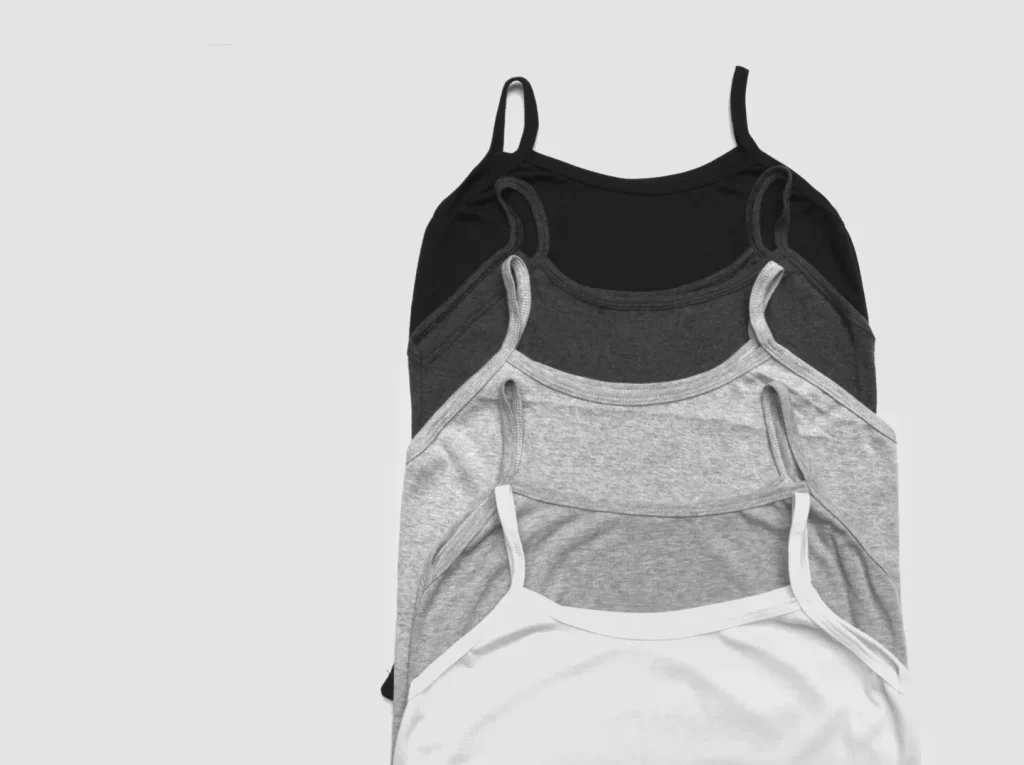
The background should not distract from the clothes you’re selling. Choose a simple, clean backdrop to keep the focus on the product. Here are a few background options:
- Plain White or Light-Coloured Wall: A white wall or a light-coloured backdrop helps the clothing stand out and gives the photo a clean, professional look.
- Seamless Paper: If you want a more polished look, seamless backdrop paper (available in various colours) is a great option. White or neutral shades work best.
- Flat Lay Setup: If you don’t have a space for hanging clothes, you can lay them flat on a bed, table, or large piece of fabric. Just make sure the surface is clean and wrinkle-free.
If you’re photographing multiple items, consider setting up a dedicated area where you can control the lighting and background easily.
3.Lighting is Key
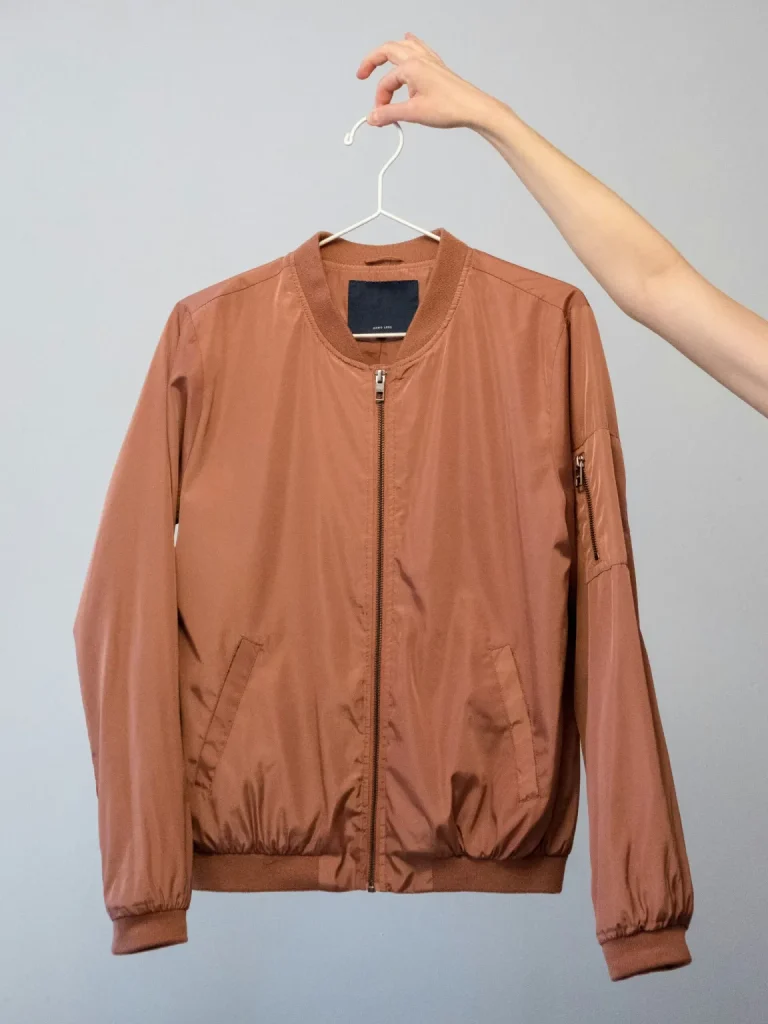
Good lighting is essential for capturing true colours and details. The right light will bring out the texture, fabric, and style of your clothing.
- Natural Light: Whenever possible, shoot during the day near a large window. The soft, diffused light from natural sources will make your clothes look vibrant and true to colour. Avoid direct sunlight, as it can create harsh shadows and overexpose parts of the image.
- Artificial Lighting: If you’re shooting indoors at night or on cloudy days, use softbox lights or LED lights to brighten up the space. Position the lights at 45-degree angles to avoid harsh shadows.
- Avoid Overhead Lighting: Overhead lights tend to cast unflattering shadows on clothing. Instead, use side or front-facing lights to illuminate the fabric evenly.
4.Use the Right Angles and Framing
The way you frame and angle your photos can make a big difference in how the clothes are perceived. Here’s how to showcase clothing from various angles:
- Full-Length Shot: A full-body shot showing the entire outfit is essential. Ensure the garment is centred and displayed straight, and leave some space around the edges of the photo to avoid a cramped look.
- Close-Up Shots: Take detailed close-ups of any unique features like buttons, zippers, patterns, or fabric texture. This gives buyers a better sense of the quality and craftsmanship of the item.
- Side and Back Shots: If possible, show the garment from multiple angles (front, side, and back). This helps customers understand the fit and design more clearly.
- Flat Lay: If you’re selling items like shirts, skirts, or dresses, laying them flat on a clean surface can show the design clearly. Make sure the clothes are arranged neatly, with no wrinkles, and be mindful of how the item is placed (ensure it’s centred and balanced).
- On a Model or Mannequin: If you have access to a mannequin or someone to model the clothes, it’s helpful to see how the item fits in real life. This is especially important for clothing where fit and shape are key selling points (e.g., jeans, dresses, coats).

5.Ensure the Clothing is Neat and Well-Pressed
Wrinkled or messy clothing can turn potential buyers away. Make sure the clothes you’re selling are clean, neatly pressed, and free from lint or pet hair.
- Iron or Steam: If necessary, iron or steam the garments to remove wrinkles. For delicate fabrics, a steamer is a great way to get rid of creases without risking damage.
- Lint Rollers: Use a lint roller to remove any lint, hair, or dust from the clothes before photographing them.
- Smooth the Fabric: Arrange the clothing so it looks crisp, and avoid bunching or folding it in a way that may distort its shape.
6.Focus on Colors and Details
When taking photos, make sure the colours in the clothing are accurately represented. Colours in photos can sometimes appear washed out or off, especially under certain lighting conditions.
- Avoid Overexposure: If the image is too bright, the colours will look unnatural. Ensure that your lighting is soft and balanced.
- White Balance: Most smartphone cameras have an automatic white balance feature, but if you’re using a digital camera, make sure the white balance is correctly adjusted to avoid colour distortions.
- Capture Unique Features: Highlight any distinctive elements of the clothing, such as embroidery, textures, or brand labels. Buyers often appreciate detailed shots that give them a closer look at what they’re purchasing.
7.Edit Your Photos (But Don’t Overdo It)
Editing your photos slightly can enhance the overall appearance, but it’s important not to overedit, as this can mislead buyers about the true appearance of the product. Keep your edits subtle and focused on improving clarity and brightness.
- Adjust Brightness and Contrast: If the photo is too dark or too light, adjust the brightness to make the clothing more visible.
- Crop and Align: Make sure the garment is centred and aligned within the frame. Crop out any unnecessary background or distractions.
- Colour Correction: Use editing tools to adjust colour if the photo looks too warm or too cool, ensuring the clothing’s true colour is reflected.
There are plenty of free and easy-to-use editing apps available that offer simple adjustments without overwhelming you with complex features.
8.Optimise for the Platform
Different selling platforms have different requirements when it comes to photo dimensions and quality. Be sure to check the photo guidelines for the specific site you’re selling on.
- Resolution: High-resolution images look professional and allow customers to zoom in to inspect details.
- Number of Photos: Many platforms allow multiple images per listing. Use this to your advantage by showing the product from various angles and highlighting any unique features.
- File Size: Compress images to reduce file size without sacrificing quality. Large image files may take longer to upload or slow down your listing’s load time.
9.Stay Consistent with Your Photos
For a cohesive and professional-looking online store, try to keep your photos consistent. Use the same lighting, background, and angles for all your listings. Consistency helps build a brand identity and makes your shop look more polished.
Taking great photos of the clothes you’re selling is an investment in your success. With the right lighting, equipment, and attention to detail, you can showcase your products in a way that attracts buyers and boosts your sales. By following these tips and refining your photography skills over time, you’ll be well on your way to creating a visually appealing online store that makes a lasting impression. Happy selling!
What are your top tips for selling online?
Transform Your Child’s Room with Creative Cabin Beds
A child’s bedroom is more than just a place to sleep—it’s a space for imagination, creativity, and comfort. Choosing the right furniture can transform the room into a stylish and practical environment that suits both playtime and bedtime. Cabin beds are a popular choice, combining functionality with fun, making them ideal for modern family homes.
Maximising Space with Smart Design
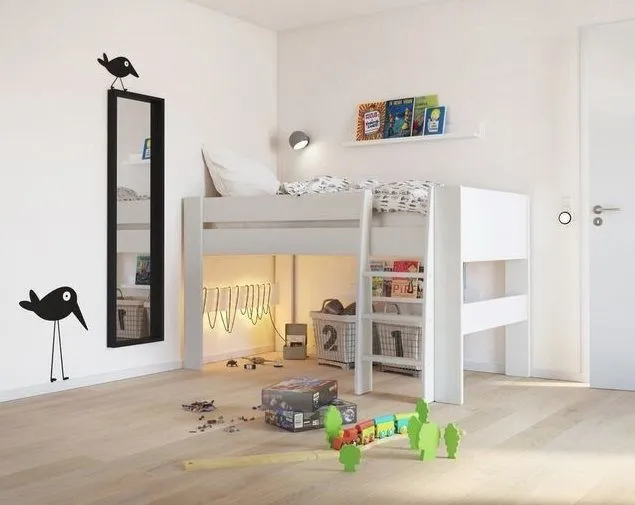
Cabin beds feature an elevated design that captivates children while serving practical purposes. By raising the sleeping area, these beds free up valuable floor space underneath. This area can become a play zone, study corner, or storage solution—the options are limitless.
The versatility of these beds allows them to adapt as your child grows. Initially, the space underneath can serve as a plush area for play; later, it can change into a study corner when homework becomes a priority. This multifunctional approach is particularly appealing to parents seeking to optimise limited space. If you are unsure where to look, the Children’s Bed Shop offers a range of well-designed cabin beds that cater to these evolving needs, ensuring both quality and functionality.
Safety and Comfort Considerations
While style and practicality are important, safety remains a top priority. High-quality cabin beds include sturdy guardrails, strong frames, and durable materials to provide stability and security. When selecting a cabin bed, it’s advisable to check that it meets safety standards, ensuring peace of mind.
Comfort is equally important. A supportive mattress that fits the cabin bed perfectly will encourage better sleep quality. Soft, breathable bedding and thoughtful design choices can enhance relaxation, making bedtime a more enjoyable experience for children. Choosing hypoallergenic materials and ensuring proper ventilation can further improve the sleeping environment, making it both healthy and comfortable.
Encouraging Organisation Through Smart Storage
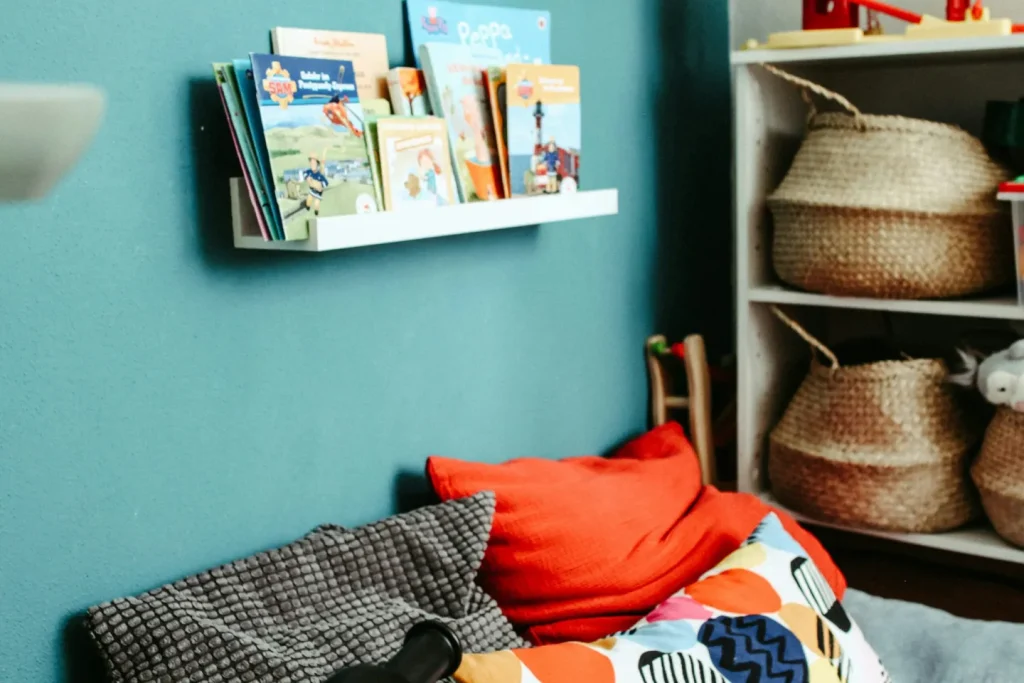
An organised space fosters a sense of calm and independence in children. Cabin beds often incorporate clever storage solutions that encourage kids to take ownership of tidying their rooms. Built-in drawers, shelves, or pull-out desks provide designated spaces for books, toys, and clothes, keeping everything within easy reach.
Additional storage elements, such as labelled bins or wall-mounted shelves, can further enhance organisation. A well-arranged space not only looks visually appealing but also helps children develop good habits in maintaining order within their environment. Hooks for hanging school bags, baskets for smaller items, and under-bed storage compartments can all contribute to an efficient layout.
Inspiring Creativity with Unique Designs
Cabin beds come in a variety of styles to suit different tastes. Whether a child dreams of a bed designed like a castle, a treehouse, or a sleek contemporary setup, there are plenty of options to align with their personality. Choosing a design that reflects their interests can make bedtime more exciting and encourage a sense of ownership over their space.
Decorative elements such as wall decals, themed bedding, and playful lighting can further enhance the bedroom’s aesthetic. Encouraging children to be involved in decorating their room allows them to express their creativity while ensuring that the space remains functional and enjoyable. Adding glow-in-the-dark stickers, fairy lights, or a DIY art wall can create a magical and personalised atmosphere.
Creating a Themed Bedroom for a Personal Touch
A themed bedroom can transform a standard sleeping area into an immersive space filled with personality and charm. Whether inspired by nature, outer space, or a favourite storybook, themed décor can bring a child’s imagination to life.
For a woodland-themed room, a cabin bed styled like a treehouse can set the tone, complemented by earthy tones, fairy lights, and nature-inspired accessories. A nautical-themed space might include blue and white bedding, wall-mounted ship wheels, and storage solutions resembling treasure chests. The key is to create an environment that feels magical while maintaining practicality.
Choosing the Right Cabin Bed for Your Child
When selecting a cabin bed, several factors should be considered, including the child’s age, room size, and specific storage needs. Younger children may benefit from lower cabin beds with easy access, while older children might prefer designs with built-in study spaces or additional storage.
Durability is also an important factor. Investing in a well-crafted bed made from high-quality materials ensures longevity and resilience against everyday wear and tear. Neutral designs can also provide flexibility, allowing the room to be updated with new décor as the child’s preferences change.
Budget-Friendly Options for Every Home
Cabin beds come in a range of price points, making it possible to find something that fits within a set budget. While high-end models offer premium features such as built-in lighting or hidden storage compartments, there are also affordable options that still provide great functionality.
For families looking to save money, second-hand or upcycled cabin beds can be a great alternative. A fresh coat of paint, new handles, or additional shelving can give an older bed a new lease on life while keeping costs down. DIY customisation projects can also make a standard bed feel unique without breaking the bank.
As you can see, a well-designed bedroom can positively impact a child’s daily routine, promoting relaxation, creativity, and independence. By choosing the right style and maximising functionality, parents can craft a space that not only looks great but also meets their child’s evolving needs.