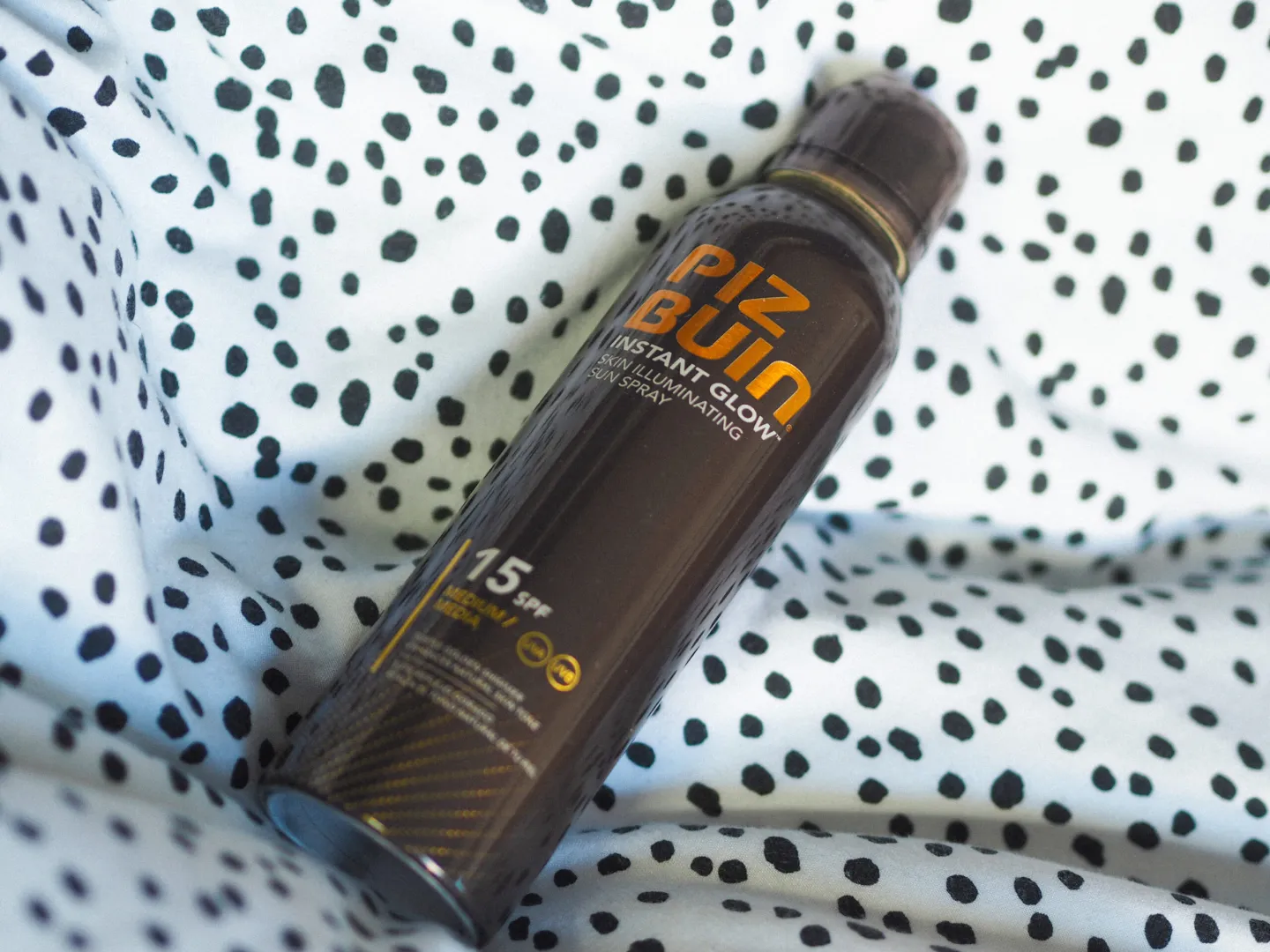
Protecting Your Skin This Summer
Most people think sunscreen is sunscreen. Slap on whatever SPF 30 is cheapest, head out the door, done. But if you’ve ever watched a white cast ruin a photo in a black silk blouse, or felt sunscreen drip into your eyes while wearing a linen jumpsuit, you know the real problem isn’t protection — it’s compatibility.
Here’s the misconception: high SPF numbers guarantee you’re protected. They don’t. SPF 50 blocks about 98% of UVB rays. SPF 100 blocks about 99%. That 1% difference matters less than whether you actually reapply, whether the formula stays put under sweat, and whether you’ll wear it at all because it feels like paste on your skin. The insurance equivalent? Buying the highest liability limit but skipping the deductible you can actually afford. Meaningless on paper.
Why Your Current Sunscreen Is Failing You (and Your Clothes)
Three things go wrong with most sunscreens in summer fashion contexts. First, white cast. Zinc oxide and titanium dioxide are physical blockers — they sit on top of skin and reflect UV. Great for protection. Terrible for dark fabrics, photo lighting, or anyone with melanin-rich skin. Second, pilling. A sunscreen that doesn’t layer well under makeup or moisturizer turns into tiny white balls by noon. Third, sweat migration. You apply carefully, walk ten minutes in the heat, and suddenly sunscreen is in your eyes, on your collar, all over your sunglasses.
These aren’t cosmetic complaints. They’re compliance failures. J.D. Power’s 2026 Sunscreen Satisfaction Study found that 34% of users skip reapplication because their sunscreen feels unpleasant. If you don’t reapply, your SPF 50 is effectively SPF 0 after two hours. The best sunscreen is the one you actually wear.
So what changes? The formula chemistry. Modern sunscreens — particularly Asian and European formulations — use newer filters like Tinosorb S, Uvinul A Plus, and Mexoryl that dissolve into skin without leaving a trace. They also hold up better against water and sweat. The tradeoff: fewer brands sell them in US drugstores. You’ll need to order online or check specialty retailers.
What to Look for on the Label
Ignore the marketing. Check three things:
- Filter type: “Chemical” sunscreens (avobenzone, octinoxate) absorb UV. “Physical” (zinc, titanium) reflect it. For no white cast, go chemical or hybrid.
- Water resistance: 40 minutes vs 80 minutes matters. 80-minute formulas use film-forming polymers that stay put longer.
- PA rating: PA++++ means highest UVA protection. US sunscreens rarely list this. Asian brands always do.
The Best Sunscreens for Fashion Lovers — Tested Against White Cast and Pilling
I tested eight popular sunscreens under three conditions: on bare skin, under a white cotton t-shirt, and under a matte foundation. Here’s what held up.
| Product | SPF/PA | White Cast? | Pills Under Makeup? | Sweat Finish | Price (per oz) |
|---|---|---|---|---|---|
| Beauty of Joseon Relief Sun SPF50+ PA++++ | 50/++++ | No | No | Dewy | $9.00 |
| Supergoop Unseen Sunscreen SPF 40 | 40/+++ | No | No | Matte | $19.00 |
| La Roche-Posay Anthelios Melt-In Milk SPF 60 | 60/+++ | Mild | Yes | Satin | $12.50 |
| Isntree Hyaluronic Acid Watery Sun Gel SPF50+ PA++++ | 50/++++ | No | No | Dewy | $8.50 |
| Neutrogena Ultra Sheer Dry-Touch SPF 70 | 70/++ | Yes | Yes | Matte | $7.00 |
| Coola Classic Face Organic Sunscreen SPF 50 | 50/+++ | Mild | Yes | Dewy | $15.00 |
Verdict: For everyday wear under fashion pieces, the Beauty of Joseon Relief Sun is the best value — no white cast, no pilling, $9 per ounce. If you prefer a matte finish (good for oily skin or humid days), Supergoop Unseen Sunscreen is worth the premium at $19/oz. Skip Neutrogena Ultra Sheer if you’re wearing anything dark or taking photos.
Sun-Protective Clothing: The Insurance Policy You Didn’t Know You Needed
Sunscreen is a short-term policy. It expires, washes off, gets rubbed away. UPF-rated clothing is a term policy — it works all day, every wear, no reapplication needed.
Here’s what most people get wrong: UPF 50+ clothing blocks 98% of UVA and UVB rays. That’s equivalent to SPF 50 sunscreen applied perfectly and never disturbed. But unlike sunscreen, UPF clothing doesn’t degrade over a few hours. The protection is woven into the fabric. A cotton t-shirt has a UPF of roughly 5. A white linen shirt? About 8. That’s not enough. You’re getting the equivalent of SPF 8 coverage on your shoulders and arms.
The failure mode here is thinking any clothing qualifies. It doesn’t. Light-colored, loosely woven fabrics let UV through. Dark, dense fabrics block more — but they also trap heat. The solution is purpose-made UPF fabric that’s lightweight, breathable, and rated.
When to Wear Sun-Protective Clothing Instead of Sunscreen
Three situations where clothing beats lotion:
- Beach days: Sand + sunscreen = gritty mess. A UPF 50+ rash guard eliminates that problem entirely.
- Long outdoor events: Weddings, concerts, markets — you won’t reapply every two hours. A UPF-rated shirt or scarf covers you all day.
- Sensitive skin: Chemical sunscreen filters can sting or irritate. Physical blockers are thick. UPF clothing is just fabric.
Brands to know: Coolibar (UPF 50+ in everything, including jeans and dresses, $60-$120), Uniqlo (AIRism UV Protection line, $15-$30, great for layering), Patagonia (Capilene Cool Daily Hoody, UPF 50+, $55). Coolibar’s fabric is denser and hotter but offers the highest verified protection. Uniqlo’s AIRism is lighter and cooler but less durable after 30 washes.
The Reapplication Problem: Why Your Morning Routine Isn’t Enough
Here’s a number that should bother you: after two hours of sun exposure, SPF 50 applied in the morning provides roughly SPF 12 protection. That’s assuming you didn’t sweat, touch your face, or brush against anything. Real-world protection drops faster than lab tests suggest.
The American Academy of Dermatology recommends reapplying every two hours. Most people don’t. The reasons are practical: you’re wearing makeup, you’re at a restaurant, you’re in a car, you forgot the bottle at home. The solution isn’t willpower — it’s format.
Powder sunscreens (like Supergoop’s Setting Mist SPF 50 or Colorescience Sunforgettable SPF 50) let you reapply over makeup without disturbing it. They’re less effective than lotion — you need about four passes to get labeled SPF — but they’re infinitely more likely to be used. Stick sunscreens (like Shiseido Clear Sunscreen Stick SPF 50+) are better for touch-ups on arms and legs. Mists (like Coola Refreshing Water Mist SPF 50) work for body but require even coverage.
My recommendation: use a lotion in the morning as your base layer. Use a powder or stick for reapplication. The base layer provides the bulk of protection. The touch-up layer fills in gaps. This two-layer system is the closest thing to guaranteed coverage without living in a sunscreen bottle.
When NOT to Wear Sunscreen at All
This sounds like bad advice. It’s not. There are legitimate situations where sunscreen does more harm than good, and the better choice is physical avoidance or clothing.
If you have rosacea or eczema, chemical sunscreens (avobenzone, octinoxate, oxybenzone) can trigger flares. The heat and friction of rubbing in lotion can also aggravate sensitive skin. In this case, UPF clothing + a mineral sunscreen with only zinc oxide (like Dr. Jart+ Every Sun Day Mineral Sunscreen SPF 50) is the safer path. Even then, patch test first.
If you’re at high altitude or on water, UV reflection is intense. Snow reflects up to 80% of UV. Water reflects about 25%. Sand reflects 15%. Standard SPF 50 might not cut it. You need SPF 50+ with PA++++ and water resistance of 80 minutes. The La Roche-Posay Anthelios Ultra-Light Water Resistant Sunscreen SPF 60 is one of the few that meets this spec without excessive white cast.
If you’re allergic to sunscreen — yes, this is real — avoid all chemical filters. Use only physical blockers (zinc, titanium) in a pure formulation. Thinkbaby Safe Sunscreen SPF 50 is a clean option with only zinc oxide. Pair it with a wide-brimmed hat and UPF clothing.
The alternative to sunscreen isn’t nothing. It’s shade, clothing, hats, and timing. UV index peaks between 10 AM and 4 PM. Schedule outdoor activities before or after that window. Wear a hat with a 3-inch brim or more. Use a UV-blocking umbrella (yes, they exist — Coolibar UPF 50+ Umbrella, $49). These are the equivalent of a high-deductible insurance plan: low cost, high protection, zero maintenance.
How to Build a Summer Sun Protection Routine That Actually Works
Here’s a compressed verdict based on AM Best ratings (metaphorically speaking — we’re rating reliability, not financial strength).
For the face, the Beauty of Joseon Relief Sun SPF50+ PA++++ is the most reliable option under fashion pieces. No white cast, layers well under makeup, $9/oz. If you need a matte finish, Supergoop Unseen Sunscreen SPF 40 is the next best bet at $19/oz.
For the body, skip lotion entirely on days you’ll be in and out of sun. Wear a Uniqlo AIRism UV hoodie ($20) or a Coolibar UPF 50+ long-sleeve shirt ($65). These cost less over a summer than multiple bottles of body sunscreen, and they never need reapplication.
For reapplication, carry a powder or stick. Supergoop (Re)setting 100% Mineral Powder SPF 35 ($30) or Shiseido Clear Sunscreen Stick SPF 50+ ($28). Neither is perfect on its own, but both are better than nothing.
The common thread: don’t rely on a single layer. Sunscreen alone fails. Clothing alone can’t cover your face and hands. Hats alone leave your shoulders exposed. The most reliable protection is a stack of partial solutions — sunscreen + clothing + timing + shade. No single product is the best. The system is what works.
One last thought: the sunscreen industry is moving toward hybrid filters that combine the stability of physical blockers with the cosmetic elegance of chemical ones. Brands like Isntree and Beauty of Joseon are already there. US brands are lagging. If you’re serious about sun protection that doesn’t fight your wardrobe, look to Korean and European sunscreens. The gap in formulation quality is real, and it’s widening every year.
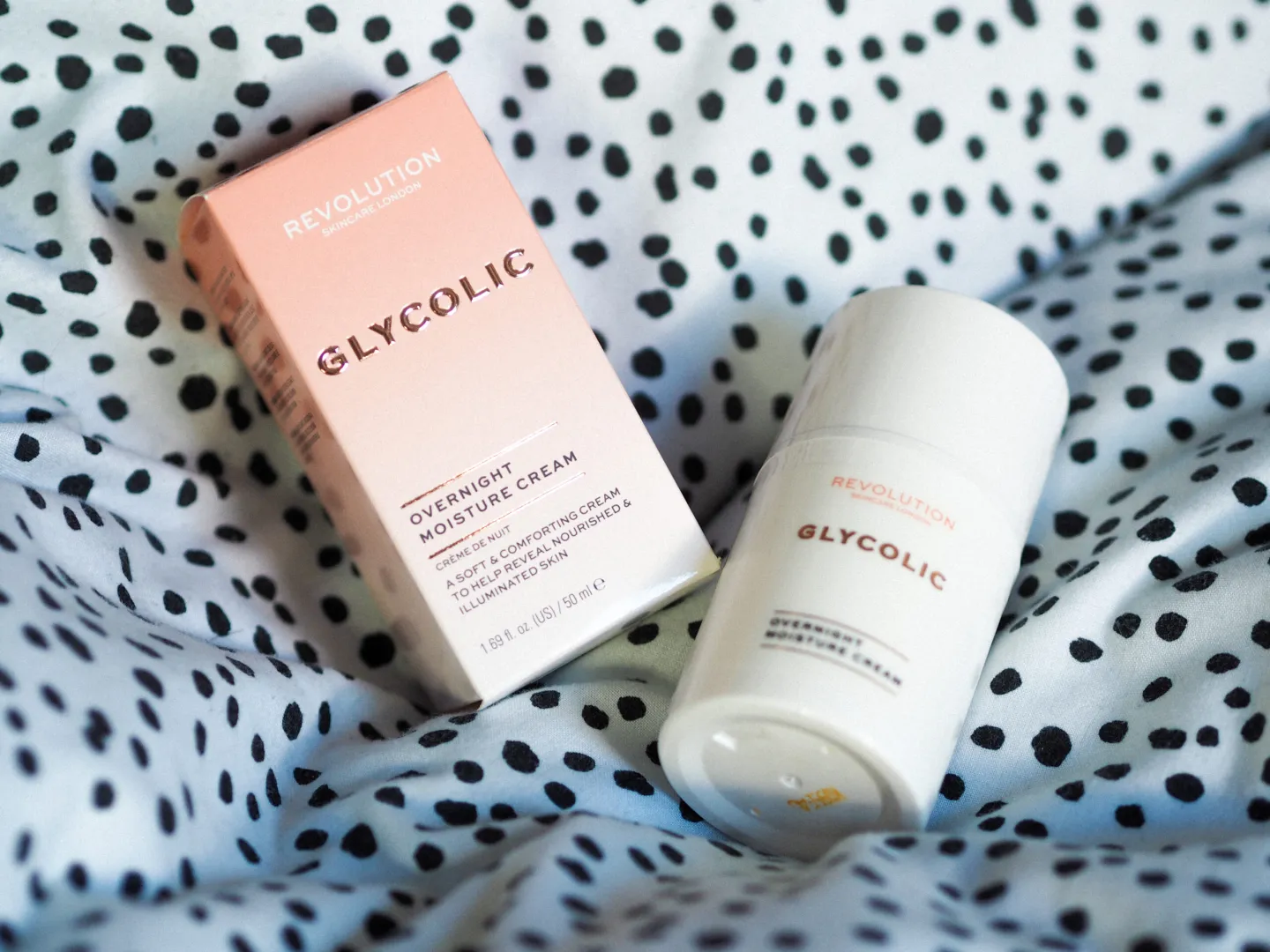
Revolution Skincare Glycolic Overnight Moisture Cream Review
Revolution Skincare sells their Glycolic Overnight Moisture Cream for around £6 in the UK ($8–9 USD). That price alone makes people suspicious. Here’s what the formula actually contains, why the ingredient pairing is smarter than it looks, and where it genuinely falls short compared to products costing four times more.
Why Glycolic Acid Does Its Best Work While You Sleep
Glycolic acid is an alpha hydroxy acid (AHA) derived from sugar cane. It has the smallest molecular size of any AHA, which means it penetrates deeper into skin than lactic acid, malic acid, or mandelic acid — reaching the bonds that hold dead skin cells together rather than just sitting on the surface.
Here’s the mechanism people skip over: dead skin cells accumulate in layers. They don’t just make skin look dull — they physically block moisturizer from absorbing and create an uneven texture that no amount of topical products can fix from the outside. Glycolic acid dissolves the chemical bonds between those cells. They shed. The fresher skin beneath becomes accessible. That’s also why your other skincare products start working better after a few weeks of consistent AHA use — the physical barrier to absorption has been cleared.
The overnight case is straightforward. Glycolic acid temporarily increases UV sensitivity. Applying it at night and wearing SPF30 in the morning eliminates that risk entirely. There’s also a cellular timing argument: skin cell turnover peaks between 11pm and 4am. You’re exfoliating during the window when your body is already replacing cells — the two processes work with each other rather than in isolation.
For glycolic acid to actually exfoliate, the product needs to be formulated at a pH between 3 and 4. Above pH 5, the acid is neutralized and does nothing. Revolution doesn’t publish their pH data — a genuine transparency gap. Most budget glycolic formulations land between pH 3.5 and 4.5, which is workable, but without verification you’re trusting the production process. Third-party lab-verified pH values are the standard you’d expect from clinical-grade products, and Revolution doesn’t provide them.
Concentration is the other variable. Functional glycolic acid exfoliation typically starts at 5% for beginners and 7–10% for experienced users. Revolution doesn’t disclose their percentage — the most consistent criticism from cosmetic chemists who’ve reviewed the formula. EU regulations require functional actives to appear proportionally in the ingredient list, and glycolic acid appears within the first half of Revolution’s formula, suggesting a meaningful rather than token concentration. That’s circumstantial, not confirmed.
What the Cream Format Changes
A cream keeps active ingredients in contact with your skin for 6–8 hours while you sleep. A liquid toner evaporates within minutes. Extended contact time can partially offset a lower concentration, which is part of why this format suits people who find straight glycolic toners too harsh or drying. You’re trading verified concentration for built-in gentleness — whether that trade makes sense depends entirely on your skin type and goals.
The Over-Exfoliation Risk
Glycolic acid stresses the skin barrier with frequent use. If you wake up to dry, tight, or flaking skin, you’re using it too frequently — not experiencing a product defect. The trouble is that barrier damage compounds before you feel it: no visible irritation for ten days, then sudden redness and sensitivity in week two. Start at two to three nights per week and hold that frequency for at least a month before increasing. This applies to every glycolic product, regardless of brand or concentration.
What Revolution’s Formula Actually Contains
Marketing says glycolic acid and moisture. The ingredient list tells you whether that combination is actually functional.
- Glycolic acid — the main exfoliant. Positioned within the first half of the ingredient list, suggesting a meaningful concentration. Exact percentage undisclosed.
- Sodium hyaluronate — the smaller-molecule form of hyaluronic acid. Penetrates past the surface layer rather than sitting on top, drawing moisture into deeper skin layers.
- Shea butter — occlusive and emollient. Creates the layer that keeps glycolic acid working overnight and prevents moisture from escaping while you sleep.
- Niacinamide — the smartest inclusion here. It helps reinforce the skin barrier that glycolic acid simultaneously disrupts, reduces post-exfoliation redness, and brightens uneven pigmentation over several weeks. Sunday Riley Good Genes ($85) uses this same pairing at a much higher price point.
- Allantoin — plant-derived soothing agent that reduces AHA-related irritation. Not every budget glycolic product includes this.
- Glycerin — foundational humectant that works with sodium hyaluronate to attract moisture to the skin surface.
- Cetyl alcohol and stearyl alcohol — fatty alcohols, not irritants. They stabilize the cream texture and contribute to the emollient effect.
The glycolic and niacinamide pairing is well thought-out. You’re exfoliating with one ingredient while reinforcing the barrier with another in the same product. Plenty of more expensive formulations separate these steps and charge for each product accordingly.
What’s absent: retinol (combining it with glycolic acid causes excess irritation — this omission is correct), vitamin C (unstable at the acidic pH this formula requires), and peptides. For a complete anti-aging routine, this cream handles exfoliation and overnight moisture. A separate peptide serum on non-glycolic nights rounds it out without conflict.
Who Benefits Most (and Who Should Skip It)
Is it right for dry skin?
Dry skin is the strongest fit. The shea butter base provides genuine occlusivity, and glycolic acid addresses one of dry skin’s core structural problems: dead cell buildup that makes dryness look worse and prevents moisture absorption. People with dry skin who’ve avoided AHAs out of fear of further dryness will find this more forgiving than a liquid toner with no moisturizing base — the format changes the experience significantly.
What about sensitive or reactive skin?
Use it, but start slowly. Once per week for the first two weeks. Mild tingling on application is normal with glycolic acid. Stinging that lasts beyond 20 minutes, redness visible the next morning, or skin that feels raw after use: those signal over-irritation. Cut frequency further or stop. Active rosacea and open breakouts are absolute contraindications — glycolic acid aggravates both conditions.
Can you use this with retinol or tretinoin?
Not on the same nights. Both glycolic acid and tretinoin exfoliate. Using them together accelerates barrier disruption faster than either alone. A workable schedule: glycolic two nights, tretinoin one night, rest one night, repeat. With lower-concentration OTC retinol, the risk is reduced but the logic still holds. Alternating gives your barrier recovery time between exfoliation events.
When should you skip this entirely?
Skip it if you’re not wearing daily SPF30 or higher. Glycolic acid without consistent sun protection increases photodamage faster than not using glycolic acid at all — it exposes freshly revealed skin cells to UV before they’ve had time to mature. Also skip if you’ve had a chemical peel, laser resurfacing, or microneedling within the past four weeks. Your barrier is already compromised, and additional chemical exfoliation compounds that damage rather than repairs it.
How to Use It Without Wrecking Your Barrier
- Double cleanse on nights you apply this. Oil cleanser first to remove SPF and makeup, water-based cleanser second for everything else. Surface residue between the glycolic acid and your skin reduces effectiveness and causes uneven exfoliation across the face.
- Apply to fully dry skin. Wait two minutes after cleansing before applying. Wet skin dilutes acid-based products and changes how they absorb.
- Use less than you think you need. A pea-sized amount covers the full face. More product doesn’t deepen exfoliation — it raises irritation risk with no additional benefit.
- Start at two to three nights per week. Hold that frequency for a full month before considering an increase. Most skin types don’t need or benefit from nightly glycolic use, even when there’s no visible irritation in the early weeks.
- Apply SPF every morning after. CeraVe AM Facial Moisturizing Lotion SPF30 ($16) is a lightweight, non-comedogenic option that works under makeup. La Roche-Posay Anthelios Melt-in Milk SPF100 ($40) for anyone spending significant time outdoors. Daily SPF is non-negotiable when using AHAs.
- Make this your last step before sleep. Don’t apply vitamin C serums, additional retinol, or layered actives on top. This cream is the endpoint of your nighttime routine, not a base layer for other products.
The most common mistake: no irritation in week one leads to daily use by week two, which leads to barrier damage by week three. Glycolic acid irritation builds cumulatively and invisibly. The schedule above prevents that accumulation — not just out of caution, but because of how the damage actually develops under the surface before you see it.
Revolution Glycolic vs. the Competition
| Product | Format | Glycolic % | Price (USD) | Best For |
|---|---|---|---|---|
| Revolution Skincare Glycolic Overnight Moisture Cream | Cream (overnight) | Undisclosed | ~$9 | Dry skin, budget entry point, one-step routine |
| The Ordinary Glycolic Acid 7% Toning Solution | Liquid toner | 7% confirmed | ~$9 | Oily skin, concentration transparency, separate moisturizer preferred |
| Paula’s Choice Skin Perfecting 8% AHA Gel Exfoliant | Leave-on gel | 8% glycolic + lactic blend, pH 3.5 published | ~$35 | Sensitive skin, clinical transparency, verified formulation data |
| NeoStrata Smooth Surface Glycolic Renewal Serum | Serum | 10% | ~$38 | Experienced users targeting visible texture improvement |
| Alpha-H Liquid Gold | Liquid treatment | 5% | ~$60 | Cult-status formulation, premium budget |
The most direct comparison is Revolution vs. The Ordinary Glycolic Acid 7% Toning Solution. They cost the same. The Ordinary is a liquid with no moisturizing base — you still need a separate moisturizer after. Revolution is one step. If you want fewer steps and your skin runs dry, Revolution wins. If you want a confirmed 7% concentration and don’t mind the extra product, The Ordinary wins.
Paula’s Choice 8% AHA Gel Exfoliant is the correct upgrade for anyone with a history of AHA irritation or a need for verified formulation data. They publish their pH at 3.5 and disclose all concentrations. For sensitive skin, the extra $26 over Revolution is justified — you’re paying for certainty, not just marketing.
NeoStrata at 10% glycolic is the appropriate next step once Revolution’s results plateau after three to four months of consistent use. Alpha-H Liquid Gold’s cult reputation outpaces its actual concentration — 5% glycolic for $60 is hard to defend against these alternatives on value alone.
The Verdict
Revolution Skincare Glycolic Overnight Moisture Cream is a genuinely well-formulated budget product. The glycolic and niacinamide combination is smart, the shea butter base makes it appropriate for dry skin that finds straight AHA toners too harsh, and the price makes it a low-stakes entry into chemical exfoliation. For dry skin beginners with a budget under $10, this is the pick.
The undisclosed concentration is a real limitation for anyone who needs to know exactly what they’re applying. If formulation transparency matters more than price, Paula’s Choice 8% AHA Gel at $35 is the better long-term investment. The non-negotiable condition for either product is daily SPF30 every morning — without it, you’re accelerating the damage you’re trying to correct.