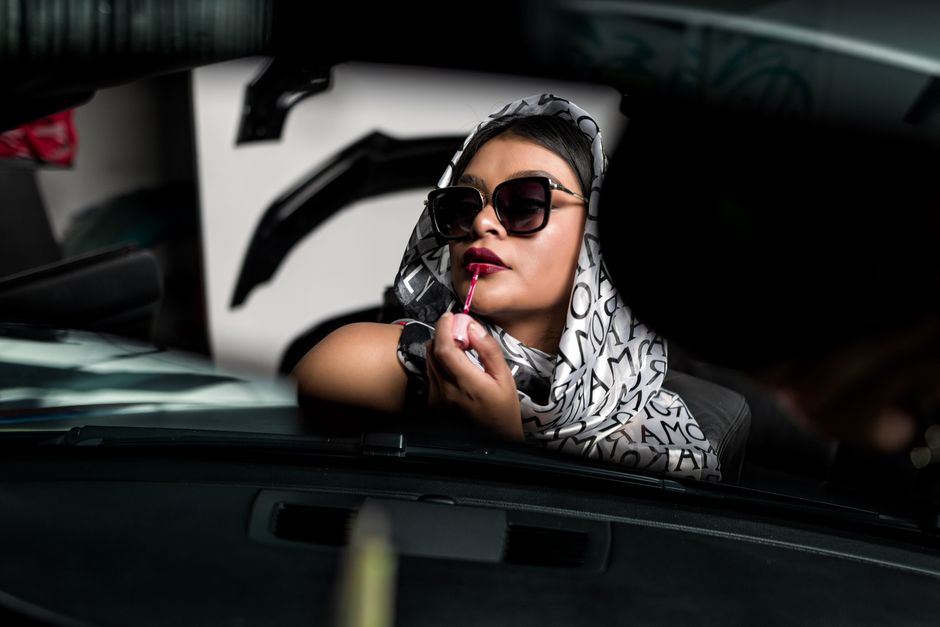
Rare Beauty says its Soft Pinch Liquid Blush sells once every four seconds, which tells you something about autumn makeup: people want visible colour without a full face. I have spent years testing that balance, and the polished version is not built from more foundation. It comes from thin layers, controlled warmth, and colour placed where the face naturally changes tone.
This guide is for anyone who wants an autumn makeup look that survives dry air, indoor heating, office lighting, and dinner plans without feeling thick. I will cover the technique first, then the products that earn their price. Prices are typical US list prices checked for 2026 and can change.
How to Build a Light Base That Still Looks Finished

A light base works when you control placement and give each layer time to settle. Rushing is what makes sheer products look uneven. I use the following order for weekday mornings and event makeup alike.
The five-minute order
- Apply moisturiser to the cheeks, around the mouth, and under the eyes. Use less on the forehead and nose.
- Wait three to five minutes so the skincare stops feeling wet.
- Press a thin skin tint or tinted moisturiser over the centre of the face, then feather the remaining product toward the jaw.
- Use a pinhead-sized amount of concealer only on visible redness or shadows.
- Tap cream blush high on the cheek, starting farther back than you think. Blend toward the apples instead of placing a bright patch directly on them.
- Set only the sides of the nose, the centre of the forehead, and the crease beneath the eyes. Leave the cheekbones fresh.
The order matters because cream colour grips better on a lightly set base than on wet skincare. It also keeps powder from swallowing the glow you worked to create.
The boundary test
Check the jawline, hairline, and sides of the nose in daylight. These are the places that reveal a shade mismatch or a product edge. A good light base should fade into the skin within an inch of the face. If you can see a stripe, use a clean damp sponge or warm fingertips to press the edge away.
Do not judge the result in a magnifying mirror. Makeup is seen at normal conversation distance, under changing light. I check the face from about two feet away, then take one phone photo near a window. If the skin still looks even and the cheeks still have shape, stop there.
Which Lightweight Products Actually Earn a Place?
The table below is my short list for autumn makeup looks that need polish without a heavy finish. I favour products that solve one clear problem: evening tone, adding believable warmth, or giving the lips enough colour to anchor the face.
Quick comparison
| Product | Typical US price | Finish and detail | Best use |
|---|---|---|---|
| ILIA Super Serum Skin Tint SPF 40 | $48 | 1 oz, SPF 40, light buildable coverage | Dry or normal skin that wants a dewy base |
| Saie Slip Tint SPF 35 | $36 | 1.35 oz, mineral SPF, sheer radiant finish | Very light coverage and a fresh daytime look |
| Rare Beauty Soft Pinch Liquid Blush | $25 | One-dot pigment, dewy or matte shades, up to 12 hours | High-impact cheek colour with minimal product |
| MERIT Flush Balm | $30 | Sheer cream cheek colour with a skin-like finish | Beginners who want forgiving, soft blush |
| Victoria Beckham Beauty Posh Lip | $38 | Creamy satin lipstick in a slim bullet | A refined berry, rose, or brown-red lip |
My product verdicts
For dry skin, the ILIA Super Serum Skin Tint SPF 40 is the strongest base pick because the 1 oz formula gives light coverage while keeping a luminous finish. I would skip it on very oily skin unless you are happy to powder the centre of the face. Saie Slip Tint is the better choice for someone who wants the least noticeable coverage, but its SPF should not replace a properly applied sunscreen layer.
For cheeks, Rare Beauty Soft Pinch Liquid Blush wins on value and staying power, but it punishes a heavy hand. Start with less than one dot for both cheeks. MERIT Flush Balm is the safer buy for beginners because the colour builds slowly. For an evening look, Victoria Beckham Beauty Posh Lip gives the face a finished edge without requiring a dark eye.
Which Autumn Shades Look Expensive Instead of Loud?
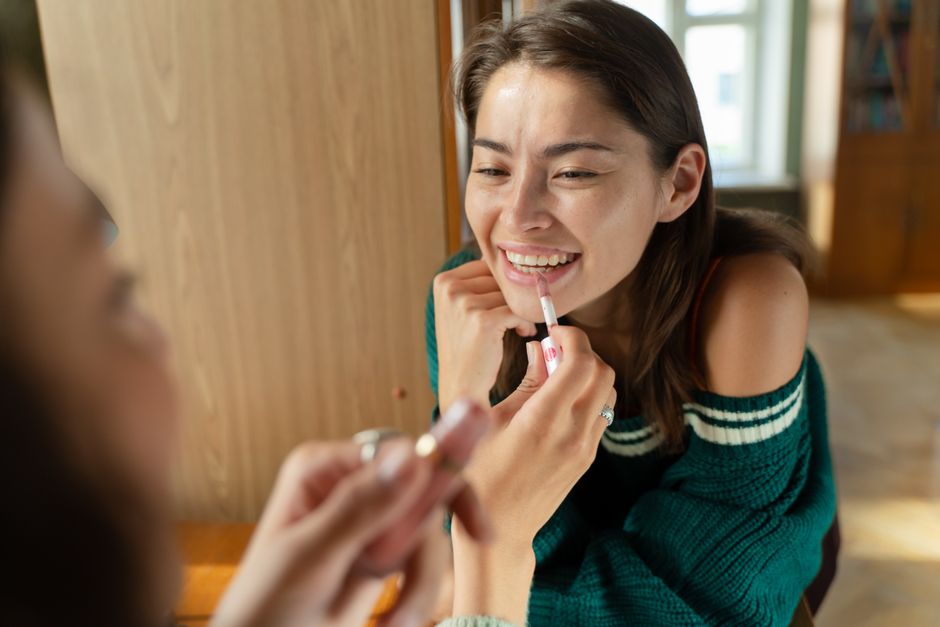
Autumn colour does not mean orange, copper, and deep brown on every feature. The most wearable looks use one warm shade, one muted shade, and plenty of skin showing around them. That restraint makes the makeup look intentional.
Which colours work across skin tones?
Muted rose, cinnamon pink, soft terracotta, toasted peach, and sheer berry are the most useful autumn families. On fair skin, dusty rose and soft brick usually look more natural than strong orange. On medium skin, cinnamon, terracotta, and warm plum create depth without turning grey. On deep skin, rich berry, burnt sienna, and raisin bring the same autumn feeling with enough saturation to remain visible.
Undertone matters more than the label “autumn.” A cool mauve can look elegant on cool or neutral skin, while a yellow-orange blush may turn sallow. Test colour on the cheek, not the wrist. The cheek has more surface redness and gives a better idea of how the shade will sit in the full look.
How much warmth is enough?
Choose one place for obvious warmth. If the cheeks are terracotta, keep the eyes in a quiet taupe or soft brown. If the eyelids carry copper, use a rose or neutral blush. If the lip is berry, leave the cheeks sheer. This one-feature rule prevents the muddy effect that comes from stacking several warm products in the same area.
For a polished result, place blush slightly higher and farther back than the fullest part of the cheek. Add a small amount toward the nose only after the outer edge looks blended. That creates shape without the round, overheated look that can make light makeup seem less refined.
Where I Would Spend the Money—and Where I Wouldn’t
My opinion: spend on the product that controls the face’s colour, not on a thicker base. A good blush or lip shade can make a five-minute routine look deliberate. A luxury foundation rarely fixes poor placement, dry skin, or a colour that clashes with your undertone.
My short list
- Best base for dry skin: ILIA Super Serum Skin Tint SPF 40 at $48. Buy it for a luminous finish and light coverage, not for a full foundation effect.
- Best low-cost impact: Rare Beauty Soft Pinch Liquid Blush at $25. Pick a muted rose or berry shade and use less than one dot per cheek.
- Best forgiving cream blush: MERIT Flush Balm at $30. Choose this if you prefer a soft wash that you can blend with your fingers.
- Best subtle lip upgrade: Victoria Beckham Beauty Posh Lip at $38. It is the splurge I would choose for dinners, work events, and photos because a satin lip adds structure without looking painted.
I would not buy all four at once. Start with the category that causes the biggest problem in your current routine. If your complexion already looks even, buy blush. If your cheeks look healthy but the face feels unfinished, buy a lip colour. If dry patches make every powder product look rough, fix the base and skip another palette.
When to skip the expensive option
Do not buy a premium skin tint just because the bottle looks elegant. If you need strong acne coverage, a sheer tint will frustrate you; buy a reliable medium-coverage foundation and spot conceal instead. If you rarely wear makeup, a $25 blush with a shade you will use twice a week is a better purchase than a $48 complexion product that expires half full. If you have very oily skin, a radiant tint may need more powder than you enjoy, so a satin formula can give a cleaner result for less work.
Why Light Makeup Fails—and How to Fix It

Most failed lightweight looks do not fail because the products are bad. They fail because the routine asks a sheer formula to do a full-coverage job, or because too many creamy textures meet on wet skin.
Why the base turns patchy
Applying tint over damp moisturiser is the common culprit. The tint slides instead of gripping, then gathers around the nose and mouth. Give skincare a few minutes to settle, use less product, and press rather than rub. If the face still looks uneven, remove the tint from one small area and use concealer there instead of adding another layer everywhere.
Why colour turns muddy
Warm bronzer, orange blush, copper shadow, and brown lipstick can merge into one flat block. Keep one feature warm and make the others quieter. Also check the colour in natural light. Indoor yellow bulbs make a shade look softer than it will appear outside.
The last mirror check
Before leaving, inspect the face from normal distance and ask three questions: can I still see skin, is one feature carrying the colour, and does the cheek fade smoothly into the jaw? If the answer is yes to all three, stop adding product. The most polished autumn makeup look is built from controlled contrast, not maximum coverage.