Weekend Lifestyle Reset: Slow Morning Habits That Feel Stylish
The best weekend lifestyle reset is a 90-minute morning with fewer decisions, not a packed schedule of self-improvement tasks. Get out of bed, keep your phone away, wash your face, put on real clothes, eat something warm, and leave one quiet block for doing nothing useful. That is enough to make the weekend feel different.
How to Build a 90-Minute Weekend Reset Schedule

The most useful schedule has a firm start and a soft finish. Give each action a time limit, then stop trying to optimize the morning. This table is the whole structure. You do not need a seven-step planner, a new app, or a color-coded routine.
A schedule that leaves room to breathe
| Time | Action | Purpose |
|---|---|---|
| 0:00-0:05 | Open curtains, make the bed, drink water | Move from sleep into daylight and motion |
| 0:05-0:20 | Wash, shower, or complete a basic skincare routine | Feel physically ready before checking screens |
| 0:20-0:30 | Get dressed in a simple outfit | Replace bed clothes with a clear day signal |
| 0:30-0:50 | Make and eat breakfast at a table | Give the morning one undivided activity |
| 0:50-1:10 | Walk outside, stretch, or sit near a window | Add light movement without turning it into training |
| 1:10-1:30 | Read, journal, tidy one surface, or do nothing | End with choice instead of another demand |
The rule that keeps it calm
Do not fill the final 20 minutes before you start. That open space matters. If the schedule says you can read, stretch, or do nothing, you have a chance to notice what you actually want. That is the point of a reset.
Keep the phone outside the room until breakfast is finished. If you need an alarm, use a basic clock or place the phone across the room on airplane mode. The first exception is usually the habit that breaks the whole morning.
Also, do not punish yourself for sleeping late. Start the sequence when you wake up. A 60-minute reset at 10:30 a.m. is still better than a forced 7:00 a.m. routine that leaves you irritated. The verdict: use time blocks as guardrails, not as a performance score.
What to Wear for a Stylish Slow Morning
Wear one real outfit formula instead of building a costume around the idea of a slow morning. Style feels effortless when the choices are limited. A relaxed shirt, clean trousers, and one deliberate accessory will always look better than expensive loungewear mixed with whatever was closest to the bed.
Choose a uniform, not a pile of soft clothes
Start with one breathable base. A Uniqlo Premium Linen Shirt works because the 100% linen fabric looks finished while still feeling easy enough for coffee, a walk, or a grocery run. Pair it with straight-leg jeans, cotton trousers, or tailored shorts. The shirt does the visible work, so the rest can stay quiet.
Use three simple style rules: keep the color palette to two or three shades, choose one relaxed shape instead of oversized everything, and finish with one piece of jewelry, a watch, or a structured tote. Roll the sleeves once. Tuck only the front. Small adjustments create shape without making the outfit fussy.
Keep grooming to three moves
Do not turn the morning into a beauty appointment. Wash your face, apply moisturizer or sunscreen if you are going outside, and fix your hair enough that you feel presentable. A tinted lip balm can replace a full makeup routine when you want color without a face of makeup.
If dry hands make the outfit feel less polished, Aesop Resurrection Aromatique Hand Balm in the 75 mL tube is a practical desk or bedside option. Apply a small amount, rub it into the nails and knuckles, and stop there. Then use two generic upgrades: clean your shoes and steam or hang the shirt before you put it on. Those details cost nothing and usually matter more than another beauty product.
Skip the full styling routine if you are staying home all day. The goal is not to look ready for a photograph. It is to give your body a clear signal that the morning has begun. The verdict: one linen shirt, one clean bottom, and one finishing detail create the strongest low-effort formula.
How to Make Breakfast Feel Like a Ritual

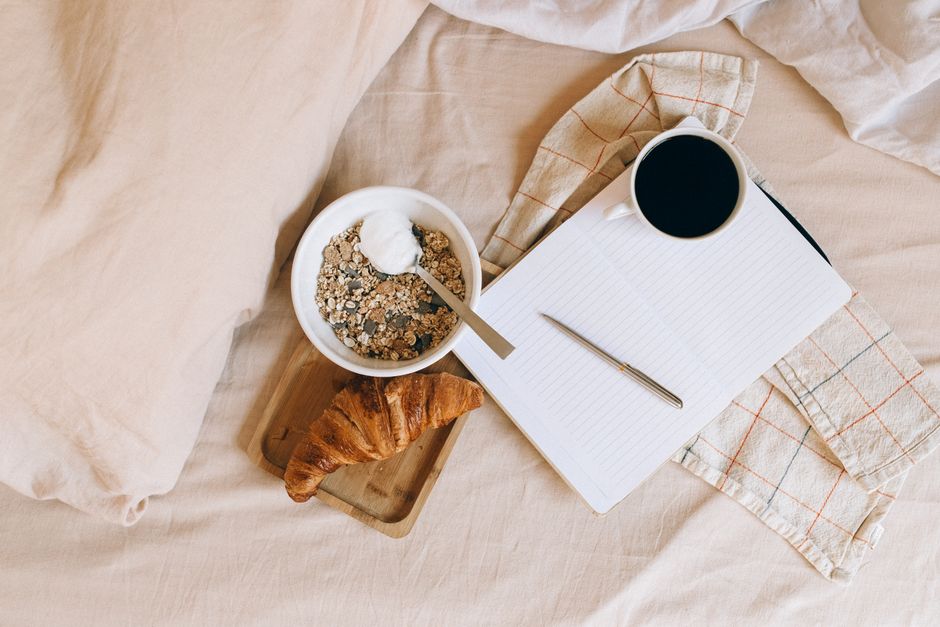
The right breakfast ritual solves a basic problem: it gives your morning a sensory anchor. You hear water boil, smell coffee or tea, sit down, and finish one thing before the day starts making demands. Keep the method simple enough that you will repeat it next weekend.
Do I need special coffee equipment?
No. The Hario V60 Plastic Dripper 02 is the best low-cost starting point for a slow coffee ritual because it brews one to four cups, takes little storage space, and makes the process visible. You can weigh coffee and water if you enjoy precision, but a scoop and a standard mug work fine for a relaxed weekend.
Set out the filter, coffee, mug, and kettle before bed if you want a smoother start. Use a medium grind, wet the paper first, and pour slowly in two or three passes. The useful part is the six-minute pause while the coffee brews, not the fantasy that better gear will fix a chaotic morning.
When is a kettle worth buying?
The Fellow Stagg EKG is worth the space only if you make pour-over coffee or tea often enough to use its 0.9 L capacity and variable temperature control. The narrow spout gives you more control, but it does not make instant coffee taste better. If you want speed and stronger coffee, choose the Bialetti Moka Express 3-Cup instead. Its 130 mL capacity suits one person who likes a concentrated stovetop brew.
Between those products, the Hario V60 02 is the best choice for most slow mornings because it keeps the ritual inexpensive and flexible. Add one practical habit between product decisions: eat something with protein, keep fruit within reach, and wash the mug after breakfast instead of leaving it in the sink. Those habits create more value than upgrading from one brewer to another.
What should I eat?
Choose food that takes less than 15 minutes and does not create a pile of dishes. Greek yogurt with fruit and nuts, eggs on toast, oatmeal with banana, or a prepared breakfast sandwich all work. Make one component feel special: use a small plate, slice the fruit, or add cinnamon. You are designing a pause, not auditioning for a cooking show.
Do not buy a coffee setup, matching mugs, or a breakfast gadget if you already skip breakfast because you wake up late. Fix the wake-up time and the food first. The verdict: buy the Hario V60 02 for a simple ritual, choose the Bialetti Moka Express 3-Cup for speed, and skip both if the habit would become another weekend project.
Which Small Add-Ons Are Worth It?
Buy only the item that removes a real point of friction. Stylish mornings do not need a matching set of objects. They need one or two tools that make the habits easier to repeat.
Use the ten-minute test
| Item | Earns its place when | Skip it when | Verdict |
|---|---|---|---|
| Hario V60 Plastic Dripper 02 | You enjoy a six-minute coffee ritual and brew one to four cups | You need coffee ready before you leave | Best starter coffee tool |
| Fellow Stagg EKG | You make pour-over coffee or tea several times each week | You want a simple kettle for occasional use | Good upgrade, unnecessary for beginners |
| Bialetti Moka Express 3-Cup | You prefer concentrated coffee and a 130 mL serving | You want a large mug of mild coffee | Best for speed and strong coffee |
| Aesop Resurrection Aromatique Hand Balm, 75 mL | Dry hands bother you during the morning | You already own a hand cream you like | Useful small luxury, not a need |
| Nécessaire The Body Lotion, 200 mL | You want one unscented body-care step after a shower | You dislike lotion or already have a reliable moisturizer | Buy for texture, not for routine status |
When not to buy anything
Do not purchase a robe, candle, notebook, kettle, or beauty set just to make the ritual look more intentional. Use what you own for two weekends first. If the same problem appears both times, solve that problem with one item. A new product should save time, improve comfort, or make a repeated action easier. If it only looks good on a shelf, leave it there.
For most readers, the best setup is a phone-free first 30 minutes, one breathable outfit, a simple breakfast, and either a Hario V60 02 or no coffee equipment at all. Keep the routine to 90 minutes, protect the quiet ending, and buy only the tool that earns its place. That is the weekend lifestyle reset worth repeating.
Morning Skincare Routine for Busy Weekdays Under Ten Minutes
Your alarm goes off at 7:05, your first meeting starts at 8:00, and your bathroom counter looks like a small cosmetics store. The fix is not adding another serum. A good morning skincare routine needs three jobs: remove overnight sweat and oil, keep the skin comfortable, and protect it from daylight. You can do all three in under ten minutes when every step has a reason.
What a ten-minute morning skincare routine must accomplish
The routine has three jobs
Morning skincare exists to prepare your face for the next few hours, not to complete every treatment in your cabinet. Cleansing removes sweat, oil, and residue from overnight products. Moisturizing reduces the tight, rough feeling that can make makeup sit badly. Sunscreen protects exposed skin from ultraviolet radiation, which contributes to sunburn, uneven tone, and long-term skin damage.
That basic order also explains why a seven-product routine often wastes time. Extra steps can add pilling, irritation, and waiting. The products do not become more effective just because they take longer to apply.
A realistic weekday schedule
| Step | Time | What to do | Why it stays |
|---|---|---|---|
| Rinse or cleanse | 1 minute | Use lukewarm water and a gentle cleanser when needed | Removes sweat and excess oil |
| Moisturize | 1 minute | Apply a thin layer while skin still feels slightly damp | Reduces dryness and improves comfort |
| Sunscreen | 2 minutes | Cover face, ears, neck, and other exposed areas | Provides daytime UV protection |
| Settle before makeup | 2 minutes | Brush teeth, get dressed, then apply makeup | Reduces rubbing and product pilling |
| Buffer | 4 minutes | Use for hair, clothing, or a second sunscreen layer outdoors | Makes the plan usable on real mornings |
The strongest routine is the one you can repeat on a Monday when you are tired. That means a short sequence with visible priorities beats a complicated shelf full of products.
Which skincare steps should you cut first?
The weekday verdict
Cut toner, face masks, facial oils, exfoliating acids, and most multi-serum layering before you cut sunscreen. Those products can have a place at night or on a slower morning, but they do not belong in a rushed routine by default. A morning routine with cleanser, moisturizer, and broad-spectrum sunscreen gives you a better balance of comfort, protection, and speed than six products applied in a panic.
When water is enough
If your skin feels comfortable, does not look greasy, and you used a gentle night routine, a water rinse may be enough in the morning; if you wake up oily, sweaty, or congested, use cleanser for about thirty seconds and rinse completely. The clear rule is simple: keep any step that solves a morning problem, and remove any step that only makes the routine feel more advanced.
The fastest routine that still protects your skin
Minute one: cleanse only as much as you need
Start with lukewarm water. Hot water can leave dry or sensitive skin feeling tight, while cold water does not provide a special cleansing benefit. Use a small amount of cleanser, massage it across the forehead, nose, cheeks, and jaw for about thirty seconds, then rinse and pat dry. Do not scrub around the nose until the skin squeaks. That sensation often means you removed too much surface oil, not that you cleaned better.
For a normal-to-dry face, CeraVe Hydrating Facial Cleanser costs about $15.99 for 8 ounces and uses ceramides and hyaluronic acid in a non-foaming formula. It is the best practical pick for people who wake up dry or tight. If you have oily skin, choose a light gel or foaming cleanser, but stop if your face feels stripped after rinsing.
Minutes two and three: moisturize with restraint
Apply moisturizer while the face is slightly damp. A pea-sized amount usually covers the face; add a little more for the neck if the formula spreads easily. Thick layers do not create better hydration, and they can make sunscreen roll into small flakes under makeup.
Vanicream Daily Facial Moisturizer costs about $18.04 and combines a light texture with hyaluronic acid and ceramides. It is my pick for sensitive skin that needs comfort without a heavy finish. La Roche-Posay Toleriane Double Repair Face Moisturizer with Niacinamide costs about $25.99 for 3.38 ounces and suits people who want a richer barrier-focused lotion.
Minutes four through six: apply enough sunscreen
Sunscreen is the step that deserves the most care. Choose a broad-spectrum product with SPF 30 or higher, apply it evenly to the face and neck, and leave enough time for it to settle before foundation. A moisturizer with SPF can simplify the routine, but do not treat a thin swipe as a full sunscreen application.
Beauty of Joseon Relief Sun: Rice + Probiotics SPF50+ PA++++ costs about $18 and is the best everyday choice for people who dislike sticky sunscreen or heavy white residue. EltaMD UV Clear Broad-Spectrum SPF 46 costs about $44 and is the stronger pick for acne-prone or rosacea-prone skin when the formula’s lighter feel helps you apply sunscreen consistently. The more expensive product is not automatically better; the best sunscreen is the one you will use in the right amount every morning.
Why rushed routines fail: five mistakes to avoid
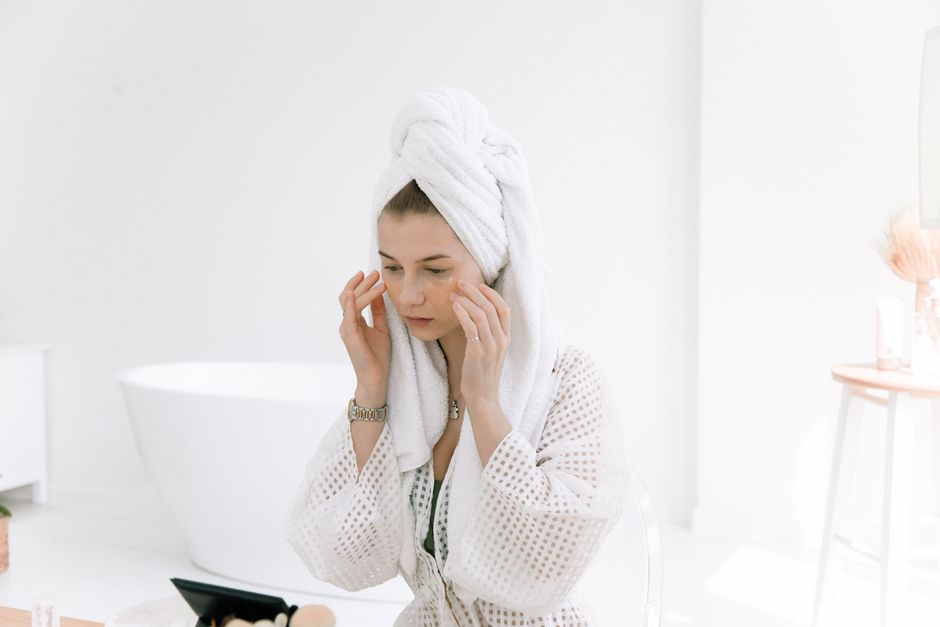
1. Using too many active ingredients
Vitamin C, exfoliating acids, retinoids, and acne treatments can all irritate skin when you stack them without a plan. Keep treatment steps for a routine you can monitor, usually at night, and add one new active at a time.
2. Rubbing products together too quickly
Fast application often creates pilling. Press products into the skin, wait while you brush your teeth or put on clothes, and then continue. Two short pauses work better than aggressive rubbing.
3. Skipping sunscreen because the sky looks gray
Clouds do not turn outdoor exposure into zero exposure. If daylight reaches your face during a commute, walk, drive, or outdoor lunch, sunscreen still belongs in the routine.
4. Treating tightness as proof of cleanliness
A face that feels dry and stretched after cleansing needs a gentler approach, not a stronger cleanser. Reduce water temperature, shorten the massage, and use moisturizer promptly.
5. Buying a product for a problem it cannot solve
An eye serum will not replace sleep, a moisturizer will not erase deep acne scars, and a premium cleanser will not transform skin in thirty seconds. The Ordinary Caffeine Solution 5% + EGCG costs about $8.74 and may temporarily make tired-looking eyes appear less puffy, but it is optional. Do not buy it if your only goal is to finish faster.
Which products earn a place in a weekday routine?

Is a three-product routine enough?
Yes. For most busy mornings, three products are the right ceiling: a cleanser or water rinse, a moisturizer, and sunscreen. CeraVe Hydrating Facial Cleanser is the best cleanser for dry morning skin, Vanicream Daily Facial Moisturizer is the best simple moisturizer for sensitive skin, and Beauty of Joseon Relief Sun SPF50+ is the best value sunscreen for a comfortable daily finish. That combination costs roughly $52 before tax and can last several months, depending on how much you use.
Should oily skin skip moisturizer?
No. Oily skin can still lack water and become uncomfortable after cleansing. Use a smaller amount of lightweight moisturizer, or choose a sunscreen that already feels hydrating. Skipping moisturizer makes sense only when your sunscreen provides enough comfort and your skin stays calm throughout the day. If your face becomes tight by noon, skipping the step failed.
When should you choose the expensive option?
Choose EltaMD UV Clear SPF 46 at about $44 when sunscreen texture, acne concerns, or redness make cheaper formulas difficult to wear consistently. Choose the less expensive Beauty of Joseon formula when you want a comfortable finish at about $18 and do not need the same acne-focused positioning. Choose La Roche-Posay Toleriane Double Repair at about $25.99 when your barrier feels dry or easily irritated. Do not buy a premium serum for a ten-minute routine if the real gap is sunscreen, sleep, or consistent cleansing.
At 7:05, the goal is not to perform a perfect facial. Rinse or cleanse, moisturize if your skin needs it, apply sunscreen carefully, and move on with your morning. A routine that finishes before the first meeting and protects your skin is already doing its job.

Layering Essentials: Build Cozy Fall Outfits From Basics
Cozy fall outfits do not require five bulky sweaters. The real trick is controlling thickness, texture, and warmth in the right order. Start with a close-fitting base, add one insulating layer, then finish with a roomy outer layer that can handle wind or rain. That simple sequence gives you more combinations, fewer overheated moments, and clothes that still look polished indoors.
Why good fall layering starts with less fabric
My verdict: build warmth from thin layers instead of buying one oversized sweater. Layering works because each garment handles a different job. The first layer manages sweat and keeps fabric from rubbing against your skin. The middle layer traps warm air. The outer layer blocks wind, light rain, or cold seats on a morning commute. When one thick piece tries to do all three jobs, it usually feels hot inside, cold outside, or awkward under a coat.
Use the thin-to-thick order
Put the smoothest and thinnest item closest to your body. A fitted long-sleeve shirt or thin turtleneck should sit under a shirt, cardigan, or light sweater. The middle layer can have more texture because it does not need to slide under another sweater. Your final layer needs the most room through the shoulders and upper arms.
Keep the visual weight moving outward. A thin neckline, medium-weight knit, and structured jacket look balanced because each layer is easy to identify. Three pieces with the same thickness create a stiff, crowded shape.
Leave room for movement
Check the armholes before buying. Raise both arms, cross them, and sit down. If the base layer pulls at the shoulders or the outer layer cuts into your armpits, the outfit will feel wrong after ten minutes. Aim for about 1 inch of extra room at the chest in a fitted middle layer and closer to 2 inches in a jacket worn over a sweater.
Choose texture with purpose. Cotton feels familiar but can stay damp after a long walk. Wool adds warmth without much bulk. Smooth synthetic fabric dries faster and works well for active commutes. The best fall wardrobe uses all three instead of treating one fiber as the answer to every weather problem.
How to assemble a warm outfit in five steps

Use this five-step order when you are standing in front of a full closet and still have nothing to wear. It keeps the process practical and makes each piece earn its place.
- Read the forecast. Check the morning and afternoon temperatures, wind, and rain. A 55°F day with strong wind needs a different outfit from a calm 55°F day.
- Pick the base by activity. Choose a close-fitting long sleeve for walking, a breathable cotton tee for a short indoor day, or a thin turtleneck when you want a clean neckline under a cardigan.
- Add one visible middle layer. Use a button-down shirt, cardigan, vest, or lightweight sweater. Let one hem, cuff, or collar show. Too many visible edges make the outfit look accidental.
- Choose the outer layer by exposure. A denim jacket works for dry weather. A wool coat handles cold air better. A water-resistant shell wins when rain matters more than structure.
- Finish with one grounding item. Straight-leg jeans, a long skirt, or trousers give the upper layers a clear base. Add socks and shoes that match the weight of the clothes above them.
Before leaving, remove one item and look in the mirror. If the outfit still feels warm enough, it probably has better proportions. The goal is not maximum clothing. It is the smallest set of layers that keeps you comfortable through the entire day.
A simple temperature map
| Outdoor condition | Base | Middle | Outer layer |
|---|---|---|---|
| 60–65°F, dry | T-shirt or thin long sleeve | Open shirt or light cardigan | Optional denim jacket |
| 50–59°F, breezy | Fitted long sleeve | Merino sweater or cardigan | Trench or lined jacket |
| 40–49°F, cold | Thermal or fine-knit base | Wool sweater | Wool coat or insulated jacket |
Use the map as a starting point, then adjust for how much you walk and how warm your home or office runs. Indoor heating is why removable middle layers matter.
What makes a layered outfit look bulky?
The fastest fix for a bulky fall outfit is to reduce overlap at the waist and shoulders. Most bad layering comes from poor proportions, not from wearing too many clothes. A long shirt under a cropped sweater can bunch at the waist, while a tight jacket over a thick knit makes the shoulders look square. Keep one area relaxed and the other controlled: a loose jacket over a slim base, or a fitted jacket over a thin sweater.
Should every layer be the same length?
No. Matching hems can make the outfit look stiff. A small difference of 1 to 3 inches gives the eye a clear order. Let a shirt hem peek below a sweater, or keep the base hidden and show only the collar and cuffs. Avoid five separate hems ending at different points across the hips; that creates visual noise.
How do you stop sleeves from bunching?
Choose a base with smooth sleeves and a close cuff. Push the base sleeve slightly above the wrist before adding the middle layer, then pull it back into place. If the sleeve still gathers, the garment is too loose for that combination. A thin knit sleeve usually layers more cleanly than a ribbed or heavily textured one.
When should you skip a layering piece?
Skip the cardigan if the jacket already has insulation and you will spend most of the day indoors. Skip a scarf when the neckline is already high and the coat collar sits close to your face. Skip a long overshirt under a short jacket if the hem creates a sharp horizontal line at the widest part of your hips. Removing one piece often improves both comfort and shape.
Fit matters more than color matching. Neutral colors make mixing easier, but a well-fitted rust sweater with dark navy trousers looks better than a beige outfit built from pieces that pinch, pull, or collapse.
Which layering essentials are worth buying first?

Buy the base layer first, then the middle layer, then shoes or outerwear. That order gives you the most outfits from the smallest budget. Prices below are listed in U.S. dollars and were checked in October 2026; sales and stock can change.
| Piece | Current price | Useful detail | Verdict |
|---|---|---|---|
| UNIQLO HEATTECH T-Shirt | $19.90 | Lightweight, moisture-wicking base for cool commutes | Best first purchase for a small budget |
| UNIQLO Women’s Merino Sweater | $49.90 | Fine merino knit that fits under a jacket | Best everyday middle layer |
| Madewell Merino Wool Collared Cardigan | $138 list price | 100% merino wool with a shirt-like collar | Best for smart-casual outfits |
| Levi’s 501 Original Jeans | $110 | Straight fit and rigid denim structure | Best grounding piece for relaxed layers |
| Dr. Martens 1460 Smooth Leather Boots | $180 | Eight-eye lace-up boot with a sturdy sole | Best for adding weight to soft upper layers |
The strongest starter combination is the UNIQLO HEATTECH base, UNIQLO merino sweater, Levi’s 501 jeans, and a shoe you already own. Add the Dr. Martens 1460 only if you regularly wear ankle boots and want a durable, high-contrast finish. Buy the Madewell cardigan when your wardrobe needs a polished layer for offices, dinners, or travel.
Do not buy all five pieces at once. First check your closet for gaps in weight and length. If you already own several thick sweaters, a thin base will create more outfits than another sweater.
Which fall layers should you skip?
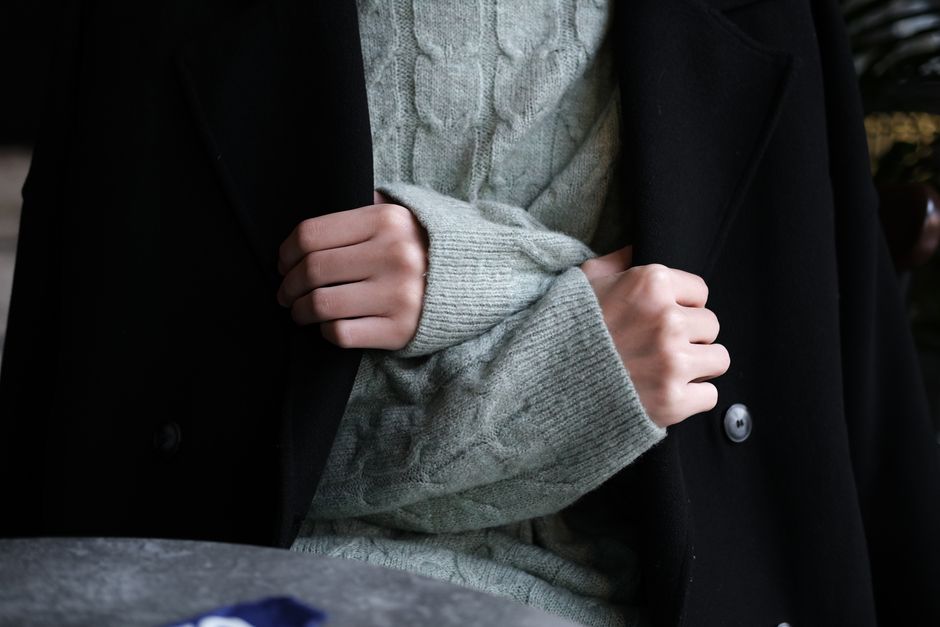
Skip any piece that solves a problem your wardrobe does not have. A trendy oversized shacket is not a smart buy if your jackets already feel tight over sweaters. A chunky turtleneck is the wrong choice if you commute by train and spend most of the day in overheated rooms. A cream sweater may look beautiful, but it needs more care than a darker color and shows makeup, coffee, and rain marks quickly.
Should you buy merino or synthetic fabric?
Choose merino when you want temperature control, low bulk, and a layer that can look polished. Choose synthetic fabric when you sweat heavily, wash clothes often, or need faster drying. Merino costs more and usually needs gentler care. Synthetic fabric handles active use better but can hold odors and may look less refined. For most wardrobes, one of each is a better plan than buying several versions of one fabric.
When should you skip the Levi’s 501?
Skip the Levi’s 501 Original Jeans if you dislike rigid denim or need stretch for long sitting days. The straight shape gives layered outfits a strong base, but the no-stretch feel is not comfortable for everyone. Choose a stretch straight jean or relaxed trouser instead if you need more movement. A pair of jeans is only useful when you will actually wear it through a full day.
When are Dr. Martens 1460 boots the wrong choice?
Skip the Dr. Martens 1460 if you need a light shoe, have no time to break in stiff leather, or walk long distances on hard pavement every day. Their visual weight works best with denim, longer skirts, and substantial outerwear. For a softer outfit, choose a lighter leather ankle boot or sneaker. The best shoe should support the outfit’s proportions without making your feet pay for the styling.
Fall dressing keeps moving toward flexible wardrobes: fewer pieces, more combinations, and fabrics that work across indoor and outdoor temperatures. Once the base, middle, and outer layers each have a clear job, new seasonal trends become optional details instead of expensive emergencies.

Autumn Makeup Looks That Feel Polished Without Heavy Products
Rare Beauty says its Soft Pinch Liquid Blush sells once every four seconds, which tells you something about autumn makeup: people want visible colour without a full face. I have spent years testing that balance, and the polished version is not built from more foundation. It comes from thin layers, controlled warmth, and colour placed where the face naturally changes tone.
This guide is for anyone who wants an autumn makeup look that survives dry air, indoor heating, office lighting, and dinner plans without feeling thick. I will cover the technique first, then the products that earn their price. Prices are typical US list prices checked for 2026 and can change.
How to Build a Light Base That Still Looks Finished

A light base works when you control placement and give each layer time to settle. Rushing is what makes sheer products look uneven. I use the following order for weekday mornings and event makeup alike.
The five-minute order
- Apply moisturiser to the cheeks, around the mouth, and under the eyes. Use less on the forehead and nose.
- Wait three to five minutes so the skincare stops feeling wet.
- Press a thin skin tint or tinted moisturiser over the centre of the face, then feather the remaining product toward the jaw.
- Use a pinhead-sized amount of concealer only on visible redness or shadows.
- Tap cream blush high on the cheek, starting farther back than you think. Blend toward the apples instead of placing a bright patch directly on them.
- Set only the sides of the nose, the centre of the forehead, and the crease beneath the eyes. Leave the cheekbones fresh.
The order matters because cream colour grips better on a lightly set base than on wet skincare. It also keeps powder from swallowing the glow you worked to create.
The boundary test
Check the jawline, hairline, and sides of the nose in daylight. These are the places that reveal a shade mismatch or a product edge. A good light base should fade into the skin within an inch of the face. If you can see a stripe, use a clean damp sponge or warm fingertips to press the edge away.
Do not judge the result in a magnifying mirror. Makeup is seen at normal conversation distance, under changing light. I check the face from about two feet away, then take one phone photo near a window. If the skin still looks even and the cheeks still have shape, stop there.
Which Lightweight Products Actually Earn a Place?
The table below is my short list for autumn makeup looks that need polish without a heavy finish. I favour products that solve one clear problem: evening tone, adding believable warmth, or giving the lips enough colour to anchor the face.
Quick comparison
| Product | Typical US price | Finish and detail | Best use |
|---|---|---|---|
| ILIA Super Serum Skin Tint SPF 40 | $48 | 1 oz, SPF 40, light buildable coverage | Dry or normal skin that wants a dewy base |
| Saie Slip Tint SPF 35 | $36 | 1.35 oz, mineral SPF, sheer radiant finish | Very light coverage and a fresh daytime look |
| Rare Beauty Soft Pinch Liquid Blush | $25 | One-dot pigment, dewy or matte shades, up to 12 hours | High-impact cheek colour with minimal product |
| MERIT Flush Balm | $30 | Sheer cream cheek colour with a skin-like finish | Beginners who want forgiving, soft blush |
| Victoria Beckham Beauty Posh Lip | $38 | Creamy satin lipstick in a slim bullet | A refined berry, rose, or brown-red lip |
My product verdicts
For dry skin, the ILIA Super Serum Skin Tint SPF 40 is the strongest base pick because the 1 oz formula gives light coverage while keeping a luminous finish. I would skip it on very oily skin unless you are happy to powder the centre of the face. Saie Slip Tint is the better choice for someone who wants the least noticeable coverage, but its SPF should not replace a properly applied sunscreen layer.
For cheeks, Rare Beauty Soft Pinch Liquid Blush wins on value and staying power, but it punishes a heavy hand. Start with less than one dot for both cheeks. MERIT Flush Balm is the safer buy for beginners because the colour builds slowly. For an evening look, Victoria Beckham Beauty Posh Lip gives the face a finished edge without requiring a dark eye.
Which Autumn Shades Look Expensive Instead of Loud?
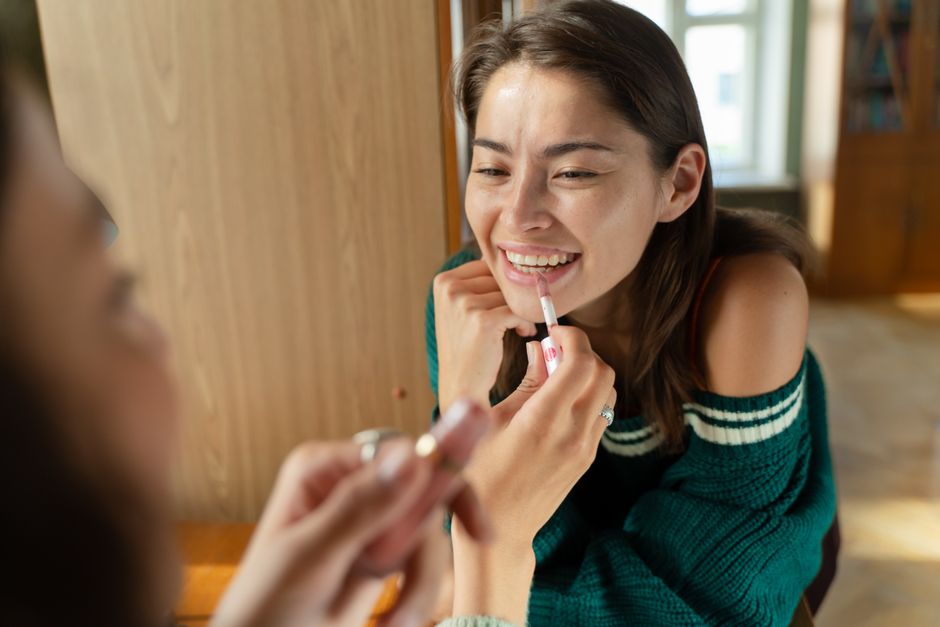
Autumn colour does not mean orange, copper, and deep brown on every feature. The most wearable looks use one warm shade, one muted shade, and plenty of skin showing around them. That restraint makes the makeup look intentional.
Which colours work across skin tones?
Muted rose, cinnamon pink, soft terracotta, toasted peach, and sheer berry are the most useful autumn families. On fair skin, dusty rose and soft brick usually look more natural than strong orange. On medium skin, cinnamon, terracotta, and warm plum create depth without turning grey. On deep skin, rich berry, burnt sienna, and raisin bring the same autumn feeling with enough saturation to remain visible.
Undertone matters more than the label “autumn.” A cool mauve can look elegant on cool or neutral skin, while a yellow-orange blush may turn sallow. Test colour on the cheek, not the wrist. The cheek has more surface redness and gives a better idea of how the shade will sit in the full look.
How much warmth is enough?
Choose one place for obvious warmth. If the cheeks are terracotta, keep the eyes in a quiet taupe or soft brown. If the eyelids carry copper, use a rose or neutral blush. If the lip is berry, leave the cheeks sheer. This one-feature rule prevents the muddy effect that comes from stacking several warm products in the same area.
For a polished result, place blush slightly higher and farther back than the fullest part of the cheek. Add a small amount toward the nose only after the outer edge looks blended. That creates shape without the round, overheated look that can make light makeup seem less refined.
Where I Would Spend the Money—and Where I Wouldn’t
My opinion: spend on the product that controls the face’s colour, not on a thicker base. A good blush or lip shade can make a five-minute routine look deliberate. A luxury foundation rarely fixes poor placement, dry skin, or a colour that clashes with your undertone.
My short list
- Best base for dry skin: ILIA Super Serum Skin Tint SPF 40 at $48. Buy it for a luminous finish and light coverage, not for a full foundation effect.
- Best low-cost impact: Rare Beauty Soft Pinch Liquid Blush at $25. Pick a muted rose or berry shade and use less than one dot per cheek.
- Best forgiving cream blush: MERIT Flush Balm at $30. Choose this if you prefer a soft wash that you can blend with your fingers.
- Best subtle lip upgrade: Victoria Beckham Beauty Posh Lip at $38. It is the splurge I would choose for dinners, work events, and photos because a satin lip adds structure without looking painted.
I would not buy all four at once. Start with the category that causes the biggest problem in your current routine. If your complexion already looks even, buy blush. If your cheeks look healthy but the face feels unfinished, buy a lip colour. If dry patches make every powder product look rough, fix the base and skip another palette.
When to skip the expensive option
Do not buy a premium skin tint just because the bottle looks elegant. If you need strong acne coverage, a sheer tint will frustrate you; buy a reliable medium-coverage foundation and spot conceal instead. If you rarely wear makeup, a $25 blush with a shade you will use twice a week is a better purchase than a $48 complexion product that expires half full. If you have very oily skin, a radiant tint may need more powder than you enjoy, so a satin formula can give a cleaner result for less work.
Why Light Makeup Fails—and How to Fix It

Most failed lightweight looks do not fail because the products are bad. They fail because the routine asks a sheer formula to do a full-coverage job, or because too many creamy textures meet on wet skin.
Why the base turns patchy
Applying tint over damp moisturiser is the common culprit. The tint slides instead of gripping, then gathers around the nose and mouth. Give skincare a few minutes to settle, use less product, and press rather than rub. If the face still looks uneven, remove the tint from one small area and use concealer there instead of adding another layer everywhere.
Why colour turns muddy
Warm bronzer, orange blush, copper shadow, and brown lipstick can merge into one flat block. Keep one feature warm and make the others quieter. Also check the colour in natural light. Indoor yellow bulbs make a shade look softer than it will appear outside.
The last mirror check
Before leaving, inspect the face from normal distance and ask three questions: can I still see skin, is one feature carrying the colour, and does the cheek fade smoothly into the jaw? If the answer is yes to all three, stop adding product. The most polished autumn makeup look is built from controlled contrast, not maximum coverage.