
Weekend Lifestyle Reset: Slow Morning Habits That Feel Stylish
The best weekend lifestyle reset is a 90-minute morning with fewer decisions, not a packed schedule of self-improvement tasks. Get out of bed, keep your phone away, wash your face, put on real clothes, eat something warm, and leave one quiet block for doing nothing useful. That is enough to make the weekend feel different.
How to Build a 90-Minute Weekend Reset Schedule
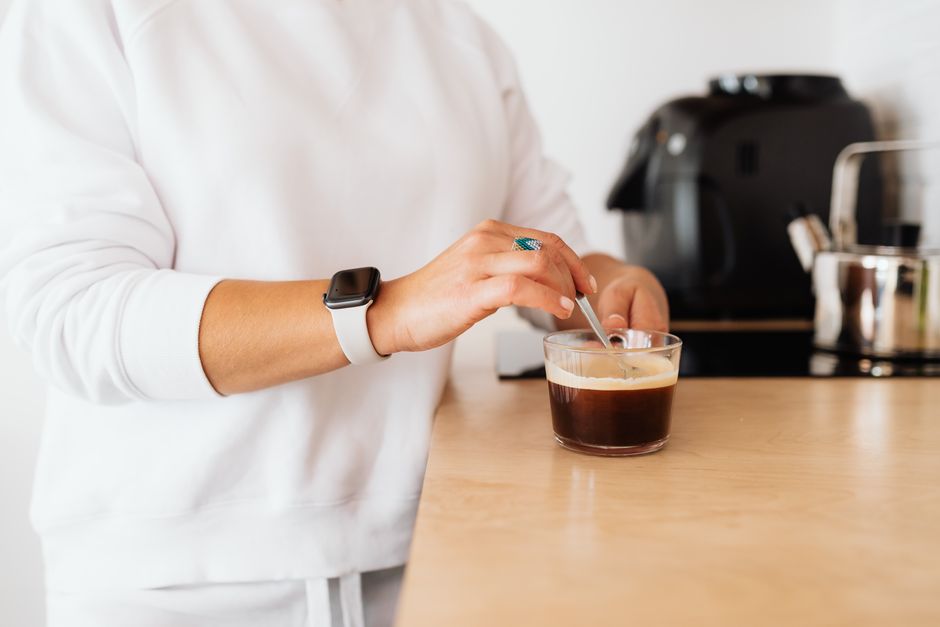
The most useful schedule has a firm start and a soft finish. Give each action a time limit, then stop trying to optimize the morning. This table is the whole structure. You do not need a seven-step planner, a new app, or a color-coded routine.
A schedule that leaves room to breathe
| Time | Action | Purpose |
|---|---|---|
| 0:00-0:05 | Open curtains, make the bed, drink water | Move from sleep into daylight and motion |
| 0:05-0:20 | Wash, shower, or complete a basic skincare routine | Feel physically ready before checking screens |
| 0:20-0:30 | Get dressed in a simple outfit | Replace bed clothes with a clear day signal |
| 0:30-0:50 | Make and eat breakfast at a table | Give the morning one undivided activity |
| 0:50-1:10 | Walk outside, stretch, or sit near a window | Add light movement without turning it into training |
| 1:10-1:30 | Read, journal, tidy one surface, or do nothing | End with choice instead of another demand |
The rule that keeps it calm
Do not fill the final 20 minutes before you start. That open space matters. If the schedule says you can read, stretch, or do nothing, you have a chance to notice what you actually want. That is the point of a reset.
Keep the phone outside the room until breakfast is finished. If you need an alarm, use a basic clock or place the phone across the room on airplane mode. The first exception is usually the habit that breaks the whole morning.
Also, do not punish yourself for sleeping late. Start the sequence when you wake up. A 60-minute reset at 10:30 a.m. is still better than a forced 7:00 a.m. routine that leaves you irritated. The verdict: use time blocks as guardrails, not as a performance score.
What to Wear for a Stylish Slow Morning
Wear one real outfit formula instead of building a costume around the idea of a slow morning. Style feels effortless when the choices are limited. A relaxed shirt, clean trousers, and one deliberate accessory will always look better than expensive loungewear mixed with whatever was closest to the bed.
Choose a uniform, not a pile of soft clothes
Start with one breathable base. A Uniqlo Premium Linen Shirt works because the 100% linen fabric looks finished while still feeling easy enough for coffee, a walk, or a grocery run. Pair it with straight-leg jeans, cotton trousers, or tailored shorts. The shirt does the visible work, so the rest can stay quiet.
Use three simple style rules: keep the color palette to two or three shades, choose one relaxed shape instead of oversized everything, and finish with one piece of jewelry, a watch, or a structured tote. Roll the sleeves once. Tuck only the front. Small adjustments create shape without making the outfit fussy.
Keep grooming to three moves
Do not turn the morning into a beauty appointment. Wash your face, apply moisturizer or sunscreen if you are going outside, and fix your hair enough that you feel presentable. A tinted lip balm can replace a full makeup routine when you want color without a face of makeup.
If dry hands make the outfit feel less polished, Aesop Resurrection Aromatique Hand Balm in the 75 mL tube is a practical desk or bedside option. Apply a small amount, rub it into the nails and knuckles, and stop there. Then use two generic upgrades: clean your shoes and steam or hang the shirt before you put it on. Those details cost nothing and usually matter more than another beauty product.
Skip the full styling routine if you are staying home all day. The goal is not to look ready for a photograph. It is to give your body a clear signal that the morning has begun. The verdict: one linen shirt, one clean bottom, and one finishing detail create the strongest low-effort formula.
How to Make Breakfast Feel Like a Ritual

The right breakfast ritual solves a basic problem: it gives your morning a sensory anchor. You hear water boil, smell coffee or tea, sit down, and finish one thing before the day starts making demands. Keep the method simple enough that you will repeat it next weekend.
Do I need special coffee equipment?
No. The Hario V60 Plastic Dripper 02 is the best low-cost starting point for a slow coffee ritual because it brews one to four cups, takes little storage space, and makes the process visible. You can weigh coffee and water if you enjoy precision, but a scoop and a standard mug work fine for a relaxed weekend.
Set out the filter, coffee, mug, and kettle before bed if you want a smoother start. Use a medium grind, wet the paper first, and pour slowly in two or three passes. The useful part is the six-minute pause while the coffee brews, not the fantasy that better gear will fix a chaotic morning.
When is a kettle worth buying?
The Fellow Stagg EKG is worth the space only if you make pour-over coffee or tea often enough to use its 0.9 L capacity and variable temperature control. The narrow spout gives you more control, but it does not make instant coffee taste better. If you want speed and stronger coffee, choose the Bialetti Moka Express 3-Cup instead. Its 130 mL capacity suits one person who likes a concentrated stovetop brew.
Between those products, the Hario V60 02 is the best choice for most slow mornings because it keeps the ritual inexpensive and flexible. Add one practical habit between product decisions: eat something with protein, keep fruit within reach, and wash the mug after breakfast instead of leaving it in the sink. Those habits create more value than upgrading from one brewer to another.
What should I eat?
Choose food that takes less than 15 minutes and does not create a pile of dishes. Greek yogurt with fruit and nuts, eggs on toast, oatmeal with banana, or a prepared breakfast sandwich all work. Make one component feel special: use a small plate, slice the fruit, or add cinnamon. You are designing a pause, not auditioning for a cooking show.
Do not buy a coffee setup, matching mugs, or a breakfast gadget if you already skip breakfast because you wake up late. Fix the wake-up time and the food first. The verdict: buy the Hario V60 02 for a simple ritual, choose the Bialetti Moka Express 3-Cup for speed, and skip both if the habit would become another weekend project.
Which Small Add-Ons Are Worth It?
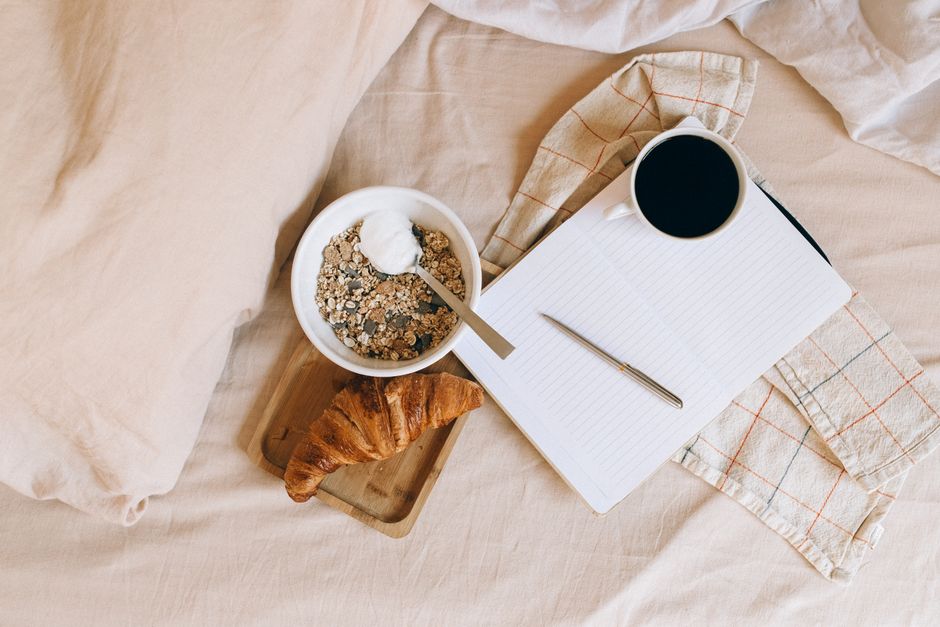
Buy only the item that removes a real point of friction. Stylish mornings do not need a matching set of objects. They need one or two tools that make the habits easier to repeat.
Use the ten-minute test
| Item | Earns its place when | Skip it when | Verdict |
|---|---|---|---|
| Hario V60 Plastic Dripper 02 | You enjoy a six-minute coffee ritual and brew one to four cups | You need coffee ready before you leave | Best starter coffee tool |
| Fellow Stagg EKG | You make pour-over coffee or tea several times each week | You want a simple kettle for occasional use | Good upgrade, unnecessary for beginners |
| Bialetti Moka Express 3-Cup | You prefer concentrated coffee and a 130 mL serving | You want a large mug of mild coffee | Best for speed and strong coffee |
| Aesop Resurrection Aromatique Hand Balm, 75 mL | Dry hands bother you during the morning | You already own a hand cream you like | Useful small luxury, not a need |
| Nécessaire The Body Lotion, 200 mL | You want one unscented body-care step after a shower | You dislike lotion or already have a reliable moisturizer | Buy for texture, not for routine status |
When not to buy anything
Do not purchase a robe, candle, notebook, kettle, or beauty set just to make the ritual look more intentional. Use what you own for two weekends first. If the same problem appears both times, solve that problem with one item. A new product should save time, improve comfort, or make a repeated action easier. If it only looks good on a shelf, leave it there.
For most readers, the best setup is a phone-free first 30 minutes, one breathable outfit, a simple breakfast, and either a Hario V60 02 or no coffee equipment at all. Keep the routine to 90 minutes, protect the quiet ending, and buy only the tool that earns its place. That is the weekend lifestyle reset worth repeating.

Why finding a decent dress in Bangalore is actually a nightmare
I’m going to be blunt. Most of the ‘best dresses in bangalore’ lists you find online are written by people who haven’t stepped foot outside an air-conditioned office in Whitefield for three years. They’ll point you toward the same three malls and call it a day. But if you actually live here—if you’ve dealt with the 5 PM Silk Board crawl or the sudden downpours that turn Brigade Road into a river—you know that finding a dress that doesn’t make you look like a corporate drone or a ‘boho’ stereotype is incredibly hard.
I’ve lived here for eight years. I work a standard job, I have a mortgage, and I spend way too much time thinking about why every dress in this city is either a 5,000-rupee linen sack or a polyester sweat-trap from a fast-fashion giant. I’ve wasted a lot of money. I’ve had seams rip in the middle of a meeting at a WeWork. I have thoughts.
The Commercial Street trap (and how I fell for it)
Everyone tells newcomers to go to Commercial Street. It’s a rite of passage, right? Back in 2017, I spent an entire Saturday there trying to find a simple cotton dress for a friend’s housewarming. It was 32 degrees, which is ‘Bangalore hot’ (which means we all act like it’s the Sahara). I found this beautiful indigo-printed midi dress in one of those tiny lanes off the main road. I felt like a genius. I paid 800 rupees. I thought I’d beaten the system.
I wore it once. I washed it once. It shrank so much it became a shirt. A very poorly shaped, itchy shirt. What I mean is—actually, let me put it differently: the fabric didn’t just shrink; it distorted. The left side was suddenly two inches shorter than the right. I looked like I’d been through a blender.
Shopping in Commercial Street is like trying to solve a Rubik’s cube while someone throws hot chai at you. It’s exhilarating until you realize you’ve been scammed by a nice-looking print.
I know people will disagree with me on this—I have friends who swear by the hidden boutiques there—but I’ve officially given up on the ‘bargain’ hunt in Comm Street. The quality control is non-existent. Unless you have the patience of a saint and the eye of a textile engineer, you’re just buying disposable clothing. I’m too old for that. I want clothes that last more than three rinse cycles.
The ‘Indiranagar Premium’ is a total scam

Then you have the other extreme: the boutiques in Indiranagar. You know the ones. They have minimal signage, concrete floors, and one single dress hanging on a brass rack in the window. The lighting is designed to make you feel like a goddess, and the price tag is designed to make you feel like you need a second job.
I once walked into a shop on 10th Main—I won’t name it, but it rhymes with ‘The Shop’ (okay, it *is* The Shop, though they have some okay stuff sometimes)—and tried on a dress that was basically a glorified bedsheet. 6,500 rupees. For unlined cotton. I asked the sales assistant why it was so expensive and she just said, ‘It’s artisanal.’
Artisanal my foot. I’ve tested this. I bought a ‘designer’ cotton dress from an Indiranagar boutique and a similar one from a mid-range brand like Fabindia. I tracked the wear over 12 months. The designer one lost its shape after 10 washes. The mid-range one? Still going strong after 24. I’m not saying expensive is always bad, but in Bangalore, we have this weird habit of overpaying for ‘vibes’ rather than construction.
I refuse to shop at those ultra-curated multi-designer stores anymore. They’re soul-sucking. You walk in and the staff looks at your shoes to decide if you’re worth talking to. Life is too short for that kind of insecurity.
Where I actually buy my stuff now
I might be wrong about this, but I think the sweet spot for dresses in this city is actually in the older, less ‘cool’ neighborhoods. Or, weirdly enough, specific high-street brands that everyone else loves to hate. Here is my very biased, very personal list of where to get the best dresses in Bangalore:
- Jayanagar 4th Block: Not the fancy stores, but the smaller, established boutiques like Tamanna or even the random ones near the complex. You have to dig, but the quality of the cotton is usually better because their customer base consists of aunties who will literally burn the shop down if the color runs.
- Westside (specifically the Bombay Paisley line): I know, I know. It’s a mall brand. But for 1,500 to 2,500 rupees, their dresses actually survive the Bangalore dust. I have three that are four years old. Total workhorses.
- Soma in Ulsoor: It’s tucked away and quiet. The prints are classic, the cuts are generous (thank god), and the fabric doesn’t feel like a cheap hotel curtain.
Anyway, I went on a bit of a rant there about aunties. But I digress. The point is, reputation in old Bangalore neighborhoods actually means something. In Indiranagar, a shop can close and be replaced by a sourdough pizza place in six months. In Jayanagar, these shops have been there for decades. They can’t afford to sell you trash.
The humidity lie and the fabric truth
We all talk about how ‘pleasant’ the weather is here. It’s a lie we tell people in Delhi to make them jealous. The reality is that Bangalore is humid enough to make polyester feel like you’re wearing a plastic bag. I used to think I could pull off those cute Zara floral dresses. I was completely wrong.
I once wore a 100% polyester wrap dress to a brunch at Lavelle Road. By the time the appetizers arrived, I was literally dripping. It was humiliating. I had to keep my arms pinned to my sides like a penguin just to hide the sweat patches. Never again.
Now, I have a strict ‘no poly’ rule for daytime dresses. If it’s not at least 80% natural fiber, I don’t touch it. I don’t care how cute the print is. If you’re looking for the best dresses in Bangalore, start by reading the tiny white tag inside. If it says ‘Polyester,’ put it back. Your skin will thank you when you’re stuck in traffic for 40 minutes in a non-AC Uber.
Also—and this is my genuinely uncomfortable take—I think linen is overrated for Bangalore. Yes, it breathes. But it also wrinkles the second you sit down. You start your day looking like a chic architect and end it looking like a crumpled piece of loose-leaf paper. I’ve moved almost exclusively to cotton-silk blends. They have the structure of cotton but don’t look like you slept in them by noon.
The verdict on ‘Best’
I don’t have a neat list of ten shops for you. I think that’s fake. Shopping for a dress here is a process of elimination. It’s about realizing that the ‘Gram-famous’ brands are usually disappointing and that the best finds are often in the shops your mom would like.
I’ve stopped trying to look like a fashion influencer. I just want to be able to walk from Church Street to MG Road without my hem unravelling or my skin breaking out.
Go to Ulsoor. Check out the smaller blocks in Jayanagar. Avoid Zara on Brigade Road (the lighting in those changing rooms is an act of violence).
Is it possible to find a perfect dress in this city? Maybe. I’m still looking for one that fits my shoulders properly without being baggy at the waist. If you find it, let me know. I’ll probably be at the bar in Pecos, wearing a five-year-old cotton shift and complaining about the traffic.
Stick to cotton. Trust the aunties.