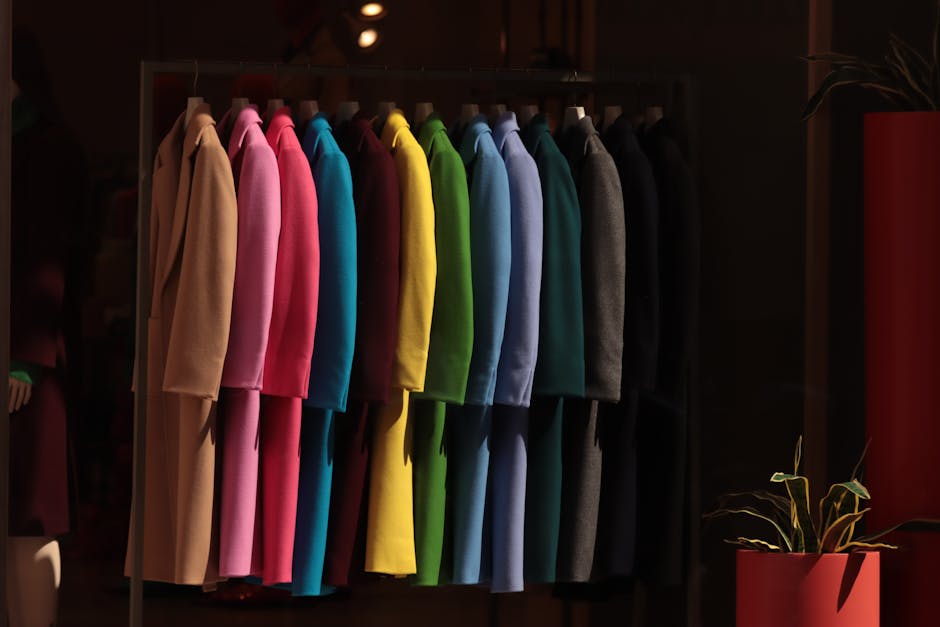
Cheap Fashion Brands in Japan That Are Actually Worth Buying
Japan has an entire tier of affordable fashion that most people outside the country never encounter. GU sells jeans for ¥1,990. Shimamura stocks basics cheaper than Primark. WEGO runs entire coordinated outfits under ¥5,000. The quality gap between these brands varies significantly — knowing which ones to trust changes what you spend and what you bring home.
Why Japan’s Budget Fashion Exists in a Different Category
The domestic retail market in Japan is unusually competitive, even by global standards. Walk down a major shopping street in Shibuya or Osaka’s Shinsaibashi and you’ll pass more clothing stores per block than most cities have per neighborhood. That density creates intense pressure on budget brands to maintain a quality floor. A store that disappoints a customer once loses them permanently to the three competitors next door.
This is not how fast fashion operates in the West. Western budget brands run primarily through online channels, where a disappointed customer may return months later with the negative experience faded. Japanese budget brands live in physical retail environments with immediate comparison shopping available steps away. The result is a baseline construction quality that holds up better than the price suggests.
Many of the brands in this category have operated for decades — some dating back to the 1950s, others to the 1980s and 1990s. These aren’t pop-up brands built on social media virality. They carry long domestic market histories behind their product decisions, and their quality floors reflect accumulated feedback from millions of repeat customers over years.
There’s also an aesthetic discipline embedded in the category. Minimalism, clean silhouettes, and tonal restraint dominate Japanese casual fashion at every price point. A ¥990 basic tee from a Japanese budget brand tends to photograph more intentionally than equivalents from Western fast fashion at similar prices — not because of superior materials, but because the shoulder fit is trimmer and the fabric drapes without pulling. That’s an aesthetic output of manufacturing standards shaped by a demanding domestic market.
Sizing, however, is consistently challenging. Japanese brands run small compared to Western equivalents, and the gap varies by brand and cut. If this is your first time shopping in the category, size up by at least one, and never skip trying things on in-store.
Japan’s Cheap Fashion Brands, Side by Side
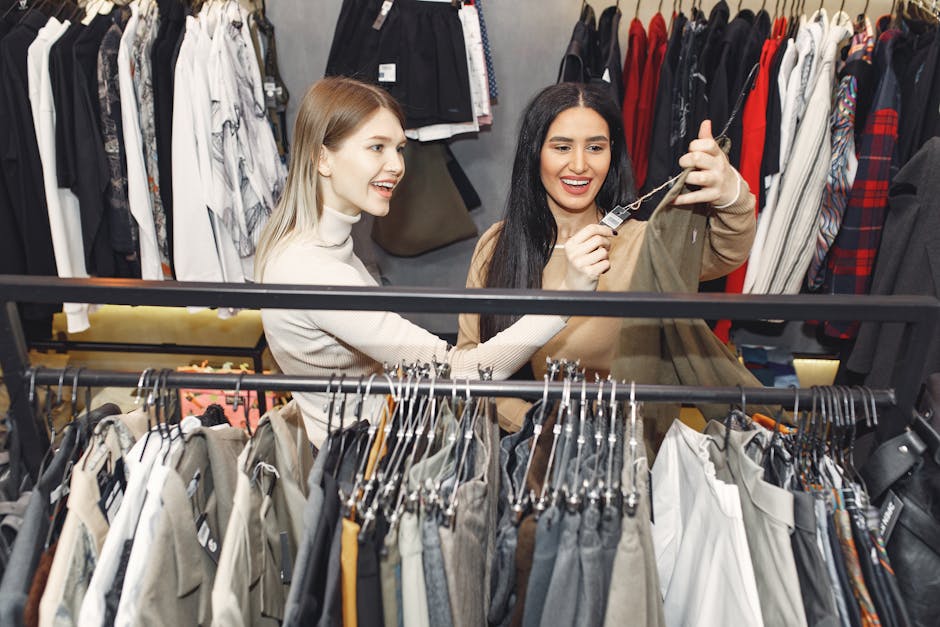
These seven brands cover the full affordable range of Japanese fashion — from utility basics at near-cost pricing to fabric-forward pieces with genuine design intention. Prices are in yen with USD equivalents at approximately ¥150 to $1.
| Brand | Price Range | Style Profile | Best For | Ships Internationally |
|---|---|---|---|---|
| GU | ¥490–¥3,990 ($3–$27) | Minimalist basics, trend-adjacent | Most shoppers — broadest wardrobe fit | Limited Asian markets |
| Shimamura | ¥300–¥2,000 ($2–$13) | Functional staples, innerwear | Pure utility buying only | No |
| WEGO | ¥990–¥4,500 ($7–$30) | Y2K, streetwear, Harajuku-adjacent | Teens and young adults with a defined aesthetic | Yes (dedicated international site) |
| LOWRYS FARM | ¥1,500–¥6,000 ($10–$40) | Relaxed feminine, earth tones, natural fabrics | Women in their 20s–30s seeking casual elegance | Limited |
| earth music & ecology | ¥1,500–¥7,000 ($10–$47) | Cottagecore, cotton/linen, soft natural tones | Minimalist buyers who prioritize fabric quality | Yes (Rakuten Global Market) |
| Honeys | ¥990–¥3,990 ($7–$27) | Feminine, polished, office-casual | Budget workwear for women | Limited |
| SPINNS | ¥1,000–¥5,000 ($7–$33) | Vintage-influenced, subculture styling | Harajuku and second-hand aesthetic buyers | No |
GU is the safest starting point for anyone new to this category. Shimamura is a different proposition entirely — think of it as a utility store that happens to sell clothing, not a fashion brand. WEGO occupies a very specific aesthetic lane that either fits your style completely or misses entirely.
Why Harajuku Shopping Misleads Most Visitors
Harajuku is one of the most photographed shopping districts in the world. It’s also one of the worst places to form accurate expectations about what Japanese fashion costs.
The boutiques along Takeshita Street and the surrounding blocks cater to niche subcultures, collectors, and imported pieces. Prices reflect scarcity and aesthetic specificity, not Japan’s retail average. Spending ¥8,000 on a vintage-influenced jacket in Harajuku tells you nothing about what that style costs fifteen minutes away by train.
Japan’s mainstream budget fashion lives in standalone stores on commercial streets, large suburban shopping malls, and mid-size fashion buildings in major commuter areas. These locations stock the brands at the prices that most Japanese people actually pay. If your only Japan fashion reference is Harajuku, you’ve seen a curated exception. The real market is quieter, cheaper, and far more consistent.
Five Mistakes That Cost Budget Shoppers Money in Japan
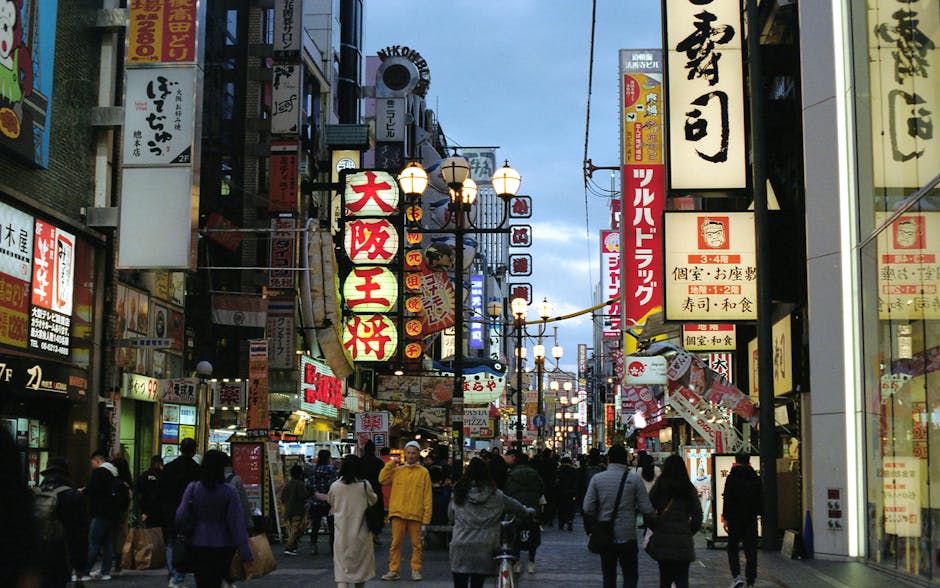
These patterns repeat constantly among first-time visitors to Japan’s budget fashion scene.
- Building price expectations from specialty districts. Harajuku boutiques and similar areas cater to niche aesthetics and tourists. Prices there don’t represent what the same style costs in mainstream retail. Before assuming something is expensive or cheap, compare across both environments — the gap can be 3x or more.
- Ignoring sizing before buying. Japanese sizing runs small, and the gap varies by brand and cut. GU offers expanded sizing in some stores; Shimamura does not. LOWRYS FARM’s L can correspond to a Western M or even S on many cuts. In-store, try everything on. Online, default to one size up and adjust from there.
- Buying trend pieces from the cheapest brands. Budget brands cycle seasonal trends faster than Western chains. A trend piece that looks sharp in the first week of a new collection reads dated within a season or two. Buy basics from GU and Shimamura. When spending more, move up to LOWRYS FARM or earth music & ecology — better construction holds the look across seasons rather than just weeks.
- Skipping Japan’s second-hand market entirely. Japan has arguably the best second-hand clothing infrastructure anywhere in the world. RAGTAG stocks designer resale at steep discounts. Kinji in Harajuku offers curated vintage sold by weight. Chicago carries well-organized vintage within walking distance of most major shopping districts. A ¥3,000 second-hand piece from a quality Japanese mid-range brand almost always outperforms a ¥3,000 new piece from the budget tier — in both quality and originality.
- Looking for budget brands inside department stores. GU, Shimamura, and WEGO don’t operate from within department stores. They run standalone locations, dedicated shopping malls, and fashion buildings. Department store budget floors carry different inventory, typically at worse value. If you’re expecting to find these brands inside a department store, you won’t.
How to Buy Japanese Budget Fashion From Outside Japan
Which brands ship internationally without a proxy?
WEGO operates a dedicated English-language international site with direct shipping. Factor in ¥1,500–¥2,500 (~$10–$17) per order. Their aesthetic translates well to online purchasing because pieces are visually distinctive, and oversized streetwear cuts reduce fit risk compared to tailored pieces.
earth music & ecology is available through Rakuten Global Market, which ships to most countries. The Rakuten interface is clunky but functional. Their natural-fabric pieces — cotton gauze blouses, linen-blend dresses — photograph accurately enough that ordering without seeing them in person carries low risk. Search the brand name directly on Rakuten’s global site rather than browsing categories.
How do you get GU outside Japan?
GU’s international shipping is restricted to a small number of Asian markets. For everyone else, three options exist: use a proxy shopping service (Buyee and White Rabbit Express both have reliable English interfaces), wait for a physical trip to Japan, or find GU resellers on Mercari’s international platform. Mercari operates in the US and Canada with substantial Japanese-sourced inventory listed regularly.
Is Shimamura worth the effort of proxy shopping?
Rarely. Shimamura has no international e-commerce. A proxy service technically works, but shipping a ¥500 item adds ¥1,500 or more in service and shipping fees. The math only makes sense if you’re including Shimamura basics as add-ons inside a larger proxy order already covering other brands.
An Honest Assessment of Quality at These Price Points
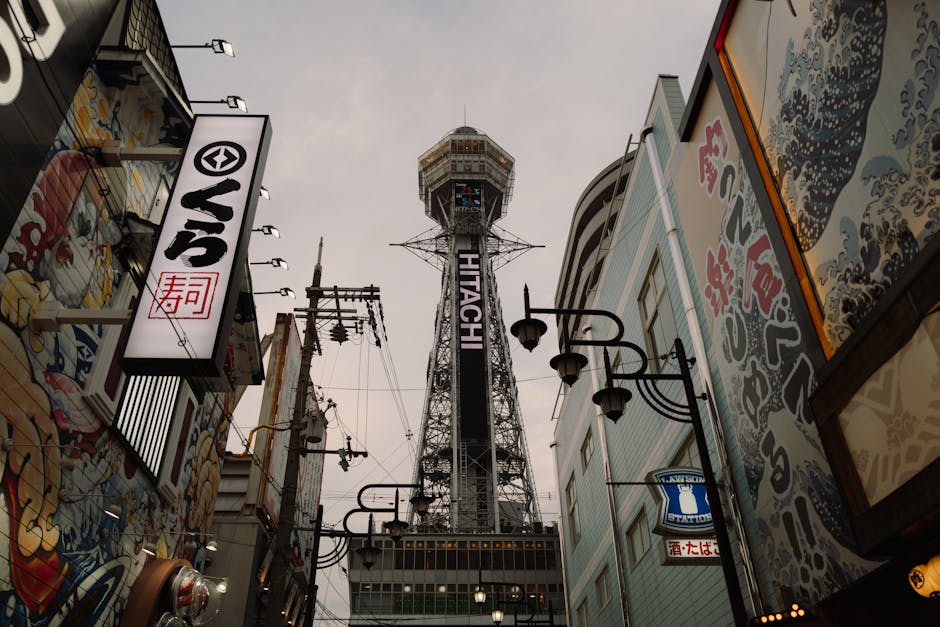
What most buyers actually want to know: how long does this last, and what breaks first?
GU basics hold up. Their cotton jersey t-shirts survive 20–30 wash cycles without significant color fade or shape loss — the actual durability test for a basic. Fabric weight on their jersey pieces sits around 160–180gsm, standard for mass-market basics and comparable to H&M’s equivalent tier. GU denim is a different story. At ¥1,990, their jeans are functional but stiff — the fabric lacks stretch and the cut runs boxy on most body types. If denim is central to your wardrobe, spend more elsewhere.
Shimamura’s utility items defy their price point. Their socks, innerwear, and basic knit pieces hold up in ways their trend-forward seasonal pieces don’t. The split is nearly binary: utility items from Shimamura are worth every yen. Their fashion pieces are not.
WEGO is the most variable brand in this group. Their baseline cotton basics compare to GU in construction. Their trend pieces — sheers, embellished items, anything with novelty construction — are unpredictable. WEGO statement pieces sometimes look better on the hanger than after a single wash cycle. Safest buys are their outerwear and plain cotton knits. Avoid anything with complex embellishment if long-term wear matters.
earth music & ecology sits above this tier on fabric quality. The brand sources natural fibers — cotton gauze, linen blends, washed cotton — that are noticeable even at lower price points. Their ¥2,000–¥3,000 blouses in linen or cotton gauze compare favorably to Western brands at twice the price. The construction isn’t exceptional, but the base materials are honest.
One practical marker to check across all these brands: seam allowances. Japanese budget brands generally leave better seam allowances than Western equivalents at the same price point — typically 1–1.5cm versus the sub-1cm common on Western fast fashion. If you plan to tailor or alter pieces, this matters more than most buyers realize. A ¥1,000 GU shirt with real seam allowances is a better tailoring candidate than a ¥3,000 piece from a Western chain with none.
Which Brand to Start With Based on Your Style
Here is the actual verdict.
For minimalist basics with maximum wardrobe versatility: GU. It works across any aesthetic, any age group, any existing wardrobe. One practical note: GU and Uniqlo share the same parent company and deliver comparable quality on basics, but GU runs 30–50% cheaper. A GU relaxed Oxford shirt costs ¥1,490. The Uniqlo equivalent is ¥2,990. On t-shirts, trousers, and simple dresses, buy GU. The only reasons to choose Uniqlo over GU are its outerwear, HeatTech thermal base layers, and premium fabric lines.
For Harajuku-adjacent streetwear, Y2K styling, or subculture looks: WEGO for the broadest catalog and international availability, SPINNS for a more curated vintage-influenced selection available only in Japan.
For feminine clothing in natural fabrics and muted earth tones: earth music & ecology is the clear answer. Their aesthetic travels well — it doesn’t read as distinctly subcultural in a way that limits how it integrates into a non-Japanese wardrobe. And they ship internationally through Rakuten Global Market.
For pure utility — innerwear, socks, functional basics: Shimamura wins on price, and the quality-to-cost ratio on utility items is genuinely difficult to match anywhere globally.
A practical note for first-time visitors: pick two brands rather than trying to cover all of them. The overlap between GU, LOWRYS FARM, and earth music & ecology means you’ll end up with duplicates if you try to shop everything in limited time. Choose GU plus one other brand that aligns with your specific aesthetic, and you’ll leave with a more coherent wardrobe than someone trying to hit six stores in two hours.
Japan’s budget fashion brands aren’t standing still. GU has been expanding into collaborative collections and premium sub-lines that push against what the brand can deliver at its price tier. What you get at ¥1,990 today is a meaningfully better product than the same price bought five years ago — and the ceiling on what affordable means in this category keeps rising.

Designer Dupes That Actually Look Expensive: A 2026 Buyer’s Guide
Are you paying $2,500 for a bag because it’s better made — or because of the logo?
That’s the real question behind the dupe economy. And the honest answer, most of the time, is both. Designer pieces command premium prices for a combination of genuine quality and branding power. The trick is figuring out which part you’re actually paying for — and whether a $120 alternative delivers the same visual result at a dinner table or on a commute.
This guide is not about knockoffs with counterfeit logos. It’s about legally manufactured alternatives that replicate the aesthetic of expensive fashion, not the trademark. There’s a meaningful legal and ethical difference. Knowing it will save you money on both sides of this equation.
This is not financial advice. Product prices fluctuate. Verify current listings before purchasing.
What Your Eye Actually Reads as Expensive
Before spending anything, you need to understand the specific physical signals your brain interprets as expensive. Marketing tells you it’s about the brand. It isn’t. It’s about four or five concrete details that register before you’ve consciously clocked the item.
Hardware and Stitching Tell the Real Story
Pick up any two handbags — a $2,200 Celine and a $45 fast-fashion version. The first thing your fingers notice isn’t the leather. It’s the weight and temperature of the hardware. Quality zippers, clasps, and chain straps use brass or zinc alloy. They feel cold and heavy when you hold them. Cheap hardware is lightweight and warm — it feels hollow because it often is.
Stitching is the other instant giveaway. On quality pieces, lines are even, tight, and color-matched or deliberately contrasted. On low-end dupes, stitching wanders slightly, threads hang loose at stress points, and spacing is inconsistent across a seam. You can see this in product photos if you zoom in. Do it before you buy.
Neither of these signals requires spending $2,000. They require spending enough to clear the threshold where a manufacturer stops cutting corners on raw materials.
Material Weight and Drape
For clothing, what reads as expensive is largely about how fabric moves. Cheap polyester clings and reflects light in unflattering, obvious ways. Heavier fabrics — even mid-weight cotton, viscose, or a poly-linen blend — drape differently against the body. You don’t need cashmere to look like you’re wearing it. You need fabric that falls rather than clings.
Color saturation also signals quality. Rich, deeply saturated tones read well across lighting conditions. Washed-out or slightly muddy colors read as cheap even when the cut is perfect. This is why a $60 Mango blazer in a true camel tone often photographs more expensively than a $90 fast-fashion version in a dull tan.
Structure Over Material Claims
Structure is the single most underrated quality signal. A well-cut coat with clean shoulders and a defined waist reads expensive at 10 feet, regardless of fabric content. A shapeless coat in the finest wool reads cheap. When comparing dupes, prioritize structure and fit above fabric claims. A polyester blazer that fits perfectly will always look more expensive than a poorly cut wool one. This is not close.
Bag Dupes: What the Numbers Actually Look Like
The handbag category has the most developed dupe market — and the most honest value propositions. Below is a straight comparison of originals against the closest non-logo alternatives available in 2026.
| Designer Original | Retail Price | Dupe Alternative | Dupe Price | Savings |
|---|---|---|---|---|
| Bottega Veneta Cassette Bag | $3,100 | Melie Bianco woven crossbody | $85–$110 | ~$3,000 |
| The Row Margaux Tote | $1,690 | Quince Italian leather tote | $99–$129 | ~$1,560 |
| Loewe Puzzle Bag | $2,500+ | & Other Stories structured bag | $130–$180 | ~$2,350 |
| Celine Box Bag | $2,200 | Charles & Keith boxy shoulder bag | $55–$75 | ~$2,140 |
| Polene Numero Un | $285 | Ecosusi structured shoulder bag | $60–$95 | ~$210 |
The Quince Italian leather tote is the strongest value on this list. Quince sources directly from Italian factories and eliminates retail markup. The leather is genuine, the construction passes inspection at close range, and at $99–$129 it competes with bags priced at $400–$600 in traditional retail. The comparison to The Row is flattering but visually fair.
The Charles & Keith boxy shoulder bag works best in black or cream. In other colorways, the PU leather reads more clearly as synthetic under direct light. Stick to the two neutral options for the most convincing result. The Melie Bianco woven bag pulls off the Bottega Veneta intrecciato look cleanly — the weave structure does the heavy lifting and hides the material quality gap.
Bottom Line: The $80–$150 range is where quality bag dupes actually live. Below $50, you’re gambling on construction. Above $200, you’re typically better off buying a genuine mid-tier brand — A.P.C., DeMellier London, or Strathberry — outright.
Three Filters That Cut Your Dupe Failure Rate
Most people have bought at least one item that looked excellent in photos and deflating in person. These three filters eliminate most of that risk before you spend anything.
- Buy from brand websites, not marketplace listings. Amazon and eBay dupe listings have wildly inconsistent quality because sellers change product sources without updating photos. Go directly to Melie Bianco, Quince, Mango, or & Other Stories — brands with fixed quality standards and actual customer service. You get the same visual result with far less variance.
- Prioritize neutral colors. Dupes in black, cream, camel, and navy are forgiving of minor quality inconsistencies. Bright or trendy colors amplify manufacturing flaws. A red dupe handbag that’s slightly off-tone reads as a miss. A black one reads as deliberate. When in doubt, buy the black version first.
- Check the return policy before you commit. Quality perception is personal. A structured bag that photographs well might feel lightweight in person to you. Any reputable dupe brand offers free returns. If they don’t, that’s a meaningful red flag about what you’re actually receiving.
One more thing that doesn’t get said enough: avoid sizing down on clothing dupes because you prefer how it looks on the model. Cheaper fabrics pull and stretch differently than quality ones. Order your actual size or size up half a step for structured pieces.
Shoe Dupes Worth Buying — and One Category to Skip
Shoes are the hardest category to dupe well, and the advice to “just buy everything from Zara” is wrong for most people. Construction determines comfort, and comfort determines how often you actually wear something.
The Golden Goose Problem
Golden Goose Superstar sneakers retail for $495–$560. They’re pre-distressed to look worn-in — a new sneaker that’s supposed to look old. The visual trick is clever marketing, but the construction underneath is genuinely solid Italian craftsmanship.
Steve Madden’s EZRA sneaker at $65–$80 and H&M’s distressed low-top at $35–$45 both replicate the visual language adequately for casual use. But the Golden Goose sole is meaningfully better for sustained wear. If you walk more than three miles on a given day regularly, the dupe shows its limits within months. If you wear them twice a week for brunch or low-key outings, you will never notice the difference. Know your use case before you decide.
Classic Loafers: Where Dupes Actually Win
The Gucci Horsebit loafer retails for $1,050. The Sam Edelman Loraine loafer is $100. Both have metal hardware, both have the square toe and low block heel. Sam Edelman uses a synthetic insole that some people find less comfortable after extended wear — but the visual difference at a glance is minimal for anyone not holding both side by side.
Steve Madden’s GORING loafer at $85 and the Mango Metal-Detail Loafer at approximately $90 are also worth considering. The Mango version runs slightly narrow; size up half a step. For someone wearing loafers to the office twice a week rather than daily, these are among the cleanest value propositions in the entire dupe category.
Bottom Line: Shoe dupes work best for low-mileage situations. For daily walkers or anyone standing for long shifts, invest in a genuine mid-tier brand — Everlane, M.Gemi, or Thursday Boot Company — instead of cycling through cheap replacements.
When NOT to Buy a Dupe
If you wear something more than three times a week, skip the dupe. Cost-per-wear math turns punishing fast when a $65 item needs replacing every four months while a $280 item lasts three years. That’s not thrift — it’s compounding waste dressed up as savings.
The same math applies to everyday basics: white T-shirts, daily denim, work trousers, shoes you commute in. Buy quality on the things you use constantly. Save the dupe strategy for trend-driven statement pieces you’ll cycle out in a season anyway.
Jewelry and Accessories: Straight Answers
Can gold-plated jewelry actually pass as Cartier?
Visually, yes — as long as there’s no counterfeit Cartier logo on it. The Cartier Love bracelet sells for $1,550 to $6,800 depending on metal and stones. Mejuri’s stackable cuff in 18k gold-plated brass runs $78. PDPAOLA’s vermeil bangles are $60–$95. Neither says Cartier. Both read as high-end minimalist jewelry rather than costume pieces.
The practical issue is longevity. Standard gold plating is 0.5 to 2 microns thick — it wears through in 6 to 18 months with daily skin contact. Mejuri uses 18k gold vermeil over sterling silver (minimum 2.5 microns thick), which holds meaningfully longer. If you’re buying gold-toned jewelry to wear every single day, Mejuri is the honest choice. For occasional wear, even lighter-plated options from & Other Stories at $25–$45 will hold up fine through a season.
What about sunglasses?
Celine Triomphe and Bottega Veneta frames run $350–$600. The optical quality is real — but the frames are often manufactured by Kering-licensed factories alongside several other licensed brands in the same factories. Quay Australia’s frames at $65–$80 use comparable Taiwanese frame manufacturing to many mid-tier eyewear brands. MVMT sunglasses at $95–$135 offer polarized lenses at a significant discount.
One non-negotiable: UV protection certification. Always verify that any sunglasses — dupe or designer — carry UV400 certification. Cheap unprotected lenses can cause more eye damage than wearing nothing at all, because they dilate your pupils while blocking zero UV. This is not a detail you skip for $15 in savings.
Scarves: the easiest dupe win
A Toteme signature stripe scarf is $295. A visually identical version from Zara runs $25–$35 each season. Fabric weight is lower on the Zara version, but worn over a coat, no one gets close enough to notice. This is one of the few categories where a dupe is objectively the rational choice regardless of budget — the marginal quality difference does not support an $260 price gap.
The Real Cost of Getting This Wrong
The most expensive outcome isn’t buying a dupe that looks cheap. It’s buying three cheap dupes in sequence to replace each other while convincing yourself you’re being thrifty.
A $45 Charles & Keith bag that falls apart in six months, replaced by another $45 bag, replaced again — that’s $135 spent over 18 months on the same item three times. The A.P.C. Half Moon Bag at $325 in genuine grained leather would have lasted the same period and retained $80–$100 resale value on Vestiaire Collective or Poshmark. Net cost on the A.P.C.: roughly $230. Net cost on three dupes: $135 with nothing to show. The gap is smaller than it looks, and the A.P.C. experience is categorically different.
Two habits that most dupe content never mentions:
- Shop end-of-season sales at mid-tier brands. Mango, & Other Stories, and Arket routinely run 40–60% discounts at season transitions. A $180 & Other Stories structured bag at $72 on clearance beats any dupe at full price in construction, longevity, and feel.
- Check resale platforms before buying new. Poshmark, Depop, and Vestiaire Collective regularly list genuine designer pieces at dupe-level prices from sellers clearing closets. A used Polene Numero Un at $110 beats a new Ecosusi at $90 in every measurable category — material, hardware, resale value, and satisfaction.
The question at the top of this piece — are you paying for quality or the logo — is the entire framework. For logo-heavy pieces where 90% of the retail price is brand equity (Gucci belt, LV monogram canvas tote), a clean alternative without the logo is a rational financial decision. For pieces where construction genuinely drives the cost — The Row, Bottega Veneta’s leather goods, Celine’s tailoring — a mid-tier brand that actually invests in materials is almost always the smarter play than a budget dupe.
That calculus doesn’t shift based on what’s trending on social media this month.
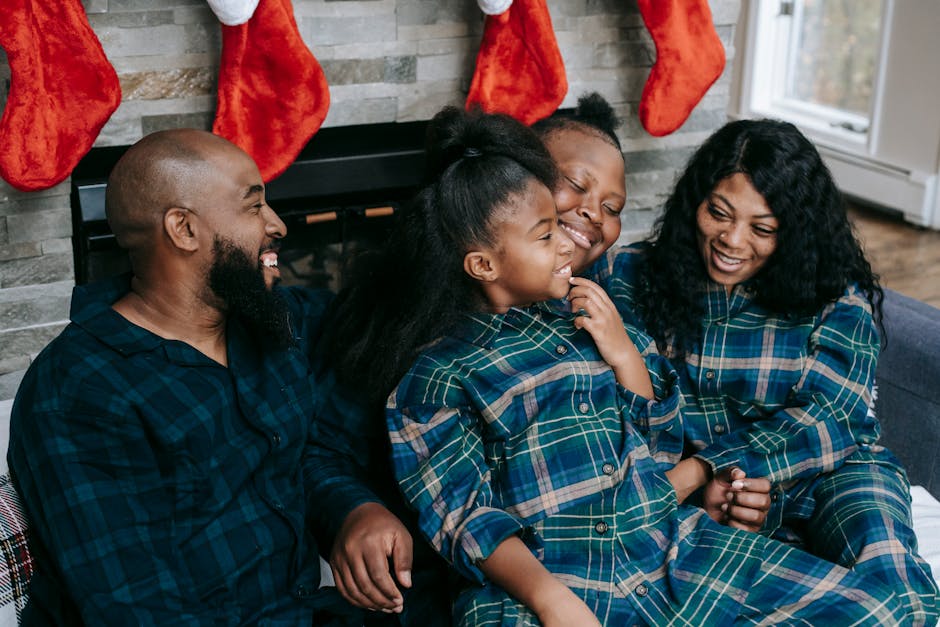
Best Pajamas on Shein: What Actually Holds Up and What Doesn’t
The assumption most people bring to Shein pajama shopping is that low price equals disposable quality. That’s not always true — but it’s also not always wrong. Some Shein sets wash well for a full year of regular use. Others pill and warp by the second month. The difference comes down to fabric composition, which sub-label you’re ordering from, and whether you know what the product page is actually telling you.
Shein’s sleepwear catalog runs to several thousand listings. These picks and guidelines are based on review volume, fabric composition data, and consistent patterns in buyer feedback across the platform — not on which items look best in staged product photography.
Shein’s Pajama Sub-Brands Are Not the Same Product
Shein isn’t a single brand with a uniform quality standard. It’s a platform hosting multiple sub-labels, each with different target aesthetics, price points, and manufacturing partners. When you search “pajamas” on Shein, you’re pulling from at least five distinct lines simultaneously. Treating them as interchangeable is the source of most buyer disappointment.
SHEIN Frenchy handles the fashion-forward pieces — satin cami sets, lace trim detailing, trend-driven colorways. It optimizes for visual appeal over durability. SHEIN EZwear is the everyday casualwear label and houses most of the waffle knit and jersey sets. SHEIN Basics does exactly what it says: solid colors, simple cuts, no extras. Dazy, Shein’s Gen Z-facing sub-brand, produces the oversized matching sets and graphic pajama tops that blur the line between sleepwear and streetwear. SHEIN Curve carries extended sizing up to 4X but with a noticeably narrower fabric range than the standard sizing lines.
| Sub-Brand | Price Range | Best Use Case | Known Weakness |
|---|---|---|---|
| SHEIN Frenchy | $10–$22 | Satin sets, aesthetic appeal, gifts | Traps heat, requires delicate care only |
| SHEIN EZwear | $8–$18 | Waffle knit, cotton blends, everyday wear | Tops run small through the shoulders |
| SHEIN Basics | $7–$14 | Simple sets, solid colors, year-round basics | Thinner fabric at the lowest price tier |
| Dazy | $9–$20 | Matching loungewear, oversized cuts | Top and bottom often sized differently within a set |
| SHEIN Curve | $12–$25 | Extended sizing, 1X–4X range | Fewer cotton options than standard sizing lines |
The sub-label alone won’t guarantee quality, but it tells you what the item is optimized for. A SHEIN Frenchy satin set at $12 is built for aesthetics. A SHEIN Basics cotton-blend set at $10 is built for function. Buying a Frenchy set and expecting workhorse durability is a misaligned expectation — not a manufacturing failure.
Fabric Composition: The One Data Point That Predicts Everything Else

Every Shein product page lists fabric composition in the details tab. Most buyers skip it. That single habit is responsible for the majority of “it fell apart after two washes” reviews.
Polyester satin (labeled “satin” or “charmeuse”)
Almost all satin pajamas on Shein are 100% polyester with a satin weave construction — not silk, not a silk blend. That’s not automatically a dealbreaker. Polyester satin is machine-washable, resists wrinkles reasonably well, and maintains its sheen through multiple wash cycles at low temperature. The SHEIN Frenchy Solid Satin Cami Pajama Set regularly sits among the highest-rated sets on the platform — consistent 4.2 to 4.5-star averages across thousands of reviews — largely because buyers know what they’re getting and the item delivers on it.
The hard limit: polyester doesn’t breathe. It traps body heat against the skin. If you naturally run warm at night, satin sets will make you uncomfortable regardless of how polished they look in photos.
Waffle knit (polyester-cotton blend)
Waffle knit sets on Shein are typically blended — around 55–65% polyester with cotton and a small percentage of spandex for stretch. The texture adds visual weight and a premium feel at a low price point. The SHEIN EZwear Solid Color Waffle Knit Pajama Set has been one of the most consistently reordered sleepwear styles on the platform. Reviewers note that the fabric softens slightly after the first few washes without losing the structure of the knit. Wash inside out on cold to protect the texture — high-heat washing is the primary cause of pilling flagged in 2 and 3-star reviews for this category.
Cotton and cotton-blend sets
This is your best pick for long-term wearability. Shein’s cotton-blend pajamas — typically labeled 95% cotton, 5% spandex — breathe better, wash more reliably, and hold their shape over repeated use far better than synthetic sets. They’re harder to find in the catalog because cotton costs more to source and manufacture at scale. Filter specifically by material in the Shein search sidebar and look within SHEIN Basics and SHEIN EZwear.
One honest caveat: Shein’s fabric composition claims aren’t independently third-party verified. Multiple buyer notes across product pages flag that some “cotton blend” sets feel more synthetic than the label implies. The most reliable way to assess this before buying: read 3-star photo reviews from people who’ve washed the set multiple times. That’s where fabric performance issues consistently surface.
Fleece and thermal options
Shein carries a smaller selection of fleece-lined and thermal pajama sets, mainly available in fall and winter catalog cycles. These run 100% polyester or polyester-microfiber, are warm and affordable ($12–$20 for a set), and hold up for one to two seasons of cold-weather use. Not a year-round investment, but serviceable for getting through winter without spending $60 on a set.
Sizing at Shein: Read This Before You Order
Shein’s size chart is product-specific, not platform-wide. A medium in SHEIN Frenchy is not the same as a medium in Dazy or SHEIN EZwear. Ordering your standard size without checking the individual product’s measurements is the single most consistent buyer mistake on the platform, and it accounts for a disproportionate share of the low-star reviews that would otherwise be avoidable.
Every Shein product page has a size guide tab with chest, waist, and hip measurements in centimeters. Use it every time, for every order. Measure yourself with a soft tape measure before your first purchase — it takes three minutes and eliminates most fit issues. For pajama sets specifically, check top and bottom measurements separately. Several popular sets have sizing mismatches between the two pieces: tops sometimes run one full size larger than the bottoms within the same set, particularly in SHEIN EZwear, where elastic waistbands frequently run tighter than the labeled size suggests.
If you’re between sizes, size up on tops — especially through the shoulder — and use the waist measurement to decide on bottoms. Inseams on Shein pajama pants also run shorter than US standard sizing. If you’re over 5’7″, verify the listed inseam before ordering any long-pant style.
The Shein Pajama Picks Worth Adding to Cart
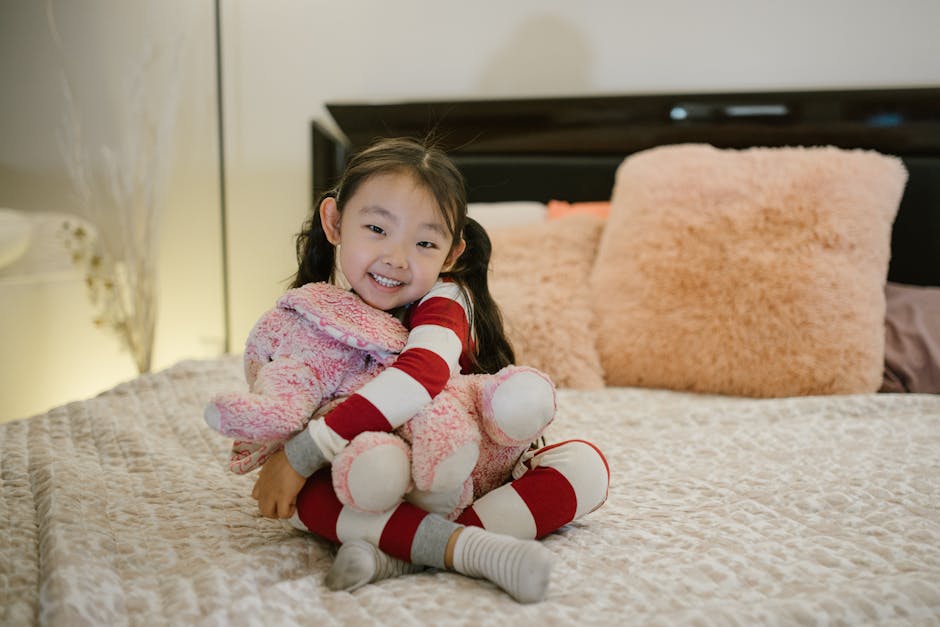
These aren’t the most heavily promoted items. They’re the sets with consistently high review scores, honest fabric compositions, and realistic buyer expectations reflected across their ratings.
Best satin set: SHEIN Frenchy Solid Satin Cami & Shorts Pajama Set (~$12–$16)
Available in a wide color range — dusty rose, sage, navy, butter yellow. The adjustable cami straps and clean elastic waistband on the shorts are construction details that set this above similar-priced alternatives. Multiple buyers report no seam failure or strap degradation after five or more washes on delicate cold. Best for: warm-climate sleepers, gift buyers, and anyone who wants something that photographs well without the Eberjey price tag.
Best cozy set: SHEIN EZwear Waffle Knit Long Sleeve Pajama Set (~$14–$18)
Long-sleeve top, matching long pants, waffle texture throughout. The fabric blend sits around 55% polyester and 40% cotton — enough cotton content to make it more breathable than pure synthetic sets. Review consensus is consistent: size up one from your standard size for a relaxed, non-clingy fit. The best Shein option for fall and winter use.
Best budget option: SHEIN Basics Striped Short Sleeve Pajama Set (~$8–$12)
No frills. Short-sleeve top and elastic-waist shorts in a cotton-blend fabric. The striped versions read as significantly more expensive than they are. For a functional summer sleepwear set that costs almost nothing, this is the most honest value on the platform.
Best loungewear crossover: Dazy Oversized Graphic Matching Set (~$15–$20)
Technically pajamas. More realistically: what you wear to a morning coffee run or a weekend at home. The oversized hoodie-and-shorts version averages 4.3 stars or higher across seasonal colorways. Don’t use this as a sleeping set — the fleece lining and structured hood make it too warm and bulky for actual sleep. As a matching lounge set that happens to be pajama-adjacent, it’s a strong pick.
Six Mistakes That Cause Most Shein Pajama Regrets
- Skipping the photo review tab. Shein’s product photography is professionally staged and lit. The photo reviews show what the item actually looks like worn and washed by real people. Non-negotiable step before any new-to-you product.
- Ordering satin if you run hot at night. Polyester satin doesn’t breathe — that’s not a brand flaw, it’s how the fabric works. Cotton or waffle knit is the right call for warm sleepers.
- Trusting the size label over the measurement chart. Platform-wide size labels are meaningless on Shein. Measure yourself, use the product’s centimeter chart, order based on numbers — not letters.
- Machine washing satin on warm or hot. High-heat washing distorts polyester satin weaves and accelerates pilling. Cold water, delicate cycle, hang dry: this single habit significantly extends the lifespan of any satin set.
- Assuming a matching set means identically sized pieces. Many Shein pajama sets have sizing disparities between the top and bottom. Order each piece based on its individual measurements, even if that means selecting different labeled sizes within the same set.
- Buying on star rating alone without checking review volume. A 4.5-star average across 200 reviews is more meaningful than 4.8 stars across 11. Sort reviews by newest to catch quality shifts in recent production runs — Shein product quality can vary between manufacturing batches.
When Shein Pajamas Make Sense — and When to Spend More
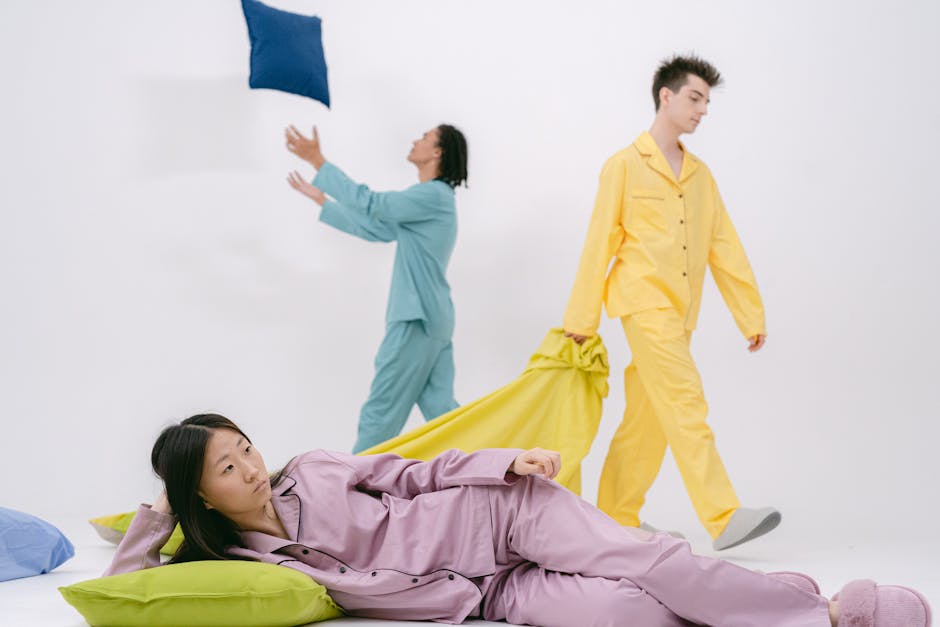
Shein pajamas make economic sense in specific situations: travel sets you might leave behind, seasonal styles you’ll wear for one summer, backup sets for laundry week, or gifts where aesthetics matter more than longevity. At $10–$20 per set, the value proposition is clear when expectations are calibrated to the price.
They make less sense when durability is the actual priority. If you’re buying pajamas to wear four nights a week for two years, the math shifts. Synthetic Shein sets show fabric degradation — pilling, slight color loss, waistband stretch — within six to eight months of regular washing. At that frequency, spending more on better-made sleepwear becomes the cheaper long-term decision.
Alternatives worth comparing: Eberjey‘s modal-blend sets run $90–$130 and consistently outperform Shein for softness retention and longevity. Lake Pajamas uses Pima cotton and Tencel at the $80–$100 range, the better call if breathability is your primary requirement. For mid-range options that outperform Shein on durability without the luxury price tag, Ekouaer and Amazon Essentials both offer cotton pajama sets in the $25–$40 range with more consistent sizing and better fabric composition transparency.
If you’re shopping extended sizes and fabric quality is the priority, Torrid (1X–6X, $35–$60 per set) carries more cotton options and more predictable size scaling than SHEIN Curve — worth checking in parallel before committing.
At its best, Shein pajamas are a volume play: maximum style variety at a price that makes experimentation low-stakes — and for $12, that’s precisely what they deliver.

Rent the Runway vs. Nuuly: Which Dress Rental Service Is Worth It
Dress rental subscriptions address a measurable problem: a single designer dress for one event runs $300–$600 at retail, while a monthly rental plan theoretically delivers that value repeatedly. Rent the Runway and Nuuly both make this promise, but their service structures, catalog compositions, and financial risk profiles differ substantially. Before committing to either monthly charge, the comparison warrants a direct look at what you’re actually buying.
Service Structure and Plan Terms, Side by Side
These two services are not comparable by monthly price alone. The underlying model — how items are selected, shipped, and swapped — determines whether a subscription actually delivers value for your specific usage pattern.
Nuuly, owned by URBN (parent company of Urban Outfitters, Anthropologie, and Free People), runs a monthly box model. Subscribers select 6 items per month for approximately $98, receive one shipment, wear items for the full 30 days, and return everything together in a prepaid bag. Mid-month swaps are not available. The catalog reflects the URBN portfolio: Free People dresses, Anthropologie blouses, Patagonia outdoor pieces, and house labels like Maeve and Pilcro. Members can purchase rented pieces at a discounted rate if something works well enough to keep.
Rent the Runway structures differently. The standard membership at approximately $94/month provides 4 items at a time with unlimited swaps — ship back what you’re done with, select new items, receive the next batch, repeat. RTR also operates RTR Reserve, a one-time rental product requiring no subscription, where individual pieces rent for $50–$200+ for 4-to-8-day windows. The brand catalog skews heavily toward designer: Self-Portrait, Diane von Furstenberg, Marchesa, Alexis, and comparable occasion-wear labels dominate the listings.
| Feature | Nuuly | Rent the Runway |
|---|---|---|
| Monthly base price | ~$98/month | ~$94/month (4-item plan) |
| Items per billing cycle | 6 items, one shipment | 4 items at a time, unlimited swaps |
| Swap flexibility | Monthly — one box per cycle | Unlimited mid-cycle swaps |
| Primary catalog aesthetic | Casual to smart-casual (URBN brands) | Designer and occasion wear |
| No-subscription rental option | No | Yes — RTR Reserve |
| Physical drop boxes | No | Yes, in select metro areas |
| Dry cleaning included | Yes | Yes |
| Damage liability | Major damage billed to member | Major damage billed; optional protection plan available |
Pricing and plan terms are subject to change — both services have restructured their offerings multiple times. Item availability also varies by location, season, and real-time inventory. Verify current terms directly before subscribing.
Calculating the Real Cost Per Item Worn
The monthly subscription price is a misleading headline figure. The relevant metric is cost per item actually worn, which shifts considerably based on how actively a subscriber uses each service’s model.
Nuuly’s Economics Favor High Utilization of Casual Pieces
At $98 for 6 items, the per-item cost is $16.33 at 100% utilization. Realistically, most subscribers wear 4 of the 6 items consistently, pushing the effective per-item cost to $24.50. That’s still defensible against URBN retail prices — Free People dresses run $128–$198, Anthropologie blouses $88–$148, Patagonia fleece vests $119–$149. Accessing $650–$900 worth of retail inventory for $98 is genuinely compelling, but only if your lifestyle supports wearing 5–6 new-to-you pieces throughout the month.
The model breaks down for event-specific renters. Nuuly doesn’t let you pick one cocktail dress and five everyday pieces to justify the box — you fill all six slots and return everything together. If you’re renting for a single occasion, you’re effectively paying $98 for one dress and five items that exist only to meet the minimum selection requirement.
Rent the Runway’s Swap Model Rewards Active Users
RTR’s unlimited swap mechanic changes the math substantially for high-frequency subscribers. A member who cycles through three swap batches in a month — 12 item-uses for $94 — brings the per-item cost below $8. That number looks very different applied to Self-Portrait midi dresses ($395 retail), Diane von Furstenberg wrap dresses ($328), or Alexis maxi dresses ($350+). Three designer pieces covering a full month of event needs at $94 total is a favorably structured trade.
The caveat: swap velocity carries a hidden time cost. Each swap requires repackaging worn items, initiating a return, selecting new pieces from live inventory, and waiting for the next delivery. During peak periods — May through October for weddings, November through January for holiday events — delivery windows stretch and popular sizes go unavailable. RTR carries a significantly more mixed consumer satisfaction record than Nuuly on third-party review platforms, with logistics and inventory availability cited most frequently. Budget an additional 3–5 days for any event-critical rental timeline during peak season.
The Damage Exposure Most Subscribers Underestimate
Both services charge for damage beyond what they classify as normal wear. RTR’s fees range from approximately $25 for minor issues to the full retail replacement value for significant damage. A Marchesa gown at $800+ retail represents a real financial liability if it’s damaged at a reception dinner. RTR offers an optional damage protection plan — evaluate it the way you’d evaluate any insurance product: identify the maximum liability exposure, compare it against the add-on premium, and decide whether the coverage makes sense given what you’re renting. Nuuly carries similar damage policies. Subscribers planning to wear rentals to outdoor events, wine-service environments, or high-traffic venues should factor this risk into their actual monthly cost calculation.
Nuuly Wins for Everyday Wardrobe Rotation
For subscribers whose primary need is rotating casual and smart-casual clothing — weekend outfits, non-formal work attire, seasonal basics — Nuuly outperforms RTR by a clear margin. The URBN catalog was built for exactly this wardrobe segment. The monthly box model requires less active management than RTR’s swap system. The six-item allotment delivers genuine variety at a price point where the math actually works. This is the service that makes sense when your goal is a constantly refreshed everyday closet, not a rotating collection of occasion pieces.
Four Scenarios Where Rent the Runway Outperforms
- Multiple events in a single month. Three weddings between June and August? RTR’s swap model covers each one under a single plan. Timed correctly — ship back dress one before the second event, select dress two, repeat — that’s three separate designer looks at under $32 per event. The economics are genuinely strong for active rotators.
- Formal or black-tie requirements. RTR carries the labels that read appropriate for galas, corporate award dinners, and black-tie functions. Nuuly’s catalog doesn’t reliably serve this segment — the URBN aesthetic simply doesn’t extend to formal occasion wear.
- Urban subscribers near RTR drop boxes. Cities including New York, Chicago, and Los Angeles have physical RTR drop-off locations that eliminate return shipping lag and make the swap cycle practical. Non-urban subscribers absorb meaningfully more friction per swap and should weigh that against the appeal of unlimited exchanges.
- One-time event, no subscription needed. RTR Reserve requires no membership. A single designer piece for a 4-day window runs $50–$150+. No monthly commitment, no auto-renewal exposure, no box to populate. Nuuly has no comparable one-time rental option.
Common Mistakes That Cost Subscribers Real Money
Assuming your first-choice items will be in stock when you order
Both services run on live inventory. If a popular size in a high-demand item is already rented when you’re building your selection, you either choose an alternative or that piece doesn’t ship. RTR’s continuous swap churn makes this problem more acute — an item available Monday may be gone by Thursday when your order processes. Standard mitigation: build a backup list of 10–12 items and accept that your actual box reflects real-time availability, not wishlist priority. Subscribers who build tight, no-alternative selections and then get disappointed are making a structural error, not encountering a service failure.
Missing the cancellation window and absorbing an extra billing cycle
Both services auto-renew monthly with minimal advance notification. If you’re subscribing for a defined purpose — summer event season, a travel stretch, a new-job wardrobe phase — set a calendar reminder 5–7 days before your next billing date. Cancellations initiated close to a charge date frequently don’t prevent that billing cycle. Refund policies on both platforms offer limited recourse after the fact. The cost of a missed cancellation window is one full monthly subscription fee. The cost of a calendar reminder is zero.
Renting high-value pieces without assessing damage liability
Subscribers who rent RTR’s upper-tier designer inventory without the optional damage protection plan are carrying uncapped replacement liability. A damaged Marchesa gown or permanently stained Self-Portrait dress can generate a charge that exceeds multiple months of subscription fees. Run the same analysis you’d apply to any coverage decision: what’s the realistic probability of a claim, what’s the maximum out-of-pocket exposure, and what does the protection option actually cost per month? For subscribers consistently renting pieces above $300 retail value, the protection plan frequently justifies its premium.
When a Rental Subscription Is the Wrong Product Entirely
If your clothing rental need amounts to fewer than 8–10 wears per month and concentrates around occasional events rather than daily wardrobe rotation, a subscription model will consistently cost more than the alternatives. Both services are well-designed for the right subscriber. Neither makes financial sense for the wrong one — and saying otherwise would be a disservice to anyone doing this comparison seriously.
A subscriber who joins Nuuly specifically for one event in June and cancels in July paid $98 for what amounts to a single dress rental. RTR Reserve would have covered that same dress for $80–$120, with no subscription, no auto-renewal exposure, and no six-item box to populate.
Armoire focuses on professional workwear — blazers, structured trousers, tailored dresses suited for conference rooms rather than cocktail parties. For subscribers whose primary wardrobe gap is work attire, Armoire’s catalog often outperforms both Nuuly and RTR in practical usefulness. FashionPass, priced between $79–$159/month depending on plan tier, offers a more trend-driven catalog and positions between the two main players in price. Neither has the inventory depth of Nuuly or RTR, but both are worth pricing directly before defaulting to the better-known options.
Standard consumer-advocacy guidance applies: get current pricing from multiple services before subscribing to any single one. Trial periods have historically been available on both Nuuly and RTR, and your first month is the only accurate test of whether your actual usage pattern justifies the recurring charge.
Matching the Right Service to Your Wardrobe Needs
The practical verdict by subscriber profile:
Choose Nuuly if your primary need is rotating casual and smart-casual pieces — new-to-you clothing for real weekly life, not event dressing. Six items for $98, URBN brands, monthly cadence, minimal management overhead. The value case is clear for anyone who will realistically wear most of the box and refreshes their everyday wardrobe consistently throughout the month.
Choose Rent the Runway if you have recurring occasions requiring designer or formal dressing, if you’re near a physical drop box location, or if the unlimited swap model genuinely matches your frequency of use. The per-item math works when the service is used actively — subscribers cycling through 10+ items per month are the ones extracting real value. The model does not work for subscribers holding 4 items for three weeks at a stretch.
Choose RTR Reserve — with no subscription — if your event needs are seasonal and infrequent. At that frequency, one-time rental pricing beats any recurring monthly plan on straight economics.
Both services have adjusted pricing, catalog depth, and plan structures repeatedly since launch. Confirm current offers — including any new-member trial pricing — directly before subscribing. The structural comparison here remains valid; the specific dollar figures should be verified against what each service is currently charging.
Building a Stylish Wardrobe on $100 a Month in 2026
Building a Stylish Wardrobe on $100 a Month in 2026
Can you actually look put-together on $100 a month? Yes. But not the way most budget fashion guides tell you to do it.
I’ve been working within a strict clothing budget for four years. The biggest lesson: it’s not about spending less — it’s about spending on the right things in the right order. The people who make this work aren’t hunting deals. They’re making deliberate, boring, specific choices every month. Here’s exactly what that looks like.
Where Most People Blow Their Clothing Budget Before Month’s End
Most people don’t have a spending problem. They have a buying problem.
Here’s the pattern: someone sets a $100 clothing budget, sees a $20 ASOS haul and thinks they’re winning, then ends up with six random tops that don’t go with anything they already own. By mid-month, the budget’s gone — spent on things they’ll wear twice, maybe.
These are the specific ways money disappears:
- Trend pieces at full price. That $35 ruched mini from Zara in March will be 40% off by May. If you have to have it, wait three weeks.
- Buying singles, not systems. A $25 blazer sounds smart until you realize it only works with the one pair of pants you own. A piece that fits into three existing outfits is worth three times as much as one that doesn’t.
- Ignoring cost-per-wear math. A $12 Amazon Essentials tee worn twice a week costs roughly $0.12 per wear after a year. A $9 Shein top worn once costs $9 per wear. “Cheap” is not the same as inexpensive.
- Duplicating what’s already there. Most people own seven black t-shirts and zero quality trousers. Audit before buying anything.
- Impulse shopping after a hard day. I’ve done this. Everyone has. The cart total never feels real until the package shows up and you have no idea where to put it.
The 20-Minute Audit That Changes Everything
Before spending a dollar this month, pull everything out of your closet. Sort into three piles: wear regularly, haven’t touched in six months, never worn. Donate or sell pile three. List pile two on Poshmark or Depop — even at $5–8 per item, that’s extra budget. Most people discover they need far less than they assumed once they can actually see what they own.
A quick note on platforms: Depop skews younger and works well for branded or vintage pieces. Poshmark has a broader buyer range and performs better for basics and workwear. ThredUp is the easiest option if you just want to box things up and ship them off without negotiating prices.
The “Just One More Basic” Trap
Capsule wardrobe culture has become its own shopping justification. “I just need one more white button-down and the wardrobe is complete.” Then you buy three. Uniqlo Supima Cotton Crew Neck Tees at $15 are legitimately worth having — they last, they wash well, they hold their shape after a year of regular use. The problem isn’t that basics are bad. The problem is using “building a capsule” as a reason to keep spending without tracking what’s actually missing.
Know exactly what gap you’re filling before opening any shopping app. If you can’t name it specifically, you’re browsing, not shopping.
How I Actually Split $100 Every Month
This allocation took two years to settle on. The breakdown below isn’t theoretical — it reflects what actually keeps a real wardrobe functional without funneling money into things that don’t move the needle.
| Category | Monthly Budget | What I’m Buying | Where I Shop |
|---|---|---|---|
| Basics replenishment | $20 | Tees, socks, underwear | Uniqlo, Amazon Essentials |
| One versatile piece | $35 | Trousers, a shirt, light jacket | H&M, Gap Factory, Banana Republic Factory |
| Secondhand wildcard | $25 | Jeans, dresses, outerwear | ThredUp, Depop, local thrift |
| Shoe and accessory upkeep | $10 | Insoles, a belt, minor repairs | Amazon, local cobblers |
| Reserve fund (rolls over) | $10 | Building toward bigger purchases | — |
The reserve fund matters more than it looks. Three months of rolling over $10 is $30 toward a Levi’s 501 ($59.99 retail). Four months gets you within range of an Everlane The Air Shirt ($68). Six months covers most of a quality winter coat from Banana Republic Factory on sale. Saving within your budget is still saving — it just requires patience.
The “versatile piece” slot is where discipline matters most. Don’t spend that $35 on something interesting. Spend it on something functional. A well-fitting pair of chinos from Gap Factory (usually $29–39 on sale) will work with every top you own. An H&M silk-look blouse at $25 goes from office to dinner without changing. That’s the math that needs to work every single month.
On months where you find nothing worth buying — skip it. Roll the whole $100 forward. A $200 month once every two months, spent on two genuinely useful pieces instead of four mediocre ones, builds a better wardrobe faster than spending for the sake of hitting a monthly number.
The 12 Pieces That Make Every Outfit Work
This is the list I’d build from scratch if I had to start over with $100/month spread across several months. Not aspirational. Functional.
The Five You Wear Every Week
- Two plain crew-neck tees — Uniqlo Supima Cotton at $15 each, or Amazon Essentials 2-pack for around $18. One white, one navy or charcoal. These are the workhorses. If you want a thorough breakdown of which Amazon cuts actually hold their shape and don’t shrink in the wash, there’s a no-BS Amazon tee guide that covers the specifics worth knowing before buying.
- One well-fitting pair of jeans — Levi’s 501 or 505 in a medium or dark rinse. Target’s Universal Thread jeans run $25–35 and fit well across sizes if Levi’s isn’t in the budget right now.
- One pair of dark trousers — straight-leg or slim, black or charcoal. Not slacks, not joggers. A clean trouser in a dark neutral goes with almost everything. H&M consistently stocks these for $25–35.
- One button-down shirt — Oxford cloth, white or light blue. Everlane’s The Air Shirt ($68) is worth saving two reserve months for. Gap Factory’s Oxford button-down at $30 is a solid placeholder in the meantime and honestly performs better than its price suggests.
- One solid hoodie — no logo, no graphic, plain. Pullover or zip in grey, black, or navy. The difference between a hoodie that lasts three years and one that pills out after six washes comes down to fabric weight and seam construction — this quality hoodie breakdown covers exactly what to look for before spending.
The Outerwear Question
You need two: a lightweight layer for transitional weather and a real coat for winter. That’s the complete outerwear story on a budget.
For the lightweight layer, H&M blazers in the $35–50 range are consistently underrated and go on sale often. A Levi’s Original Trucker Jacket ($60–80 retail) shows up on ThredUp constantly for $18–25 — this is exactly what the secondhand allocation is designed to catch. Don’t buy it new.
For winter coats: don’t cheap out. A $40 fast-fashion coat will last one season before the lining pulls, the buttons loosen, and the silhouette collapses. Use the reserve fund and wait for Banana Republic Factory’s frequent 50%-off sales — their $180 wool-blend coats regularly drop to $90. That’s four months of reserve saving. Worth it every time over buying two $40 replacements.
Shoes on a Budget That Don’t Fall Apart
Three pairs handles almost every situation: white sneakers for daily wear, a Chelsea boot for anything elevated, and loafers or simple flats for warmer months.
For sneakers: Vans Old Skool ($65) or New Balance 574 ($80). Both are clean enough to dress up, casual enough for everyday, and built to last years with basic care. For boots: ASOS house-brand Chelsea boots run $45–55 and hold up better than their price suggests — the silhouette is clean and the upper doesn’t crack quickly. For loafers: Steve Madden’s GAEL loafer at $60–75 is the most consistently recommended budget option right now, and the leather-look upper ages reasonably well.
Buy one pair per quarter if starting from zero. Rotate all three so none take daily beating — shoes last significantly longer when they dry out fully between uses.
One more piece worth calling out here: a well-chosen cardigan with pockets is one of the most underrated items in a budget wardrobe. It layers over tees, sits under a coat, and adds outfit variation without requiring another dedicated purchase slot.
Thrift vs. Fast Fashion vs. Basics Brands — My Honest Position
Thrift wins for denim and outerwear. Fast fashion wins for almost nothing. Basics brands win for anything you replace on a regular cycle.
That’s the call. Here’s the evidence behind it.
When Secondhand Is the Only Logical Answer
Denim. Levi’s, Wrangler, Lee — they age well, the construction holds up, and they show up constantly in thrift stores and on resale apps. I’ve bought Levi’s 501s for $14 on ThredUp in barely-worn condition. Paying $60 retail for jeans you could find secondhand for $12–18 is genuinely hard to justify unless you need a specific size or inseam that doesn’t exist in the secondhand market.
Same logic for blazers, leather jackets, and winter coats. Vintage construction in these categories often beats modern equivalents at the same price point, and thrift store prices haven’t inflated as badly as Depop’s market for trending vintage pieces. Skip the Depop hype buys. Target the practical stuff no one’s trying to resell at a markup.
Where thrifting consistently fails: anything that sits against skin. Don’t buy someone else’s white tee. Underwear, socks, base layers — always buy new. The hygiene concern is real, and the cost savings are marginal.
Why I Mostly Stopped Buying Shein
The price looks real. The cost-per-wear math isn’t.
A $7 Shein top sounds like budget genius until it’s see-through out of the bag, loses shape after two washes, and photographs badly outside of a staged flat lay. For genuinely one-time pieces — a themed event, a bachelorette weekend where you’ll never wear it again — fine. For anything meant to anchor a real outfit you’ll wear repeatedly, the math falls apart fast.
H&M’s quality is inconsistent, but their plain basics perform better than their trend pieces. Buy the charcoal trousers, not the printed mesh top. Zara’s cuts are still strong; fabric quality has dropped noticeably since around 2022, but a structured Zara blazer at $40 during a sale is still a reasonable find. Uniqlo is the benchmark for everyday basics: Heattech leggings, AIRism underwear, Supima tees — all still going strong in my wardrobe after two-plus years of regular use. That’s the standard everything else should be measured against.
The One Question I Ask Before Every Purchase
Does this work with at least three things I already own? If I have to pause and actually think about it, the answer is no.
Not because the piece is bad. Because my wardrobe isn’t ready for it yet — and that’s a foundation problem, not a shopping problem. Picture three complete outfits using the item and things already hanging in the closet. If you can’t do it in thirty seconds, put it back. Come back when the foundation is there to support it.
This one filter has stopped more impulse buys than any budgeting app, no-buy challenge, or capsule wardrobe system I’ve tried. It works because it forces specificity. You either know immediately that the piece fits, or you don’t — and “I’ll figure it out” is always a lie you tell yourself in the store.
The most stylish wardrobes built on tight budgets aren’t built on great deals — they’re built on boring, deliberate, specific purchases made one at a time with a clear picture of what’s already in the closet.

Best Swimwear Brands UK: What’s Worth Buying and What Isn’t
Best Swimwear Brands UK: What’s Worth Buying and What Isn’t
The biggest lie in swimwear shopping is that price equals quality. I spent three summers believing a £200 bikini top would automatically outlast a £35 one from Pour Moi. It didn’t. The £35 one survived two more holidays.
After years of trial, error, and one genuinely embarrassing wardrobe malfunction on a Greek beach, I’ve figured out which UK swimwear brands actually deliver — and which ones are coasting on their marketing budget.
This guide covers what to look for before you buy, the mistakes that waste your money, and specific brand recommendations with real prices. No vague “invest in quality” advice here.
What Actually Makes Swimwear Worth Buying
Before you look at any brand, you need to understand what separates swimwear that survives three holidays from swimwear that fades after three trips to the local pool. Most guides skip this entirely.
Fabric Composition: The Number That Matters
Look for at least 78–80% nylon (sometimes labelled polyamide) and 20–22% elastane (Lycra or spandex). This ratio gives you stretch, shape retention, and chlorine resistance.
Avoid anything with high polyester content for fashion swimwear. Polyester degrades faster in salt water and loses its shape more quickly. It’s deliberately used in performance swimwear — brands like Speedo and Zoggs choose it because it resists chlorine better than nylon — but for holiday bikinis, nylon-elastane is the gold standard.
The best fabric you’ll encounter at this price level is Carvico Vita or ECONYL, a recycled nylon that’s more durable and more environmentally responsible than virgin nylon. Hunza G uses it. So does Seafolly’s premium range. When a brand publishes their fabric source, that’s usually a good sign.
Construction: What to Check Before You Buy
Lined cups are non-negotiable for any decent bikini top. A single-layer top will be see-through when wet. Check this in-store by holding the cup up to the light — you should see minimal light through it.
Stitching should lie flat against the skin without raised seams. Raised seams in swimwear dig in after a few hours of sitting or swimming. Run your finger along the inside seams before you commit.
For underwire tops, the wire casing should be fully enclosed in fabric with no raw edges. Exposed wire casings wick water, rust, and ruin the garment within a season. I’ve lost two otherwise excellent bikini tops this way.
UPF Rating: Worth Paying Extra For
UPF 50+ blocks 98% of UV radiation. For rash guards, long-sleeve swimsuits, and children’s swimwear, this is significant. Standard swimwear fabric typically offers UPF 15–50 depending on weave density and colour.
Darker, tightly woven fabrics offer better UV protection. Speedo, Zoggs, and Sweaty Betty publish UPF ratings on specific garments. Most fashion-led brands don’t — which tells you what their priority is.
Mistakes That Cost You Money Every Summer
I’ve made all of these. Some of them twice.
- Buying in the wrong size because it looks nice on the hanger. Swimwear sizing is wildly inconsistent between brands. Heidi Klein runs small. Pour Moi runs true to size. Seafolly runs slightly large in the bottoms. Always check the brand’s own size guide, not generic UK sizing.
- Machine washing swimwear. This is the fastest way to destroy elastane fibres. Rinse in cold fresh water after every swim, hand wash with a gentle soap once a week, reshape, and dry flat. This single change doubles swimwear lifespan.
- Expecting fast-fashion swimwear to survive more than one season. Budget swimwear is fine for one trip. It is not a £30 version of a £120 garment. The fabric blend is different. Adjust expectations accordingly.
- Skipping specialist brands for larger bust sizes. High street swimwear rarely goes above a D cup with proper structural support. Panache Swim, Freya Swim, and Rosa Faia exist specifically to solve this — with underwire, boning, and adjustable straps engineered for support, not just style.
- Buying white swimwear without checking opacity. Hold it up to the light in the store. Always. I cannot stress this enough.
- Ignoring return policies. Many UK retailers won’t accept swimwear returns for hygiene reasons — even unworn pieces with tags. Check before ordering online, particularly from smaller brands.
UK Swimwear Brands at a Glance
Here’s where the main brands sit on price, quality, and who they’re genuinely suited to:
| Brand | Price Range | Best For | Fabric Quality | Size Range |
|---|---|---|---|---|
| Hunza G | £180–£250 | Effortless holiday style, one-size fits 8–18 | Excellent (ECONYL nylon) | One size |
| Heidi Klein | £120–£350 | Luxury resort, mix-and-match separates | Excellent | XS–XL, cup sizes |
| Melissa Odabash | £150–£500 | Ultra-luxury, statement pieces, cover-ups | Excellent | XS–XL |
| Seafolly | £50–£130 | Bold prints, Australian-influenced cuts | Very good | 6–18 |
| Sweaty Betty | £60–£120 | Active swimming, watersports, yoga retreats | Very good | XS–XL |
| Panache Swim | £38–£75 | D–K cup, structured underwire support | Good | D–K cup, 8–28 |
| Freya Swim | £35–£65 | D–L cup, moulded cups, underwire | Good | D–L cup, 28–40 band |
| Pour Moi | £28–£75 | Value, wide sizing, excellent for the price | Good | A–G cup, 6–24 |
| Boden | £35–£80 | Family holidays, retro prints, mid-range quality | Good | 6–22, some cup sizes |
| M&S | £20–£60 | Everyday reliability, wide UK sizing | Decent | 8–24, A–G cup |
| Speedo | £25–£65 | Lap swimming, chlorine resistance, performance | Good (pool-specific) | 6–20 |
| Zoggs | £20–£55 | Pool swimming, UPF protection, kids’ range | Good (pool-specific) | 6–18 |
Melissa Odabash is genuinely excellent quality, but you’re paying for the name as much as the garment. Heidi Klein gives you comparable construction at a slightly saner price. Start there if luxury is the goal.
My Picks by Category — No Hedging
Stop reading general round-ups and get the right brand for what you actually need.
Best Luxury Pick: Heidi Klein Over Everything Else
Heidi Klein’s Positano Bandeau Bikini Top (around £120) is the best single piece I’ve bought in five years. The fabric is thick, holds its shape in the water, and the colour hasn’t faded after eight months of regular use. Their mix-and-match sizing system — ordering different sizes for your top and bottom separately — is the most practical thing any swimwear brand has done at this price point. Their Guadeloupe bikini bottoms (£85) are worth adding.
Melissa Odabash’s cover-ups are stunning and worth considering on their own merits. For swimwear specifically, Heidi Klein wins.
Best for Active Swimming: Sweaty Betty or Speedo — Pick One
These are completely different products for different activities. For watersports, yoga retreats, or open-water swimming, Sweaty Betty’s Namaska swimsuit (£95) has excellent coverage, UPF 50+, and doesn’t shift during movement. The straps support without digging.
For lap swimming in a chlorinated pool, Speedo’s Endurance+ range (from £35) is the right call. The Endurance+ fabric degrades 20x slower than standard swimwear in chlorine. Buy it and stop watching your regular swimwear go patchy after three months of lessons.
Zoggs deserves a mention for families who actually swim rather than sunbathe. Their Cottesloe swimsuits start at around £28 and come with genuine UPF 50+ — among the most practical buys on this list for that use case.
Best for Larger Busts: Panache Swim, Full Stop
If you need D cup or above, don’t compromise with high street brands. Panache Swim’s Anya Ombre Underwired Balconette Bikini Top (£45, D–J cups) provides real structural underwire support with adjustable straps and a wide band to distribute weight. Freya’s Deco Swim bikini top (£40–£50) is similarly engineered, with moulded cups that work in water rather than collapsing under it.
Rosa Faia — available at Figleaves and Simply Beach — is the sleeper pick here. A German brand with exceptional cup construction, particularly for fuller busts that need side support as well as front coverage. Their Fleur bikini top runs £60–£80 and is worth every penny. The same logic that applies to activewear sizing holds here: specialist brands built around a specific fit challenge consistently outperform general retailers.
Best Value for Everyday Use: Pour Moi
Pour Moi is the most underrated swimwear brand in the UK. Their Tuscany Plunge swimsuit (£45) uses a solid nylon-elastane blend, comes in proper cup sizing (A–G), and survives real use across multiple holidays. Nothing at under £50 touches it for quality-to-price ratio.
Boden is close behind for print variety and honest fabric quality — their Celia swimsuit (£55) is a consistent bestseller and earns it. Size up one from your usual if you’re between sizes.
How Long Good Swimwear Should Last
A well-made bikini or swimsuit, cared for properly, should last three to five years of regular holiday use. If yours is fading, pilling, or going transparent after one season, the problem is either the brand (cheap fabric), the care routine (machine washing), or both. Fix the brand first, then fix the care routine.
Questions People Actually Search About UK Swimwear
Is Hunza G worth the £180–£250 price?
For some people, yes. The crinkle ECONYL nylon is genuinely clever — it stretches to fit sizes 8–18 without traditional sizing, resists pilling, and looks the same at the end of a full beach day as it did at the start. Their Minnie bikini (around £215) has been an Instagram staple for years because it actually works, not just because it photographs well.
But the one-size model doesn’t suit everyone. If you have a larger bust (D+ cups) or narrow shoulders, coverage is hit-or-miss. Spending £200+ on a garment that might not fit your specific shape is a real risk. Hunza G works brilliantly if you’ve tried it in person. Buying blind online is a gamble I wouldn’t take at that price.
Which UK brands genuinely support larger cup sizes?
Panache Swim and Freya Swim are the clear answers — both reach J or K cups with proper underwire construction. Pour Moi goes to G cup at a much lower price point. For larger cup and larger band sizes combined (40+ bands), Figleaves stocks Rosa Faia and Panache in those sizes specifically. M&S goes to G cup in some styles and is decent for the money, but the support doesn’t match specialist brands — the same way that specialist products for specific needs consistently outperform general market alternatives built to serve everyone and no one in particular.
Is M&S swimwear actually any good?
Better than most people expect. Their Secret Slimming range (£35–£55) uses a decent fabric that holds shape reasonably well across a season. Cup sizing up to G means most people can find a genuine fit. It’s not Heidi Klein — the fabric is thinner and the construction less precise — but for a UK staycation or a resort where you’ll spend half the time in a cover-up, M&S swimwear is perfectly adequate. Realistic lifespan with proper care: two to three seasons of holiday use.
The misconception I started with — that price equals quality in swimwear — led me to overspend on certain brands for years and underspend on others. Heidi Klein at £120 outperforms Melissa Odabash at £250. Pour Moi at £45 outperforms fast fashion at £30. And Panache Swim at £45 outperforms every high street brand for D+ cups, without exception. Once you understand the fabric composition and construction details that actually matter, picking the right brand stops being guesswork. The brands on this list have earned their places through use, not through advertising spend.
Best Motorcycle Raincoats 2024: Technical Waterproofing and High-Speed Durability Analysis
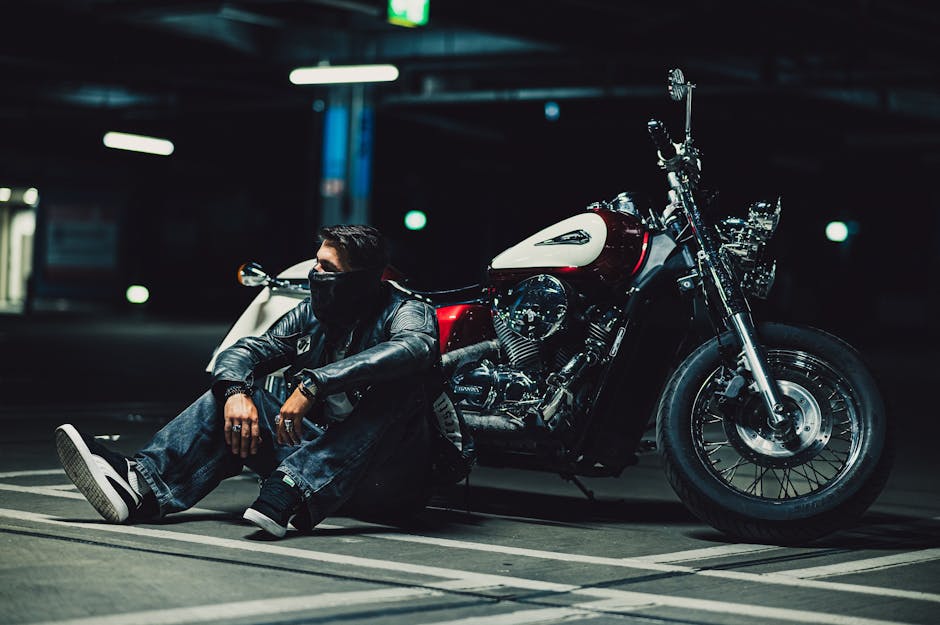
Navigating a rainstorm on two wheels transforms the atmosphere from a transparent medium into a high-velocity hydraulic obstacle course. Unlike a pedestrian carrying an umbrella, a motorcyclist is subjected to the relentless kinetic energy of water droplets accelerated by the bike’s forward momentum. At highway speeds, rain does not simply “fall”; it strikes with the force of a pressure washer. This environment creates a unique set of demands on apparel that go far beyond basic waterproofing. Choosing the best motorcycle raincoat is a strategic decision that balances fluid dynamics, thermal regulation, and mechanical durability against the unpredictable nature of the elements. It is an essential component of a rider’s lifestyle, ensuring that a change in weather does not necessitate a change in plans.
Analyzing the Hydrodynamic Challenges of High-Speed Riding
Riding a motorcycle in the rain involves physics that standard rainwear is simply not designed to handle. When you are standing still, rain falls at a terminal velocity of about 20 mph. However, when you are traveling at 70 mph on a highway, the relative velocity of those water droplets increases significantly. This creates a stagnation pressure that can force water through the microscopic pores of even high-quality outdoor jackets. Choosing the best motorcycle raincoat requires an understanding of how materials behave under mechanical stress and wind pressure. It is not merely about staying dry; it is about managing moisture vapor from the inside while resisting hydraulic force from the outside.
The concept of “stagnation pressure” is critical here. As air hits the rider’s chest, it comes to a complete stop, converting its kinetic energy into pressure. If that air is saturated with water, the pressure acts to push the liquid through the fabric’s weave. While a standard raincoat might withstand a light drizzle while walking, the same garment will likely fail within minutes at 60 mph as the water is literally hammered into the fibers. This is why motorcycle-specific gear often features reinforced chest panels and specialized storm flaps over the zippers.
Technical Performance Metrics: Hydrostatic Head and MVTR
The efficacy of a motorcycle rain suit is determined by two primary metrics: the hydrostatic head rating and the moisture vapor transmission rate (MVTR). Most riders overlook these numbers, yet they are the only objective way to measure performance before a storm hits. A hydrostatic head of 10,000mm is often cited as the baseline for “waterproof,” but for motorcycling, this is insufficient. At highway speeds, the pressure exerted by wind and rain can exceed the resistance of lower-tier membranes. For serious all-weather riding, look for ratings closer to 20,000mm.
Quantifying Hydrostatic Pressure and PSI
Hydrostatic head measurement involves placing a column of water over a fabric and seeing how high the water can climb before it leaks through. A 20,000mm rating means the fabric can withstand a 20-meter column of water. In the context of a motorcycle, this resistance is necessary because wind pressure acts as a force multiplier. To put this in perspective, a 70 mph wind creates roughly 1.4 to 2 pounds per square inch (PSI) of pressure. While that sounds low, it is enough to push water through fabrics that are only rated for “water resistance” rather than true waterproofing. Cheap PVC suits offer high waterproofness but zero breathability, leading to the “greenhouse effect” where you become as wet from sweat as you would have been from the rain.
The Science of Breathability and Vapor Transfer
Breathability is measured in grams of water vapor that can pass through a square meter of fabric in 24 hours (g/m²/24h). High-end membranes like Gore-Tex or Rev’it!’s Hydratex allow sweat to escape while blocking liquid water. This is vital because damp skin loses heat 25 times faster than dry skin. If your rain gear does not breathe, you risk hypothermia even if the external water is kept at bay. A rating of 10,000g/m²/24h is acceptable, but 20,000g/m²/24h is the gold standard for active riding. This high rating ensures that even during strenuous maneuvers or in humid conditions, the microclimate inside your suit remains dry and comfortable.
| Material Type | Waterproof Rating | Breathability | Typical Price Range | Best Use Case |
|---|---|---|---|---|
| PVC (Polyvinyl Chloride) | 20,000mm+ | 0 g/m² | $40 – $70 | Short, low-speed commutes |
| PU Coated Nylon | 10,000mm – 15,000mm | 5,000g – 10,000g | $80 – $150 | General touring and daily use |
| ePTFE (Gore-Tex) | 28,000mm+ | 20,000g+ | $200 – $500 | Long-distance, high-speed travel |
Comparing Top-Tier Heavy-Duty One-Piece Rain Suits
Touring riders require gear that can be donned quickly on the side of a highway and withstand hours of continuous saturation. The construction of these suits typically favors a one-piece design to eliminate the “gap” between jacket and pants, which is a common failure point where water pools in the rider’s lap. However, the trade-off is the difficulty of entry. Manufacturers have solved this with long, diagonal zippers that run from the neck to the knee, allowing the rider to step in without removing their boots.
Rev’it! Pacific 3 H2O One-Piece Suit
The Rev’it! Pacific 3 H2O is a benchmark in the one-piece category. Retailing for approximately $119.99, it uses a PVC-free polyester shell with a PU coating. The design focuses on ease of use, featuring an extra-long diagonal zipper that allows a rider to step into the suit without removing their boots. The fit is intentionally oversized to accommodate bulky armored leather or textile jackets underneath. It features a 100% waterproof outer shell and includes a convenient storage bag.
- Technical Specs: Polyester construction with PU coating; EN343 certified for waterproofness; 3M Scotchlite reflectivity.
- Pro: Exceptional visibility with 3M Scotchlite reflective panels and a non-stick coating on the inner surface for easier entry over leather gear.
- Con: The bulk. When folded, it takes up significant space in a pannier or top box, making it less ideal for riders with limited storage.
Klim Forecast Jacket and Pants
For those who prefer a two-piece system but refuse to compromise on technical specs, the Klim Forecast is the premium choice. Priced at roughly $249.99 for the jacket and $249.99 for the pants, it utilizes Gore-Tex Paclite technology. Unlike the Rev’it! suit, this is a highly technical shell designed to be as small and light as possible while remaining 100% waterproof. It is one of the few rain-specific garments that offers genuine high-level breathability, making it suitable for off-road use where physical exertion is higher.
- Technical Specs: Gore-Tex Paclite 2-layer technology; YKK water-resistant zippers; 3M Scotchlite C790 Carbon Black Matte reflective material.
- Pro: Guaranteed to Keep You Dry® Gore-Tex promise and incredibly small pack size that can fit into a small tail bag.
- Con: The price point is prohibitive for many, and the thin material offers zero abrasion resistance if used without armor underneath.
Evaluating Lightweight Solutions for Commuters
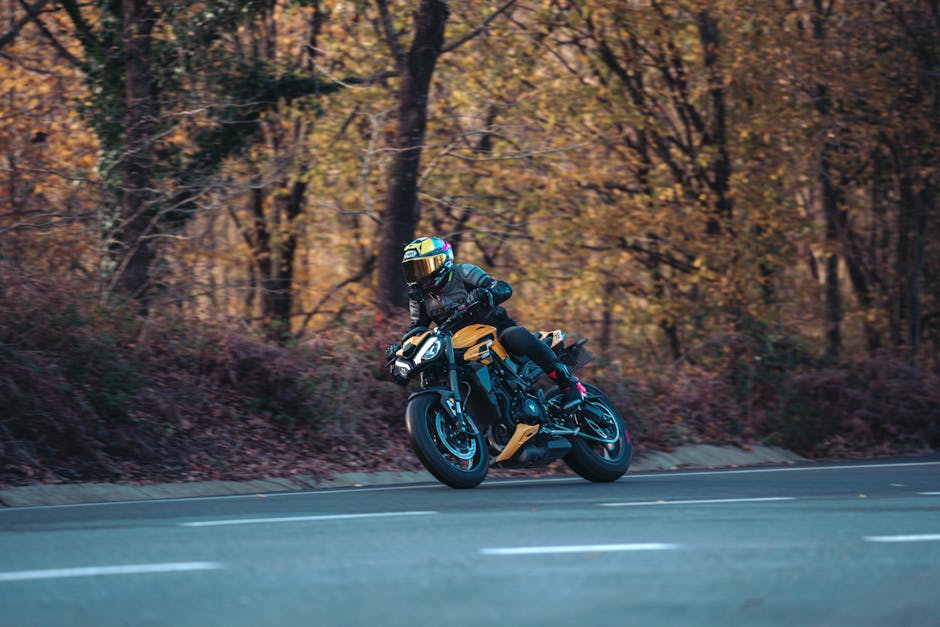
Commuters often deal with “variable” weather where a heavy-duty suit is overkill. They need something that can sit in a backpack for weeks and then be deployed for a 20-minute ride home. In these scenarios, the focus shifts from extreme endurance to packability and weight. A lightweight suit should not feel like a plastic bag; it should have enough structure to prevent flapping at speed, which can be incredibly distracting and fatiguing for the rider.
Alpinestars Hurricane Rain Jacket
The Alpinestars Hurricane is a dedicated lightweight shell that retails for about $109.95. It is constructed from ultra-light, PU-coated poly-nylon fabric that has been specially treated to prevent it from sticking to leather gear. It includes its own transport bag, which compresses the jacket down to the size of a large grapefruit. The seams are twin-stitched and tape-sealed to ensure no water ingress at the needle holes, which is where most lightweight jackets fail.
- Technical Specs: Poly-nylon fabric; tape-sealed seams; elasticated cuffs and waist; high-visibility colorways available.
- Pro: Includes a versatile adjustment system on the arms and waist to prevent material flapping at high speeds.
- Con: Lacks external pockets, which can be frustrating if you need to access a toll card or garage remote quickly in a storm.
Nelson-Rigg Stormrider Rain Suit
If budget is the primary constraint, the Nelson-Rigg Stormrider is a staple of the market, usually priced around $59.95 for the full two-piece set. It is made from a soft polyester backing with a PVC outer. While it lacks the breathability of more expensive membranes, it is undeniably effective at blocking water. It is a functional, no-frills option for riders who only occasionally find themselves caught in the rain and need a reliable “emergency” layer.
- Technical Specs: PVC-backed polyester; two-piece design; heat shields on lower inner legs to prevent melting on exhaust pipes.
- Pro: Extremely affordable and includes both jacket and pants in one package; features cooling vents under the arms.
- Con: The PVC construction is heavy and can cause significant sweating in temperatures above 65°F (18°C) due to lack of breathability.
The most common failure point in motorcycle rain gear is not the fabric itself, but the “wicking” that occurs at the neck, wrists, and ankles. If your gloves are tucked under your sleeves, water can run down your arm and into the glove. If they are over the sleeves, water can run into the cuff. Proper layering and interface management are as important as the gear itself.
The Mechanical Integrity of Seams and Closure Systems
A rain jacket is only as waterproof as its weakest point, which is almost always the seams. Every time a needle passes through fabric, it creates a hole. In a standard garment, these holes are negligible, but at 70 mph in a downpour, they are entry points for moisture. High-quality motorcycle rain gear utilizes “seam taping,” where a waterproof thermoplastic tape is heat-welded over the seams on the inside of the garment. When inspecting gear, always look for the “fully taped seams” specification.
Zippers are another critical failure point. Standard zippers are essentially a series of holes held together by plastic teeth. To combat this, manufacturers use “water-resistant” zippers (like the YKK AquaGuard) which feature a PU coating over the teeth. However, even these can fail under high pressure. The most reliable solution is a “storm flap”—a piece of waterproof fabric that folds over the zipper and secures with Velcro or snaps. This creates a labyrinth seal that prevents wind-driven rain from ever reaching the zipper itself.
Optimizing Visibility and Passive Safety Features
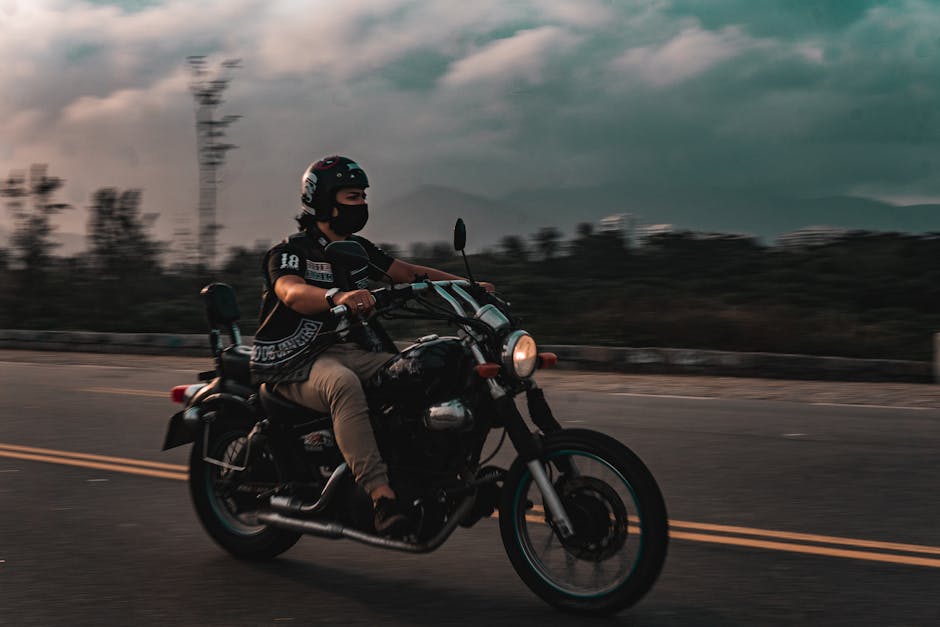
Rain significantly reduces visibility for all road users. For a motorcyclist, who already has a smaller profile, being seen is a matter of survival. The best motorcycle raincoats integrate passive safety features that go beyond simple “high-vis” colors. While neon yellow or orange is helpful during the day, these colors lose their efficacy at night or in heavy gray fog. This is where retro-reflective materials become essential.
Retro-reflective panels, such as those made by 3M, work by reflecting light back to its source (the car’s headlights) with minimal scattering. Look for rain gear that features “bio-motion” reflective patterns. These are strips placed on moving parts of the body, like the elbows and knees. When a driver sees two moving points of light, their brain recognizes it as a human figure much faster than a static block of reflective material. Furthermore, ensure the reflective elements are positioned so they are not obscured by your bike’s fairings or your luggage.
Long-term Maintenance Protocols for Technical Membranes
Waterproof gear is not a “buy once and forget” investment. Most high-quality raincoats use a DWR (Durable Water Repellent) coating on the outer fabric. This coating causes water to bead up and roll off. When the DWR wears off, the outer fabric becomes saturated—a condition known as “wetting out.” While the internal membrane may still be waterproof, a saturated outer layer prevents breathability and makes the jacket feel heavy and cold. Restoring this beading effect is the most critical part of maintenance.
The Cleaning Process for Technical Fabrics
Never use standard laundry detergents on technical rain gear. Standard detergents are designed to break down oils and can leave behind hydrophilic (water-attracting) residues that kill the DWR. Instead, use a dedicated tech wash, such as Nikwax Tech Wash or Grangers Performance Wash. Wash the garment on a gentle cycle with cold water. If the care label allows, a short tumble dry on low heat (usually 20 minutes) can actually help reactivate the existing DWR by realigning the polymer chains in the coating.
Re-proofing the Waterproof Membrane
When washing no longer restores the beading effect, it is time to apply a new DWR coating. You can use a spray-on product
Best Hats for Men 2024: Technical Performance and Style Analysis
Selecting headwear is a functional decision driven by environmental protection requirements and facial geometry. The efficacy of a hat is measured by its material composition, construction durability, and its ability to regulate temperature while providing a specific aesthetic silhouette. A well-constructed hat serves as a tool for climate control as much as a stylistic finishing point. Data suggests that the market for men’s headwear has bifurcated into two distinct segments: high-performance technical gear designed for outdoor utility and heritage-based accessories that prioritize traditional craftsmanship. Understanding the distinctions between felt weights, straw weaves, and synthetic moisture-wicking properties is essential for an informed acquisition.
| Model | Material | Primary Use | Approx. Price |
|---|---|---|---|
| Tilley LTM6 Airflo | Nylamtium (Nylon) | Sun Protection | $95 |
| Filson Watch Cap | 100% Virgin Wool | Cold Weather | $50 |
| Stetson Stratoliner | Royal Quality Fur Felt | Formal/Travel | $200 |
| Ebbets Field Authentic | Wool Broadcloth | Casual/Heritage | $54 |
| Lock & Co. Panama | Toquilla Straw | Summer Formal | $380 |
What are the best hats for men for sun protection?
Sun protection is a primary functional requirement for headwear, particularly for individuals engaging in prolonged outdoor activities. The Skin Cancer Foundation recommends a brim width of at least three inches to provide adequate coverage for the face, ears, and neck. However, the material’s Ultraviolet Protection Factor (UPF) is the most critical metric. A UPF 50+ rating indicates that the fabric allows less than 1/50th of the sun’s UV radiation to reach the skin. This is achieved through dense weaving or chemical treatments that absorb UV rays.
Tilley LTM6 Airflo
The Tilley LTM6 Airflo is engineered for high-intensity sun exposure and humid environments. It is constructed from Nylamtium, a form of durable nylon that is resistant to water and mildew. The design features a 3/4-inch mesh insert around the crown, which facilitates heat dissipation through convective cooling. This is a critical feature for maintaining thermal comfort in temperatures exceeding 30 degrees Celsius.
- Price: Approximately $95
- Pros: Certified UPF 50+; includes a hidden pocket for identification; lifetime guarantee against wear and tear.
- Cons: The aesthetic is strictly utilitarian, making it unsuitable for urban formal environments; the crown can feel heavy when fully saturated with water.
Ventilation and moisture management are secondary but vital considerations. In performance headwear, a moisture-wicking sweatband—often made from synthetic microfibers or treated cotton—is necessary to prevent perspiration from reaching the eyes. The structural integrity of the brim also matters. A brim that flops in high winds fails to provide consistent shade. The Tilley LTM6 addresses this with a multi-stitched brim that maintains its shape even when wet. For those prioritizing weight, the Outdoor Research Sombriolet ($45) offers a lighter alternative using ripstop polyester, though it lacks the long-term durability of the Tilley.
The mechanical properties of a hat’s brim determine its wind resistance. A wider brim acts as a sail; therefore, hats designed for marine or windy environments must include a secure chin strap or a tension-adjustable headband.
Best cold-weather hats for men: Comparing wool, cashmere, and synthetic blends
Thermal regulation in cold climates relies on the loft and insulation properties of the material. Natural fibers, specifically wool, are superior due to their ability to retain heat even when damp. Wool fibers have a natural crimp that creates small air pockets, providing a thermal barrier. Furthermore, wool is hygroscopic; it can absorb up to 30% of its weight in moisture without feeling wet to the touch. This makes it ideal for fluctuating activity levels where perspiration might occur.
Filson Watch Cap
The Filson Watch Cap is a benchmark in the category of heavy-duty winter headwear. It is composed of 100% virgin wool, which is sourced from the first shearing of sheep. This results in longer, stronger fibers that provide better insulation than recycled wool or wool blends. The cap uses a heavy-gauge knit pattern that allows for significant stretch while maintaining its original shape over years of use.
- Price: Approximately $50
- Pros: Exceptional warmth-to-weight ratio; natural water repellency; retains heat when wet.
- Cons: The raw wool texture can be abrasive for users with sensitive skin; requires hand-washing to prevent shrinkage.
Synthetic alternatives, such as acrylic or polyester fleece, are often preferred for high-aerobic activities like winter running or cross-country skiing. Synthetics dry faster than wool and are generally lighter. However, they lack the odor-resistance of natural fibers. Bacteria thrive on synthetic surfaces, whereas the lanolin and protein structure of wool inhibits bacterial growth. For a middle ground, the Arc’teryx Bird Head Toque ($40) utilizes a blend of wool and acrylic with a thermal fleece under-band, optimizing for both comfort and performance.
Cashmere represents the luxury end of the spectrum. It is significantly softer than sheep’s wool and provides three times the insulation. However, it lacks the durability required for rugged use. A cashmere hat is a stylistic choice for urban environments where the wearer transitions between climate-controlled spaces and the outdoors. It is prone to pilling and loses structural integrity faster than a dense wool knit.
Best casual hats for daily wear: Baseball caps vs. Five-panels
The baseball cap has evolved from a 19th-century utility item into the dominant form of global headwear. Its construction is defined by the number of panels and the structure of the crown. A 6-panel cap with a reinforced buckram front is considered “structured,” providing a consistent silhouette regardless of head shape. An “unstructured” cap, often referred to as a dad hat, conforms to the wearer’s cranium, offering a more relaxed aesthetic. The choice between these depends on the wearer’s facial proportions; structured hats can balance larger features, while unstructured hats are less intrusive.
Ebbets Field Flannels Authentic Ballcap
Ebbets Field Flannels specializes in mid-20th-century reproductions. Unlike modern mass-produced caps made from polyester, these are constructed from 12.5-ounce wool broadcloth. This material is historically accurate and offers better breathability and durability than synthetic counterparts. The visors are made from genuine hair cloth, which allows for a natural curve that stays in place.
- Price: Approximately $54
- Pros: Superior material quality; historic authenticity; ages well with a natural patina.
- Cons: The wool broadcloth can be too warm for mid-summer use; strictly professional cleaning recommended to avoid warping the internal components.
Five-panel caps, or “camp caps,” offer a lower profile and a more modern, technical aesthetic. They are often constructed from lightweight nylon or cotton twill. Because the panels run horizontally across the top of the head, they offer a closer fit that is less likely to be dislodged during physical activity. The Carhartt Firm Duck Flat Brim ($20) is a representative example of a high-durability casual hat. Using the same 12-ounce cotton duck as their work jackets, it is nearly indestructible but requires a significant break-in period before it becomes comfortable.
When selecting a casual hat, the closure mechanism is a neglected detail. Plastic snapbacks offer quick adjustment but have a finite lifespan. Leather straps with brass buckles provide greater longevity and a more refined appearance. For maximum comfort, “fitted” hats—which lack an adjustment mechanism—are preferred, provided the user knows their exact head circumference in centimeters or inches.
Formal and semi-formal headwear: When to choose a Fedora, Panama, or Flat Cap
Traditional headwear requires a higher level of material knowledge. The Fedora and the Flat Cap are the two primary pillars of formal headwear. A Fedora is characterized by a creased crown and a flexible brim, typically made from felt. The quality of the felt is determined by the source: wool felt is the entry-level option, while fur felt (usually rabbit or beaver) is the premium standard. Fur felt is more water-resistant, holds its shape better, and can be refurbished multiple times over decades.
Stetson Stratoliner
The Stetson Stratoliner is a classic mid-century design originally marketed to air travelers. It is made from Royal Quality fur felt, which is soft to the touch yet remarkably resilient. The brim is 2.5 inches wide, which provides a balance between sun protection and urban style. Its low crown height makes it accessible for men who are new to wearing brimmed hats, as it does not add excessive verticality to the silhouette.
- Price: Approximately $200
- Pros: High-grade fur felt construction; naturally water-repellent; classic aesthetic that pairs well with suits or overcoats.
- Cons: High initial investment; requires specialized storage (a hat box) to maintain the brim shape.
For summer formal occasions, the Panama hat is the correct choice. Despite the name, genuine Panama hats are woven in Ecuador from Toquilla straw. The quality is measured by the “montecristi” count—the number of weaves per square inch. A high-count Panama can take months to weave and can be rolled for travel without cracking. The Lock & Co. Sandwich Panama ($380) represents the pinnacle of this craft. It is lightweight, breathable, and provides a level of cooling that synthetic straw cannot match.
Flat caps (or newsboy caps) offer a semi-formal alternative that is less conspicuous than a brimmed hat. Usually made from tweed or linen, they are ideal for transitional seasons. A Harris Tweed flat cap provides excellent wind resistance and warmth for autumn, while a linen version facilitates airflow in the spring. The key to a proper flat cap is the “snap” on the brim, which allows the wearer to adjust the profile based on their preference.
Technical hat maintenance: How to clean and preserve different hat materials
The longevity of a hat is directly proportional to the maintenance routine. Different materials require specific chemical and mechanical approaches to cleaning. Improper cleaning can lead to shrinkage, loss of structural integrity, or permanent staining. The most common issue is salt buildup from perspiration, which can degrade fibers over time.
Maintenance Protocols by Material
- Wool and Fur Felt: Never use hot water. Use a soft-bristled horsehair brush to remove surface dust, brushing in a counter-clockwise direction. For stains, use a specialized felt sponge. If the hat loses its shape, it can be reshaped using steam from a kettle, which softens the fibers and allows for manual manipulation.
- Straw: Straw is prone to drying out and becoming brittle. It should be kept away from direct heat sources. To clean, wipe with a damp cloth and a very mild soap solution. Never soak a straw hat, as it can cause the fibers to swell and distort the weave.
- Cotton and Synthetics: Most baseball caps can be hand-washed in cool water with a mild detergent. Avoid the dishwasher, as the high heat and harsh chemicals can destroy the brim’s internal stiffener (which is often made of cardboard in cheaper hats or plastic in higher-end ones).
Storage is equally important. Hats with brims should be stored upside down on their crowns or on a dedicated hat hook that supports the weight without distorting the shape. For long-term storage, a hat box is necessary to prevent dust accumulation and protection from moths, especially for wool and fur felt. Using a cedar block inside the storage area is a non-chemical way to deter pests.
Sweatband maintenance is the final piece of the puzzle. For non-removable sweatbands, a mixture of water and a small amount of hydrogen peroxide can help lift organic stains. Always air-dry hats at room temperature. Forced heat from a hair dryer or radiator will cause natural fibers to contract, leading to a permanent reduction in size. If a hat has shrunk slightly, a mechanical hat stretcher can be used in conjunction with steam to regain the original dimensions.
Ultimately, the best hat for any man is one that meets the specific environmental demands of his lifestyle while respecting the material properties required for durability. Whether it is a $20 work cap or a $400 hand-woven Panama, the value is found in the construction and the subsequent care provided by the owner.

Best Overalls 2024: Durable Workwear and Fashionable Lifestyle Bibs Compared
You are standing in a drafty warehouse or perhaps a sun-drenched garden, tugging at a waistband that refuses to stay put. Every time you reach for a tool or a low-hanging branch, your shirt un-tucks, and your trousers migrate south. This is the exact moment when the utility of the bib overall becomes undeniable. For over a century, this garment has served as the definitive solution for those who require their clothing to stay in place regardless of physical exertion. But the market has branched out. No longer just the uniform of the railroad engineer or the mid-century farmer, overalls have bifurcated into two distinct worlds: the high-performance workwear designed to survive a construction site and the lifestyle bib designed for aesthetic versatility and comfort.
Choosing the right pair requires more than just picking a brand name you recognize. It involves an analysis of fabric weight, the geometry of the bib, and the specific tensile strength of the hardware. A pair of overalls that feels great in a climate-controlled coffee shop will likely fail you during a weekend of fence-post digging. Conversely, the heavy 12-ounce duck canvas required for professional masonry is often too stiff and restrictive for a casual Saturday at the farmers’ market. To find the best overalls for your specific needs, we must examine the intersection of textile science and ergonomic design.
What are the technical specifications of high-quality overalls?
When evaluating the best overalls, the first metric to consider is fabric weight, typically measured in ounces per square yard. Most standard denim jeans hover around 10 to 12 ounces. High-end work overalls often push this to 13 or 14 ounces of cotton duck canvas. Cotton duck is not related to the bird; the term comes from the Dutch word ‘doek,’ meaning linen cloth. This material is woven with two yarns together in the warp and a single yarn in the fill, creating a surface that is exceptionally resistant to snags and tears. If you are looking for longevity, the weave density is your primary indicator of value.
Understanding Stitching and Hardware Durability
The second point of failure in most lower-quality bibs is the hardware. The buckles and slides—the metal components that keep the straps attached to the bib—should ideally be made of brass or heavy-duty plated steel. Avoid plastic adjusters at all costs; they lack the friction-lock capabilities of metal and will inevitably crack under tension. Furthermore, look for triple-needle stitching along the main seams. This involves three parallel rows of stitching that reinforce the garment’s structural integrity. In high-stress areas like the crotch and the base of the bib, bar tacks (closely spaced zig-zag stitches) or copper rivets should be present to prevent the fabric from pulling apart under pressure.
- Fabric Weight: Look for 12oz+ for heavy work, 8-10oz for lifestyle.
- Reinforcement: Double-front knees are essential for manual labor involving kneeling.
- Pocket Geometry: A functional chest pocket should have a secure closure (zipper or snap) to prevent items from falling out when you lean forward.
Another nuance often overlooked is the ‘hand’ of the fabric. Raw canvas is notoriously stiff—standing up on its own in some cases—and requires a significant break-in period. Many lifestyle brands use ‘garment-dyed’ or ‘sandwashed’ fabrics that provide a soft, lived-in feel from day one. While this increases immediate comfort, the processes used to soften the fabric can slightly reduce its total lifespan. It is a trade-off between the immediate gratification of comfort and the long-term investment of a garment that molds to your body over years of use.
Best heavy-duty work overalls for durability and utility

For those whose daily routine involves abrasion, grease, or heavy lifting, the requirements for overalls are non-negotiable. The garment is a tool, not just an accessory. In this category, the focus is on protection and storage. We analyzed several industry standards to determine which models provide the most utility per dollar spent. The consensus among professional tradespeople frequently points toward heritage brands that have maintained their manufacturing standards despite global supply chain shifts.
| Model | Material | Approx. Price | Key Feature |
|---|---|---|---|
| Carhartt R01 Duck Bib | 12oz Firm Duck Cotton | $89.99 | Double-layer knees with cleanout bottoms |
| Dickies 83294 Indigo Bib | 11.75oz Denim | $44.99 | Large bib pocket with pencil stall |
| Round House American Made | 12oz Fine Weave Drill | $65.00 | Traditional high-back design |
Carhartt R01 Firm Duck Bib Overalls
The Carhartt R01 is the benchmark by which all other work bibs are measured. Constructed from 12-ounce, 100% cotton firm hand duck, these are built for the harshest environments. The ‘firm hand’ designation means they have not been pre-washed, so they arrive stiff. The primary advantage of the R01 is the double-front construction, which features a second layer of fabric over the thighs and knees. These panels include ‘cleanout bottoms’ that allow you to insert knee pads or simply shake out accumulated sawdust and dirt.
However, there is a distinct disadvantage: the break-in period. You will likely feel restricted for the first five to ten wears. Some users recommend washing them with a cup of vinegar to help soften the fibers without damaging the integrity of the canvas. The fit is also quite generous to allow for layering over heavy flannels or hoodies, so if you prefer a modern, slim silhouette, these will feel excessively bulky. Price: ~$90. Pro: Unmatched durability and knee pad compatibility. Con: Extremely stiff out of the box and runs very large.
Dickies 83294 Indigo Denim Overalls
If the Carhartt is the heavy tank of the world, the Dickies 83294 is the reliable utility vehicle. At roughly half the price, these offer significant value. The 11.75-ounce denim is slightly lighter and more flexible than duck canvas, making them a better choice for mechanics or carpenters who need to move and twist frequently. They feature a ‘crossover’ high-back style that prevents the straps from sliding off the shoulders—a common annoyance in cheaper designs. Pro: Exceptional price-to-performance ratio and comfortable movement. Con: Thinner denim will eventually wear through at the inner thighs and pockets faster than heavy canvas. Price: ~$45.
Best lifestyle and fashion overalls for comfort and style
The transition of overalls from the job site to the street has led to a surge in ‘lifestyle’ bibs. These garments prioritize silhouette, drape, and immediate comfort over the ability to withstand a grinder’s sparks. In this category, we look for fabrics like hemp blends, lightweight selvedge denim, and stretch-infused cotton. The goal here is a garment that looks intentional—not like you’ve just finished a shift at a coal mine, unless that is specifically the aesthetic you are chasing.
Patagonia Iron Forge Hemp Bib Overalls
Patagonia has successfully bridged the gap between serious utility and sustainable fashion with their Iron Forge line. These are made from a 12.9-ounce blend of industrial hemp, recycled polyester, and organic cotton. Hemp is a remarkable fiber; it is significantly stronger than cotton and has a natural resistance to abrasion. The standout feature here is the comfort-to-strength ratio. Unlike pure cotton duck, the hemp blend feels supple almost immediately while maintaining a higher tensile strength than standard denim. Price: ~$119. Pro: Environmentally conscious materials and incredibly durable fabric. Con: The price point is significantly higher than traditional workwear brands.
The Iron Forge overalls are often cited by professional gardeners and arborists for their breathability in high-heat environments, a common failing of heavy 100% cotton canvas.
Levi’s Heritage Overall
Levi’s takes a more stylistic approach, often drawing from their massive archive of 20th-century designs. Their lifestyle overalls usually feature a 10-ounce denim, which is light enough to wear in the summer without overheating. The cut is typically more tapered through the leg compared to the ‘stovepipe’ legs of workwear brands. This makes them much easier to pair with sneakers or low-profile boots. Pro: Classic aesthetic and a more ‘normal’ fit that doesn’t require sizing down. Con: Lacks the heavy reinforcement needed for actual manual labor; the pockets are often smaller and less functional. Price: ~$98.
When selecting a lifestyle pair, pay close attention to the ‘wash.’ A dark indigo or ‘raw’ look provides a cleaner, more sophisticated appearance that can almost pass for a coordinated set when paired with a matching jacket. Lighter, distressed washes are strictly casual. If you are aiming for a versatile wardrobe, a medium-wash denim with minimal distressing offers the most utility across different seasons. The key is to ensure the bib height is proportional to your torso; a bib that sits too low can make your proportions look bottom-heavy, while one that sits too high can feel restrictive around the neck.
How to size and style overalls for different body types
Sizing overalls is notoriously difficult because they do not follow the standard waist-and-inseam logic of trousers. Because the waist of the overall is not where your actual waist sits, you cannot simply buy your jean size. Most manufacturers recommend measuring around the fullest part of your stomach. If you plan on wearing a heavy sweatshirt underneath, you typically need to add 2 to 4 inches to your measured waist size. The ‘bib’ also adds a vertical dimension; if you have a long torso, you may need ‘tall’ sizing to prevent the shoulder straps from digging in, even at their maximum extension.
The Art of Layering and Footwear
Styling overalls is an exercise in balancing volumes. Because overalls add significant visual weight to the center of the body, the layers underneath should be relatively fitted. A bulky sweater under a pair of heavy duck bibs can make the wearer look spherical. Instead, consider a thermal henley or a fitted flannel. For footwear, the choice should be dictated by the leg opening. Wide-leg work bibs require a substantial boot—think a classic 6-inch moc toe—to keep the proportions balanced. Slimmer lifestyle bibs can be paired with high-top sneakers or even Chelsea boots for a more refined look.
- The ‘One Strap’ Look: While popular in the 90s, this is generally impractical for anything other than a very specific editorial look. It causes the weight of the garment to hang unevenly, which can lead to back strain over a long day.
- Cuffing: Most overalls come with a long inseam. Instead of hemming them, a thick ‘railroad cuff’ (a 2-3 inch fold) is historically accurate and adds weight to the bottom of the leg, helping the garment drape better.
- The Jacket Overlay: Wearing a chore coat over overalls is a classic ‘triple-denim’ look. To make this work, ensure the jacket is a different shade or texture than the overalls to avoid looking like you’re wearing a costume.
Ultimately, the best overalls are the ones that align with your most frequent activity. If you spend your time under the hood of a car, the grease-hiding properties of indigo denim and the tool-loop utility of the Dickies 83294 are your best bet. If you are looking for a durable, sustainable piece for weekend projects and casual outings, the Patagonia Iron Forge offers a level of refinement and material science that justifies its premium. Overalls are a commitment to a specific kind of functionalism. They are perhaps the only garment that gets better as it accumulates the scars of your work—stains, fades, and repairs only add to the narrative of a well-worn pair of bibs.
Best Watches for Men Gift 2024: Analytical Review and Buyer’s Guide
Gifting a timepiece is an exercise in temporal permanence. While most modern gadgets are designed with planned obsolescence in mind, a well-chosen watch stands as one of the few remaining objects that can be passed down through generations. In 2023, Swiss watch exports reached an all-time high of 26.7 billion CHF, a figure that defies the logic of a world where every human carries a hyper-accurate atomic clock in their pocket. This surge suggests that the best watches for men gift are no longer selected for their ability to tell time, but for their capacity to represent engineering, history, and personal identity. When you choose a watch as a gift, you are navigating a complex landscape of mechanical specifications, brand heritage, and aesthetic nuances that can be overwhelming without a structured framework.
What defines the horological value of a gift watch?
Selecting a timepiece requires moving beyond the visual surface. The value of a watch is often found in its movement, the quality of its finishing, and its historical significance. A common mistake is equating a high price tag with quality; in reality, many “fashion brands” mark up low-cost quartz movements in poorly constructed cases. To find the best watches for men gift, one must look for brands with a history of manufacturing—companies like Seiko, Tissot, and Hamilton that offer genuine horological substance.
Finishing refers to how the metal is treated. A high-quality watch will show a mix of brushed and polished surfaces with sharp transitions. If the edges feel mushy or the polishing looks like chrome-plated plastic, the watch lacks longevity. Techniques like Zaratsu polishing (found in higher-end Japanese watches) or perlage and Geneva stripes (found on Swiss movements) indicate a level of care that transcends mass production. Furthermore, the material of the crystal—the glass covering the dial—is a primary indicator of durability. Synthetic sapphire is the gold standard, as it is virtually unscratchable, whereas mineral crystal or Hardlex will inevitably show wear over time. A gift that is meant to last decades should, ideally, feature a sapphire crystal and a movement that can be serviced by a professional watchmaker.
Beyond the physical, there is the “provenance” of the brand. A brand that has survived the Quartz Crisis of the 1970s or supplied watches to explorers and pilots carries a narrative weight. When a man wears a watch, he is often wearing the history associated with it—whether that is the ruggedness of a field watch used in the trenches or the elegance of a dress watch worn at mid-century galas. This narrative connection is what transforms a simple accessory into a cherished heirloom.
Mechanical vs. Quartz: Which movement should you choose?
The movement is the heart of the watch, and the choice between mechanical and quartz is the most significant decision you will make. Mechanical watches—either manual wind or automatic—are powered by a mainspring and a series of gears. They are preferred by enthusiasts because they represent a traditional craft. The sweeping motion of the second hand is a hallmark of these pieces. However, they are less accurate than quartz, typically gaining or losing several seconds per day, and they require servicing every five to ten years.
Quartz movements, powered by a battery and a vibrating quartz crystal, are significantly more accurate and generally more durable. For a man who values “set it and forget it” convenience, a high-quality quartz watch is often the superior choice. It is a misconception that all quartz is cheap; brands like Citizen and Grand Seiko produce high-end quartz movements with incredible thermocompensation and finishing. However, if the gift is intended to be an heirloom, a mechanical movement is usually the preferred path because it can be repaired indefinitely, whereas electronic circuits may eventually fail and become unreplaceable.
| Feature | Mechanical (Automatic) | Quartz |
|---|---|---|
| Accuracy | +/- 5 to 30 seconds per day | +/- 15 seconds per month |
| Power Source | Mainspring (Motion of wrist) | Battery or Solar |
| Longevity | Indefinite (with service) | 20-30 years (electronic limit) |
| Maintenance | Service every 5-10 years | Battery change every 2-5 years |
Best value watches for men under $500
The sub-$500 category is where the most significant competition exists, and it is also where buyers are most likely to be misled by marketing. The goal here is to find “entry-level luxury”—watches that offer the specs of a $1,000 piece at half the cost. The Japanese manufacturers dominate this space through vertical integration, meaning they make almost every component in-house.
Seiko 5 Sports (SRPD Series)
The Seiko 5 Sports line is a staple for a reason. Priced around $275 to $350, these watches utilize the 4R36 automatic movement, which includes hacking (stopping the second hand to set the time precisely) and hand-winding capabilities.
- Specs: 42.5mm case, 13.4mm thickness, 41-hour power reserve, 100m water resistance.
- Pros: Incredible reliability, iconic design language, easy to customize with aftermarket straps.
- Cons: Uses Hardlex crystal instead of sapphire; the “push-pull” crown is less secure than a screw-down version for heavy water use.
Orient Bambino Version 7
For a more formal gift, the Orient Bambino is widely considered the best dress watch under $300. It features a domed crystal and a sophisticated, minimalist dial.
- Specs: 38mm case, F6724 automatic movement, 40-hour power reserve, 30m water resistance.
- Pros: Perfect vintage proportions, in-house Japanese movement, extremely affordable for the quality.
- Cons: The 20mm lug width is standard on this version, but older versions had 21mm widths which are harder to find straps for; water resistance is minimal.
Casio G-Shock GM-2100 “CasiOak”
If the recipient needs something indestructible but stylish, the metal-covered “CasiOak” is the modern standard. Priced at approximately $200, it bridges the gap between a rugged tool and a fashion statement.
- Specs: 44.4mm case (wears smaller), Carbon Core Guard structure, 200m water resistance.
- Pros: Nearly indestructible, incredibly thin for a G-Shock, looks much more expensive than it is.
- Cons: The digital display can be hard to read in low light; the resin strap can feel stiff initially.
The rise of the integrated bracelet sports watch
In the last five years, the “integrated bracelet” look—where the strap or bracelet flows seamlessly into the case—has become the dominant trend in men’s fashion. This style was popularized by high-end icons like the Royal Oak, but it is now accessible at more reasonable price points. These watches are versatile, functioning equally well with a t-shirt or a suit, which makes them one of the best watches for men gift options if you aren’t sure of his specific style.
Tissot PRX Powermatic 80
The Tissot PRX is arguably the most successful watch release of the decade in its price bracket. Retailing for approximately $675 to $725, it offers a Swiss-made automatic movement with a staggering 80-hour power reserve.
- Specs: 40mm or 35mm case options, Nivachron hairspring (anti-magnetic), Sapphire crystal.
- Pros: Exceptional light play on the bracelet, long power reserve, high brand recognition.
- Cons: The 40mm version has a long “effective” lug-to-lug distance, meaning it can feel large on average wrists; the movement is difficult for independent watchmakers to regulate.
Christopher Ward C12 Twelve
For those willing to spend a bit more (around $1,200), the Christopher Ward Twelve offers finishing that rivals watches in the $3,000 range. It features a highly textured dial and a beautifully decorated Sellita SW200-1 movement visible through a sapphire caseback. It is a choice for the man who appreciates “micro-brand” attention to detail over big-name marketing.
Tool watches and the appeal of the field aesthetic
Not every man wants a polished piece of jewelry. Many prefer a “tool watch”—a timepiece designed for a specific function, characterized by legibility, durability, and a matte finish. Field watches, originally designed for military use, are the epitome of this category. They are rugged, easy to read at a glance, and generally look better as they accumulate scratches and wear.
Hamilton Khaki Field Mechanical
The Hamilton Khaki Field Mechanical is a direct descendant of the watches Hamilton produced for the US military during the mid-20th century. Priced around $550, it features a sandblasted steel case that eliminates reflections.
- Specs: 38mm case, H-50 hand-wound movement, 80-hour power reserve, Sapphire crystal.
- Pros: Authentic military heritage, very slim profile, incredible legibility.
- Cons: No automatic winding (must be wound by hand), 50m water resistance is low for a “rugged” watch.
Citizen Promaster Dive (Eco-Drive)
If the recipient is active or spends time near the water, the Citizen Promaster Dive is a technically superior tool. It uses Citizen’s Eco-Drive technology, which converts any light source into energy.
- Specs: 44mm case, ISO-compliant diver, 200m water resistance, Mineral crystal (usually).
- Pros: Never needs a battery change, extremely accurate, legitimate diving tool.
- Cons: The design is very aggressive and utilitarian; it may not pair well with formal attire.
The Luxury Tier: Stepping into the $1,500 to $3,500 range
When the budget expands, you enter the realm of “entry-level luxury.” Here, the movements are more refined, the brand heritage is more prestigious, and the materials are of a higher grade. This is the category most often chosen for milestone gifts like weddings, graduations, or major promotions.
Oris Big Crown Pointer Date
Oris is one of the few remaining independent Swiss brands, meaning they are not owned by a massive conglomerate. The Big Crown Pointer Date (approx. $2,100) is their most iconic design, featuring a unique complication where a central hand points to the date on the outer edge of the dial. It is a sophisticated, intellectual choice for a man who appreciates unique mechanics.
Longines Spirit
Longines has one of the deepest archives in watchmaking history. The Spirit collection (approx. $2,500) celebrates their history with aviation. These watches are COSC-certified chronometers, meaning they have been rigorously tested for accuracy in various temperatures and positions. The level of finishing on the dial, with applied numerals and multi-textured surfaces, is arguably the best in its price class.
Understanding water resistance ratings
One of the most confusing aspects of buying a watch gift is the water resistance rating. A watch labeled “30 meters” cannot actually be taken 30 meters underwater. These ratings are based on static pressure tests in a laboratory, which do not account for the dynamic pressure of moving through water.
| Rating | Real-World Usage |
|---|---|
| 30m / 3 ATM | Splashes, rain only. Do not submerge. |
| 50m / 5 ATM | Showering or brief swimming in a pool. |
| 100m / 10 ATM | Swimming, snorkeling, water sports. |
| 200m / 20 ATM | Scuba diving and serious water impact. |
Common pitfalls: What to avoid when buying a watch gift
The most common mistake is buying a “fashion watch.” These are brands that primarily make clothing or perfume and license their name to cheap watch factories. You are paying for the logo, not the watch. Brands like Daniel Wellington, MVMT, or various high-fashion houses often use $5 movements in $200 cases. If the brand doesn’t have a history in watchmaking, it is usually a poor investment as a gift.
Another pitfall is ignoring the “lug-to-lug” measurement. While case diameter (e.g., 40mm) is the standard metric, the distance from the tip of the top lug to the bottom lug determines how it actually sits on the wrist. If the lugs overhang the wrist, the watch will be uncomfortable and look poorly fitted. Always check if the recipient has a particularly small or large wrist before committing to a size.
Understanding the gray market and authenticity
When searching for the best watches for men gift online, you will likely encounter significant price discrepancies. A watch might be $1,000 at a local jeweler but $700 on a website like Jomashop. This is the “gray market.” These are genuine watches sold by unauthorized dealers. While the savings are tempting, there is a trade-off: you usually do not receive the manufacturer’s official warranty. Instead, you get a warranty from the retailer, which may not have access to genuine parts or factory-trained technicians.
Authenticity is paramount. When buying a luxury gift, ensure the seller provides the original box and papers. For high-end brands like Omega or Rolex, the absence of these documents can reduce the resale value by 20% or more and makes verifying the watch’s history much more difficult.
For gifts under $1,000, the gray market is often a calculated risk worth taking. However, for anything above that threshold, purchasing from an Authorized Dealer (AD) is recommended. The peace of mind that comes with a factory warranty and the assurance of authenticity is worth the premium, especially when the item is intended to be a significant gift. Beware of “too good to be true” prices on platforms like eBay or Amazon from third-party sellers with limited feedback, as counterfeit watches in the $200-$500 range have become increasingly sophisticated.
Maintenance and care: How to make a gift last a lifetime
A mechanical watch is a machine, and like a car, it requires maintenance. To ensure the gift lasts, the recipient should be aware of a few basic rules. First, never set the date on a mechanical watch between 9:00 PM and 3:00 AM. During these hours, the date-change gears are engaged, and manually forcing a change can snap the delicate teeth of the wheels.
Second, if the watch is an automatic, it should be worn regularly or kept on a watch winder to keep the lubricants flowing. If it sits idle for years, the oils can dry up or gum up the movement. Finally, water resistance is not permanent. The rubber gaskets that keep water out will degrade over time. If he plans to swim with the watch, it should be pressure-tested by a watchmaker every two years to ensure the seals are still intact.
Ultimately, the best watches for men gift are those that align with the recipient’s daily life. A mechanical masterpiece is wasted on someone who wants the accuracy of a smartwatch, and a rugged diver is overkill for someone who never leaves the office. By focusing on movement quality, case finishing, and proper sizing, you ensure that the gift is not just a temporary accessory, but a permanent fixture of his wardrobe.