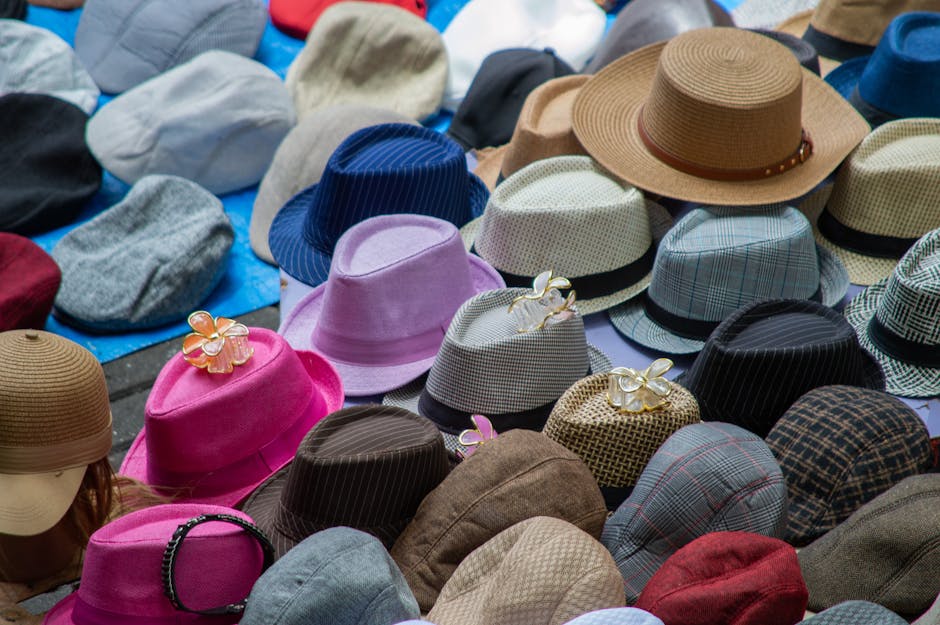
Selecting headwear is a functional decision driven by environmental protection requirements and facial geometry. The efficacy of a hat is measured by its material composition, construction durability, and its ability to regulate temperature while providing a specific aesthetic silhouette. A well-constructed hat serves as a tool for climate control as much as a stylistic finishing point. Data suggests that the market for men’s headwear has bifurcated into two distinct segments: high-performance technical gear designed for outdoor utility and heritage-based accessories that prioritize traditional craftsmanship. Understanding the distinctions between felt weights, straw weaves, and synthetic moisture-wicking properties is essential for an informed acquisition.
| Model | Material | Primary Use | Approx. Price |
|---|---|---|---|
| Tilley LTM6 Airflo | Nylamtium (Nylon) | Sun Protection | $95 |
| Filson Watch Cap | 100% Virgin Wool | Cold Weather | $50 |
| Stetson Stratoliner | Royal Quality Fur Felt | Formal/Travel | $200 |
| Ebbets Field Authentic | Wool Broadcloth | Casual/Heritage | $54 |
| Lock & Co. Panama | Toquilla Straw | Summer Formal | $380 |
What are the best hats for men for sun protection?
Sun protection is a primary functional requirement for headwear, particularly for individuals engaging in prolonged outdoor activities. The Skin Cancer Foundation recommends a brim width of at least three inches to provide adequate coverage for the face, ears, and neck. However, the material’s Ultraviolet Protection Factor (UPF) is the most critical metric. A UPF 50+ rating indicates that the fabric allows less than 1/50th of the sun’s UV radiation to reach the skin. This is achieved through dense weaving or chemical treatments that absorb UV rays.
Tilley LTM6 Airflo
The Tilley LTM6 Airflo is engineered for high-intensity sun exposure and humid environments. It is constructed from Nylamtium, a form of durable nylon that is resistant to water and mildew. The design features a 3/4-inch mesh insert around the crown, which facilitates heat dissipation through convective cooling. This is a critical feature for maintaining thermal comfort in temperatures exceeding 30 degrees Celsius.
- Price: Approximately $95
- Pros: Certified UPF 50+; includes a hidden pocket for identification; lifetime guarantee against wear and tear.
- Cons: The aesthetic is strictly utilitarian, making it unsuitable for urban formal environments; the crown can feel heavy when fully saturated with water.
Ventilation and moisture management are secondary but vital considerations. In performance headwear, a moisture-wicking sweatband—often made from synthetic microfibers or treated cotton—is necessary to prevent perspiration from reaching the eyes. The structural integrity of the brim also matters. A brim that flops in high winds fails to provide consistent shade. The Tilley LTM6 addresses this with a multi-stitched brim that maintains its shape even when wet. For those prioritizing weight, the Outdoor Research Sombriolet ($45) offers a lighter alternative using ripstop polyester, though it lacks the long-term durability of the Tilley.
The mechanical properties of a hat’s brim determine its wind resistance. A wider brim acts as a sail; therefore, hats designed for marine or windy environments must include a secure chin strap or a tension-adjustable headband.
Best cold-weather hats for men: Comparing wool, cashmere, and synthetic blends
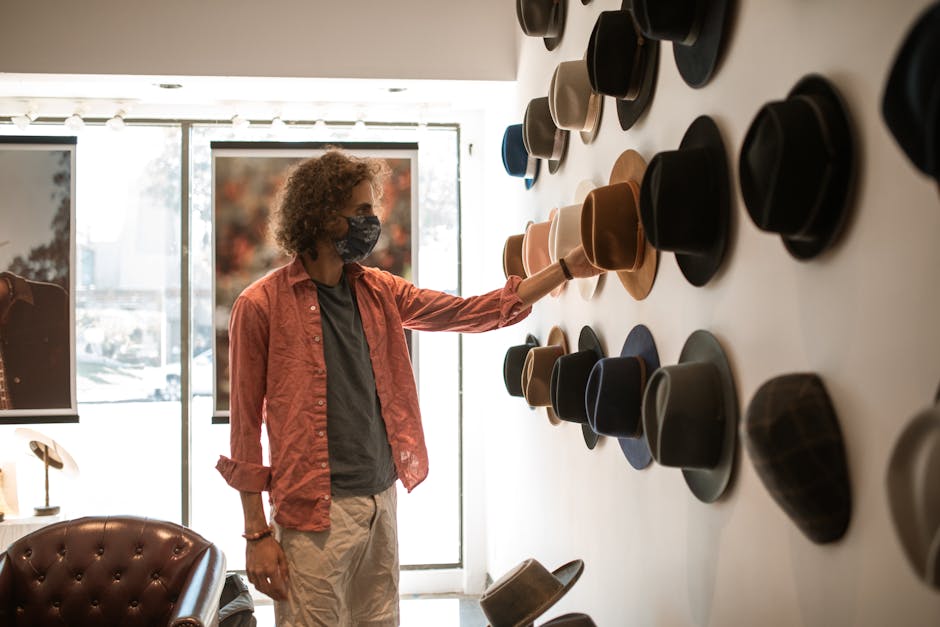
Thermal regulation in cold climates relies on the loft and insulation properties of the material. Natural fibers, specifically wool, are superior due to their ability to retain heat even when damp. Wool fibers have a natural crimp that creates small air pockets, providing a thermal barrier. Furthermore, wool is hygroscopic; it can absorb up to 30% of its weight in moisture without feeling wet to the touch. This makes it ideal for fluctuating activity levels where perspiration might occur.
Filson Watch Cap
The Filson Watch Cap is a benchmark in the category of heavy-duty winter headwear. It is composed of 100% virgin wool, which is sourced from the first shearing of sheep. This results in longer, stronger fibers that provide better insulation than recycled wool or wool blends. The cap uses a heavy-gauge knit pattern that allows for significant stretch while maintaining its original shape over years of use.
- Price: Approximately $50
- Pros: Exceptional warmth-to-weight ratio; natural water repellency; retains heat when wet.
- Cons: The raw wool texture can be abrasive for users with sensitive skin; requires hand-washing to prevent shrinkage.
Synthetic alternatives, such as acrylic or polyester fleece, are often preferred for high-aerobic activities like winter running or cross-country skiing. Synthetics dry faster than wool and are generally lighter. However, they lack the odor-resistance of natural fibers. Bacteria thrive on synthetic surfaces, whereas the lanolin and protein structure of wool inhibits bacterial growth. For a middle ground, the Arc’teryx Bird Head Toque ($40) utilizes a blend of wool and acrylic with a thermal fleece under-band, optimizing for both comfort and performance.
Cashmere represents the luxury end of the spectrum. It is significantly softer than sheep’s wool and provides three times the insulation. However, it lacks the durability required for rugged use. A cashmere hat is a stylistic choice for urban environments where the wearer transitions between climate-controlled spaces and the outdoors. It is prone to pilling and loses structural integrity faster than a dense wool knit.
Best casual hats for daily wear: Baseball caps vs. Five-panels
The baseball cap has evolved from a 19th-century utility item into the dominant form of global headwear. Its construction is defined by the number of panels and the structure of the crown. A 6-panel cap with a reinforced buckram front is considered “structured,” providing a consistent silhouette regardless of head shape. An “unstructured” cap, often referred to as a dad hat, conforms to the wearer’s cranium, offering a more relaxed aesthetic. The choice between these depends on the wearer’s facial proportions; structured hats can balance larger features, while unstructured hats are less intrusive.
Ebbets Field Flannels Authentic Ballcap
Ebbets Field Flannels specializes in mid-20th-century reproductions. Unlike modern mass-produced caps made from polyester, these are constructed from 12.5-ounce wool broadcloth. This material is historically accurate and offers better breathability and durability than synthetic counterparts. The visors are made from genuine hair cloth, which allows for a natural curve that stays in place.
- Price: Approximately $54
- Pros: Superior material quality; historic authenticity; ages well with a natural patina.
- Cons: The wool broadcloth can be too warm for mid-summer use; strictly professional cleaning recommended to avoid warping the internal components.
Five-panel caps, or “camp caps,” offer a lower profile and a more modern, technical aesthetic. They are often constructed from lightweight nylon or cotton twill. Because the panels run horizontally across the top of the head, they offer a closer fit that is less likely to be dislodged during physical activity. The Carhartt Firm Duck Flat Brim ($20) is a representative example of a high-durability casual hat. Using the same 12-ounce cotton duck as their work jackets, it is nearly indestructible but requires a significant break-in period before it becomes comfortable.
When selecting a casual hat, the closure mechanism is a neglected detail. Plastic snapbacks offer quick adjustment but have a finite lifespan. Leather straps with brass buckles provide greater longevity and a more refined appearance. For maximum comfort, “fitted” hats—which lack an adjustment mechanism—are preferred, provided the user knows their exact head circumference in centimeters or inches.
Formal and semi-formal headwear: When to choose a Fedora, Panama, or Flat Cap

Traditional headwear requires a higher level of material knowledge. The Fedora and the Flat Cap are the two primary pillars of formal headwear. A Fedora is characterized by a creased crown and a flexible brim, typically made from felt. The quality of the felt is determined by the source: wool felt is the entry-level option, while fur felt (usually rabbit or beaver) is the premium standard. Fur felt is more water-resistant, holds its shape better, and can be refurbished multiple times over decades.
Stetson Stratoliner
The Stetson Stratoliner is a classic mid-century design originally marketed to air travelers. It is made from Royal Quality fur felt, which is soft to the touch yet remarkably resilient. The brim is 2.5 inches wide, which provides a balance between sun protection and urban style. Its low crown height makes it accessible for men who are new to wearing brimmed hats, as it does not add excessive verticality to the silhouette.
- Price: Approximately $200
- Pros: High-grade fur felt construction; naturally water-repellent; classic aesthetic that pairs well with suits or overcoats.
- Cons: High initial investment; requires specialized storage (a hat box) to maintain the brim shape.
For summer formal occasions, the Panama hat is the correct choice. Despite the name, genuine Panama hats are woven in Ecuador from Toquilla straw. The quality is measured by the “montecristi” count—the number of weaves per square inch. A high-count Panama can take months to weave and can be rolled for travel without cracking. The Lock & Co. Sandwich Panama ($380) represents the pinnacle of this craft. It is lightweight, breathable, and provides a level of cooling that synthetic straw cannot match.
Flat caps (or newsboy caps) offer a semi-formal alternative that is less conspicuous than a brimmed hat. Usually made from tweed or linen, they are ideal for transitional seasons. A Harris Tweed flat cap provides excellent wind resistance and warmth for autumn, while a linen version facilitates airflow in the spring. The key to a proper flat cap is the “snap” on the brim, which allows the wearer to adjust the profile based on their preference.
Technical hat maintenance: How to clean and preserve different hat materials
The longevity of a hat is directly proportional to the maintenance routine. Different materials require specific chemical and mechanical approaches to cleaning. Improper cleaning can lead to shrinkage, loss of structural integrity, or permanent staining. The most common issue is salt buildup from perspiration, which can degrade fibers over time.
Maintenance Protocols by Material
- Wool and Fur Felt: Never use hot water. Use a soft-bristled horsehair brush to remove surface dust, brushing in a counter-clockwise direction. For stains, use a specialized felt sponge. If the hat loses its shape, it can be reshaped using steam from a kettle, which softens the fibers and allows for manual manipulation.
- Straw: Straw is prone to drying out and becoming brittle. It should be kept away from direct heat sources. To clean, wipe with a damp cloth and a very mild soap solution. Never soak a straw hat, as it can cause the fibers to swell and distort the weave.
- Cotton and Synthetics: Most baseball caps can be hand-washed in cool water with a mild detergent. Avoid the dishwasher, as the high heat and harsh chemicals can destroy the brim’s internal stiffener (which is often made of cardboard in cheaper hats or plastic in higher-end ones).
Storage is equally important. Hats with brims should be stored upside down on their crowns or on a dedicated hat hook that supports the weight without distorting the shape. For long-term storage, a hat box is necessary to prevent dust accumulation and protection from moths, especially for wool and fur felt. Using a cedar block inside the storage area is a non-chemical way to deter pests.
Sweatband maintenance is the final piece of the puzzle. For non-removable sweatbands, a mixture of water and a small amount of hydrogen peroxide can help lift organic stains. Always air-dry hats at room temperature. Forced heat from a hair dryer or radiator will cause natural fibers to contract, leading to a permanent reduction in size. If a hat has shrunk slightly, a mechanical hat stretcher can be used in conjunction with steam to regain the original dimensions.
Ultimately, the best hat for any man is one that meets the specific environmental demands of his lifestyle while respecting the material properties required for durability. Whether it is a $20 work cap or a $400 hand-woven Panama, the value is found in the construction and the subsequent care provided by the owner.