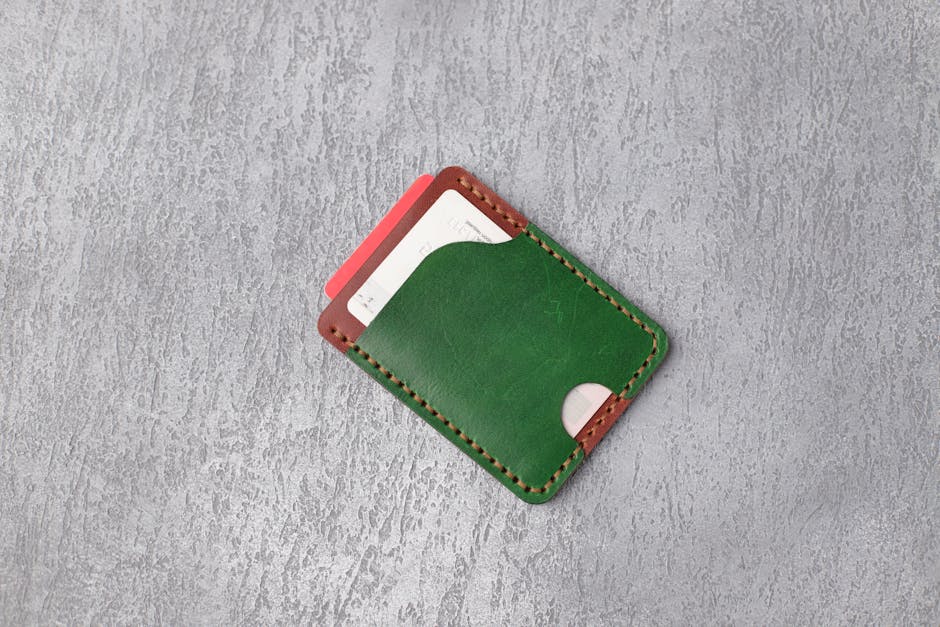
Best Quality Wallets for Women: Cut the Crap, Get the Facts
Sick of wallets falling apart? You want a quality wallet, not another disposable accessory. Let’s get real about what makes a women’s wallet genuinely good, durable, and worth your money. No marketing B.S., just the truth.
Stop Believing the Hype: What Real Quality Leather Actually Is
Listen, “genuine leather” on a tag means almost nothing. It’s a marketing term, not a quality guarantee. It often refers to a lower grade that’s been heavily processed, sanded, and painted to look uniform. That’s not what you want in a wallet meant to last.
The real deal, the stuff that develops a beautiful patina and gets better with age, is specific. You need to know the terms that actually matter, because “leather” is a broad category. Many brands like Coach have started to use better grades of leather in their higher-end collections, moving away from cheaper, corrected grains. But you still need to be vigilant.
Full-Grain vs. Top-Grain: The Only Distinction That Matters
Full-grain leather is the absolute top tier. Period. It comes from the outermost layer of the hide, retaining all its natural texture, imperfections, and strength. It hasn’t been sanded or buffed to remove marks. This means it’s incredibly durable, breathable, and will develop a rich patina over time. Think of a Hermès wallet – it’s full-grain, no question. You’re paying for that untouched, natural integrity.
Top-grain leather is the second best. It’s also from the top layer but has a thin layer of grain removed (sanded or buffed) to eliminate imperfections. This makes it more pliable and uniform, but it sacrifices some durability and won’t develop as deep a patina as full-grain. It’s still a solid choice for quality, often found in high-end wallets from brands like Louis Vuitton, though they might use specific ‘Epi leather’ or ‘Taiga leather’ which are top-grain treated for specific textures and resilience.
Anything below these two – “corrected-grain,” “bonded leather,” “genuine leather” (often splits or scraps glued together) – isn’t worth your time or money if longevity is the goal. They won’t hold up. They will crack, peel, and generally disappoint.
The Tanning Process: Why It’s Crucial
How leather is tanned affects its durability, feel, and environmental impact. There are two main methods:
- Vegetable Tanning: This is the old-school, labor-intensive method using natural tannins from plants. It produces stiff, durable leather that ages beautifully, developing a rich, deep color and patina. It’s more expensive and takes longer, but the result is superior. Many premium artisanal brands use this. Bellroy, for example, often uses high-quality vegetable-tanned leathers in their minimalist wallets, chosen for their resilience and character.
- Chrome Tanning: This is the fast, cheap, and most common method. It uses chemicals (chromium sulfates) to produce soft, pliable, and color-consistent leather quickly. While it’s fine for some applications, chrome-tanned leather often lacks the strength and character of vegetable-tanned leather over the long haul. It’s also not as environmentally friendly. Most mass-produced wallets use chrome-tanned leather.
For a truly best-quality wallet, vegetable-tanned full-grain leather is the gold standard. It’s an investment in something built to endure.
Recognizing Genuine Leather: The Sniff and Feel Test
Forget the label. Use your senses. Real quality leather — especially full-grain — has a distinct, earthy smell, not a plastic or chemical odor. It feels supple and natural, not stiff or synthetic. It will have natural variations in its grain, not a perfectly uniform, “printed” pattern. Press your thumb into it: real leather will wrinkle slightly, showing its natural elasticity. Fake or heavily processed leather often won’t react the same way.
Beyond the Material: Craftsmanship You Can’t Ignore
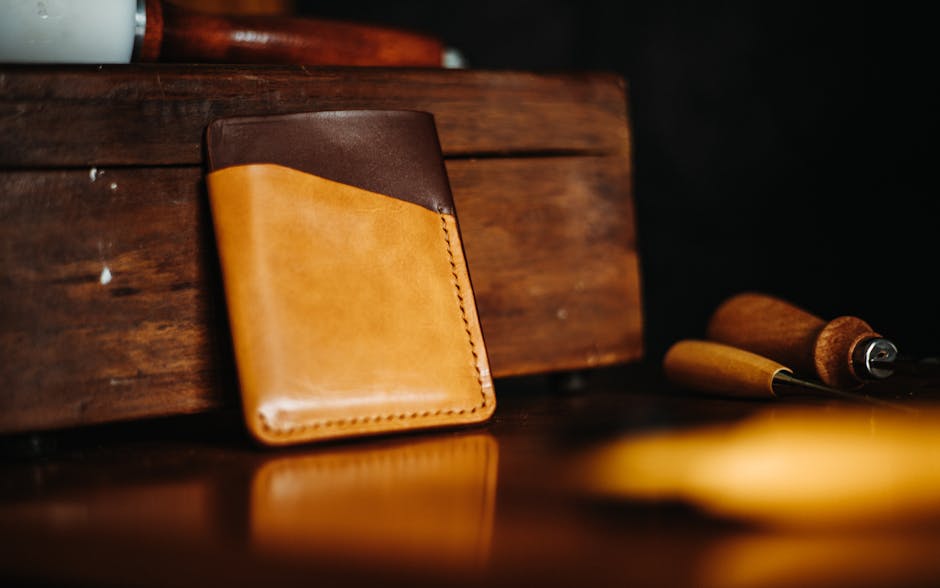
Great leather is only half the battle. Shoddy construction will ruin the best material. This is where most “designer” wallets sometimes fall short – impressive leather, but machine-stitched corners that fray. You need to scrutinize the details.
Stitching: The Unsung Hero of Durability
Look at the stitching. Is it neat, even, and consistent? Are there loose threads? High-quality wallets use strong, durable thread, often nylon or polyester, that resists abrasion and rotting. More importantly, observe the stitching pattern. A “saddle stitch” (two needles, one thread through each hole) is the absolute strongest and most reliable. If one stitch breaks, the rest won’t unravel. Machine stitching, while often tidy, uses a lock stitch that can unravel if a single thread breaks. Many premium brands, like Hermès, are famous for their hand-stitched leather goods precisely because of this superior durability.
The stitch count matters too. More stitches per inch mean a stronger seam. Expect at least 8-10 stitches per inch on a truly high-quality wallet. Fewer indicates rushed production and potential weakness.
Edge Finishing: Where Cheap Wallets Fail
The edges of a wallet take the most abuse. How they’re finished is a dead giveaway of quality. There are a few methods:
- Burnished Edges: This is a traditional, durable method where the leather edges are sanded smooth, then polished, often with water or a natural gum, to create a slick, sealed finish. It’s common on high-quality vegetable-tanned leather. It looks natural and wears well.
- Painted Edges: A coating of edge paint is applied. This is fine if done well – multiple layers, properly cured, flexible paint. Gucci and Louis Vuitton often use painted edges, and their quality is generally excellent, but cheap painted edges will crack, peel, and chip quickly. Feel the edge; it should be smooth, slightly rounded, and the paint should adhere perfectly without any bubbling or unevenness.
- Turned Edges: The leather is folded over and stitched. This is common in thinner, more flexible wallets. It removes raw edges entirely, offering a very clean look. This method is highly durable if the folding and stitching are precise.
Avoid raw, unfinished edges. They fray, absorb dirt, and are a sign of lazy manufacturing.
Small Details, Big Impact: Hardware and Linings
Don’t overlook the minor components. They can make or break a wallet. A cheap zipper on an expensive leather wallet is like putting bicycle tires on a sports car — pointless.
Hardware should feel substantial. Zippers (look for YKK, RiRi, or similar reputable brands), snaps, and clasps should operate smoothly and securely. Solid brass or stainless steel hardware lasts. Thin, flimsy, or discolored hardware means corners were cut. Linings, if present, should be durable – think silk, strong canvas, or another leather – not thin, flimsy synthetic fabrics that tear easily. A wallet — even a high-end one like from Cuyana — is only as strong as its weakest link.
Wallet Types That Actually Last: Pick Your Fighter
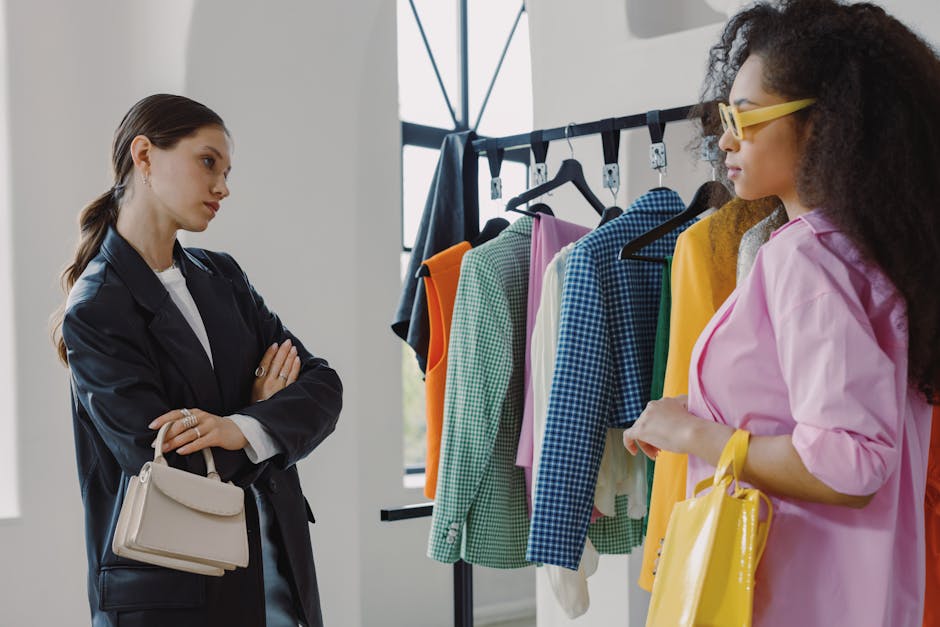
Different women need different wallets. The “best” type depends on your usage, but some constructions inherently lend themselves to greater longevity.
-
The Classic Bifold/Trifold
These are workhorses. Simple, functional, and when made with quality materials and craftsmanship, incredibly durable. A well-constructed leather bifold will outlast almost any trend. The “fold” is a stress point, so ensure the leather is supple enough to handle repeated bending without cracking, and the stitching is robust. Bellroy makes excellent slim bifolds known for their thoughtful design and durable construction.
-
The Clutch Wallet
Often larger, designed to carry more – phone, cards, cash, even keys. Because they’re bigger, they usually have more complex construction with zippers, multiple compartments, and sometimes wrist straps. Durability here hinges on the quality of the zippers and the strength of internal dividers. A Louis Vuitton Zippy Wallet, for example, is a classic for a reason: robust hardware, excellent leather, and meticulous internal organization built to last.
-
The Card Holder/Minimalist
For those who carry essentials only. Simplicity equals durability here. Fewer moving parts, fewer seams means fewer points of failure. The key is thick, high-quality leather that can withstand constant sliding in and out of pockets or bags. These need strong, tight stitching. Brands like Tanner Goods or even some high-end Coach card cases excel in this minimalist, durable segment.
Ultimately, a minimalist design often means fewer components to break. But if you need capacity, choose a larger style known for its robust construction.
Price vs. Value: Where to Spend Your Money
Don’t confuse price with value. A $1000 wallet isn’t automatically better than a $300 one. Often, you’re paying for brand name and marketing, not superior materials or craftsmanship. But good quality costs money. Expect to pay for excellence.
Understanding Brand Premium
Luxury brands like Hermès or Chanel command high prices for their heritage, exclusivity, and often, exceptional craftsmanship. They use the best materials and traditional techniques. However, brands like Tory Burch or Kate Spade, while popular, sometimes rely on brand recognition more than top-tier material — their leathers are often corrected-grain or top-grain, not always full-grain. You are paying a premium for the label, not always for the absolute highest quality leather on par with a truly artisan piece. Understand what you’re actually getting.
Investment Pieces vs. Disposable Fashion
A truly quality wallet is an investment. It will cost more upfront, but it will last for years, possibly decades, becoming a cherished item rather than something you replace every couple of seasons. Think of it as cost-per-use. A $300 wallet that lasts 10 years is cheaper than five $60 wallets that last two years each. This isn’t about being cheap; it’s about being smart. Focus on the longevity and intrinsic value of the piece, not just the initial sticker shock.
Here’s a quick breakdown:
| Feature | Low-End Wallet (Disposable) | Mid-Range Wallet (Decent Value) | High-End Wallet (Investment) |
|---|---|---|---|
| Leather Type | Bonded, "Genuine" (heavily processed) | Top-grain, corrected-grain | Full-grain, high-quality top-grain |
| Craftsmanship | Flimsy, uneven machine stitching, poor edge paint | Consistent machine stitching, decent edge finish | Hand-stitched (saddle), burnished/multi-layer painted edges |
| Hardware | Lightweight, cheap zippers, brass-plated | Standard YKK zippers, steel, some brass | Heavy-duty YKK/RiRi, solid brass/stainless steel |
| Expected Lifespan | 1-3 years | 3-7 years | 7+ years (with care) |
Maintaining Your Investment: Keep It Looking New
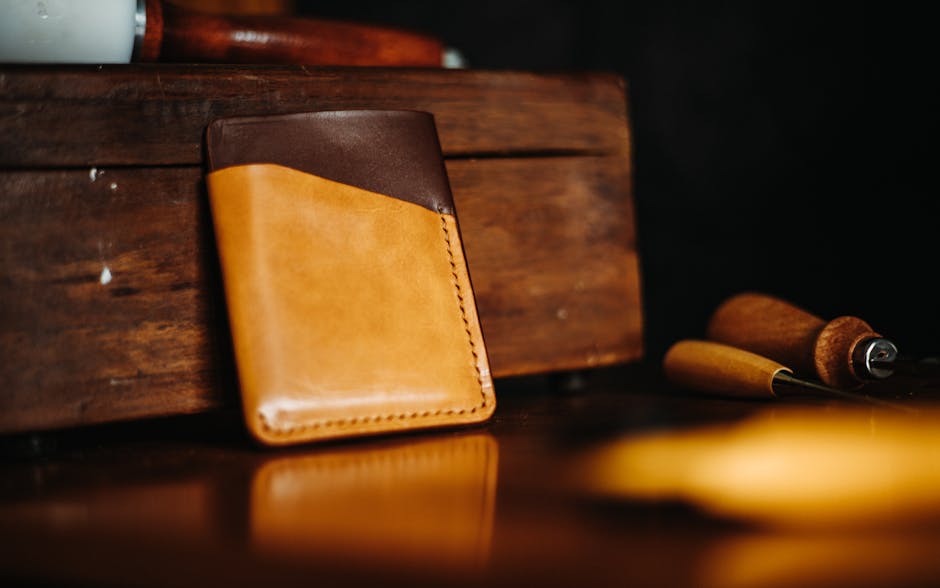
Even the best wallet needs some love. Neglect means premature wear, regardless of initial quality. Treat it like a valued possession, not a forgotten item at the bottom of your bag. Proper care extends its life and keeps it looking sharp. This isn’t optional; it’s mandatory for longevity.
Routine Cleaning: Don’t Be Lazy
Dust and grime build up. It’s just a fact of life. Wipe down your wallet regularly with a soft, dry cloth. For tougher dirt, use a slightly damp cloth with a mild leather cleaner, specifically formulated for the type of leather your wallet is made from. Don’t use harsh chemicals, hand soap, or anything abrasive. Brands like Saphir or Fiebings make excellent leather care products. Test any new cleaner on an inconspicuous area first. This takes five minutes, maybe once a month. No excuses.
Conditioning: The Skin Care for Your Wallet
Leather dries out, just like your skin. It needs moisture. A good leather conditioner keeps the leather supple, prevents cracking, and restores its natural oils. Apply a small amount with a soft cloth every few months, or more frequently if you live in a dry climate or use your wallet constantly. Again, use products designed for leather, like Lexol or Neatsfoot oil for more rugged leathers. Don’t over-condition; a little goes a long way. This is especially important for full-grain and vegetable-tanned leathers to maintain their character and flexibility.
Proper Storage: Small Habits, Long Life
When you’re not using a wallet, store it properly. Keep it in a dust bag (many quality wallets come with one) or a clean cloth bag. Avoid direct sunlight, extreme heat, or excessive humidity, all of which can damage leather. Don’t cram it into a drawer with sharp objects or leave it exposed to spills. If it gets wet, let it air dry naturally, away from direct heat. Never use a hairdryer. These simple habits prevent unnecessary wear and tear. A wallet isn’t a toy; it’s an accessory that deserves respect.
Quick Picks: Which Wallet Is Right for You?
Alright, so you’ve got the lowdown. Here’s the quick and dirty on what to look for based on your needs. Cut through the noise and get what works.
- For Max Durability & Patina: Demand full-grain, vegetable-tanned leather with saddle stitching. Expect a higher price tag. Brands like Hermès (if you have the budget) or independent artisanal leather goods makers are your best bet.
- For Everyday Practicality & Good Value: Look for high-quality top-grain leather, solid machine stitching, and reliable hardware (YKK zippers). Brands like Coach (their higher-end lines), Bellroy, or Cuyana often hit this sweet spot.
- For Minimalist & Slim Design: Focus on thick, robust leather — even a good corrected-grain can work here if the overall design is solid — and tight stitching. Fewer components mean less to break. Bellroy and Tanner Goods offer great options.
- For “Luxury Look” & Brand Recognition: You’re paying for the name, but still insist on strong construction. Louis Vuitton’s treated leathers and robust hardware hold up, but know you’re paying a premium for the iconic pattern.
Don’t settle for less. A truly great wallet isn’t just a container for your cash; it’s a testament to quality that should serve you well for years. Choose wisely, care for it, and it’ll be the last wallet you buy for a long time.