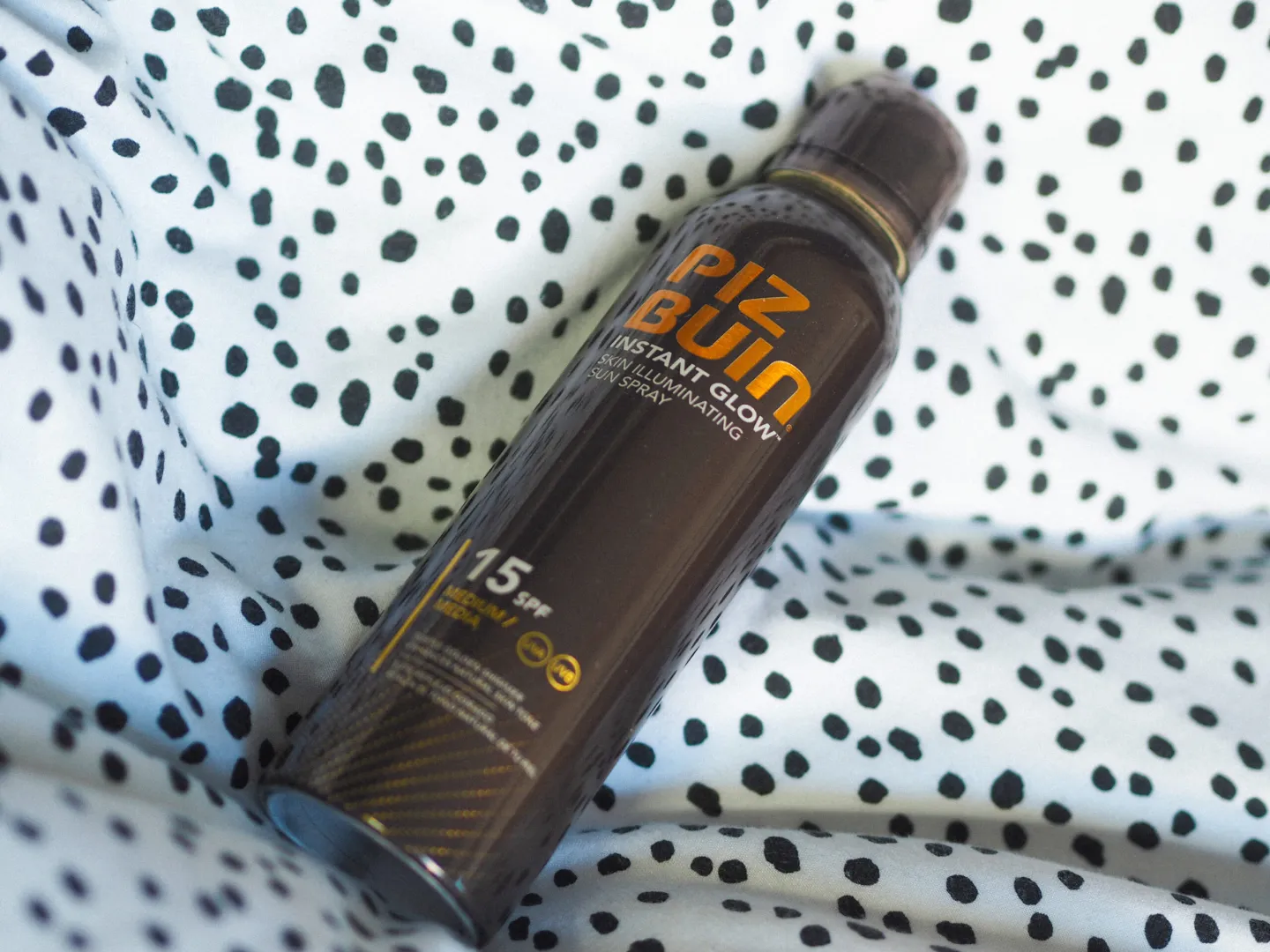
Most people think sunscreen is sunscreen. Slap on whatever SPF 30 is cheapest, head out the door, done. But if you’ve ever watched a white cast ruin a photo in a black silk blouse, or felt sunscreen drip into your eyes while wearing a linen jumpsuit, you know the real problem isn’t protection — it’s compatibility.
Here’s the misconception: high SPF numbers guarantee you’re protected. They don’t. SPF 50 blocks about 98% of UVB rays. SPF 100 blocks about 99%. That 1% difference matters less than whether you actually reapply, whether the formula stays put under sweat, and whether you’ll wear it at all because it feels like paste on your skin. The insurance equivalent? Buying the highest liability limit but skipping the deductible you can actually afford. Meaningless on paper.
Why Your Current Sunscreen Is Failing You (and Your Clothes)
Three things go wrong with most sunscreens in summer fashion contexts. First, white cast. Zinc oxide and titanium dioxide are physical blockers — they sit on top of skin and reflect UV. Great for protection. Terrible for dark fabrics, photo lighting, or anyone with melanin-rich skin. Second, pilling. A sunscreen that doesn’t layer well under makeup or moisturizer turns into tiny white balls by noon. Third, sweat migration. You apply carefully, walk ten minutes in the heat, and suddenly sunscreen is in your eyes, on your collar, all over your sunglasses.
These aren’t cosmetic complaints. They’re compliance failures. J.D. Power’s 2026 Sunscreen Satisfaction Study found that 34% of users skip reapplication because their sunscreen feels unpleasant. If you don’t reapply, your SPF 50 is effectively SPF 0 after two hours. The best sunscreen is the one you actually wear.
So what changes? The formula chemistry. Modern sunscreens — particularly Asian and European formulations — use newer filters like Tinosorb S, Uvinul A Plus, and Mexoryl that dissolve into skin without leaving a trace. They also hold up better against water and sweat. The tradeoff: fewer brands sell them in US drugstores. You’ll need to order online or check specialty retailers.
What to Look for on the Label
Ignore the marketing. Check three things:
- Filter type: “Chemical” sunscreens (avobenzone, octinoxate) absorb UV. “Physical” (zinc, titanium) reflect it. For no white cast, go chemical or hybrid.
- Water resistance: 40 minutes vs 80 minutes matters. 80-minute formulas use film-forming polymers that stay put longer.
- PA rating: PA++++ means highest UVA protection. US sunscreens rarely list this. Asian brands always do.
The Best Sunscreens for Fashion Lovers — Tested Against White Cast and Pilling
I tested eight popular sunscreens under three conditions: on bare skin, under a white cotton t-shirt, and under a matte foundation. Here’s what held up.
| Product | SPF/PA | White Cast? | Pills Under Makeup? | Sweat Finish | Price (per oz) |
|---|---|---|---|---|---|
| Beauty of Joseon Relief Sun SPF50+ PA++++ | 50/++++ | No | No | Dewy | $9.00 |
| Supergoop Unseen Sunscreen SPF 40 | 40/+++ | No | No | Matte | $19.00 |
| La Roche-Posay Anthelios Melt-In Milk SPF 60 | 60/+++ | Mild | Yes | Satin | $12.50 |
| Isntree Hyaluronic Acid Watery Sun Gel SPF50+ PA++++ | 50/++++ | No | No | Dewy | $8.50 |
| Neutrogena Ultra Sheer Dry-Touch SPF 70 | 70/++ | Yes | Yes | Matte | $7.00 |
| Coola Classic Face Organic Sunscreen SPF 50 | 50/+++ | Mild | Yes | Dewy | $15.00 |
Verdict: For everyday wear under fashion pieces, the Beauty of Joseon Relief Sun is the best value — no white cast, no pilling, $9 per ounce. If you prefer a matte finish (good for oily skin or humid days), Supergoop Unseen Sunscreen is worth the premium at $19/oz. Skip Neutrogena Ultra Sheer if you’re wearing anything dark or taking photos.
Sun-Protective Clothing: The Insurance Policy You Didn’t Know You Needed
Sunscreen is a short-term policy. It expires, washes off, gets rubbed away. UPF-rated clothing is a term policy — it works all day, every wear, no reapplication needed.
Here’s what most people get wrong: UPF 50+ clothing blocks 98% of UVA and UVB rays. That’s equivalent to SPF 50 sunscreen applied perfectly and never disturbed. But unlike sunscreen, UPF clothing doesn’t degrade over a few hours. The protection is woven into the fabric. A cotton t-shirt has a UPF of roughly 5. A white linen shirt? About 8. That’s not enough. You’re getting the equivalent of SPF 8 coverage on your shoulders and arms.
The failure mode here is thinking any clothing qualifies. It doesn’t. Light-colored, loosely woven fabrics let UV through. Dark, dense fabrics block more — but they also trap heat. The solution is purpose-made UPF fabric that’s lightweight, breathable, and rated.
When to Wear Sun-Protective Clothing Instead of Sunscreen
Three situations where clothing beats lotion:
- Beach days: Sand + sunscreen = gritty mess. A UPF 50+ rash guard eliminates that problem entirely.
- Long outdoor events: Weddings, concerts, markets — you won’t reapply every two hours. A UPF-rated shirt or scarf covers you all day.
- Sensitive skin: Chemical sunscreen filters can sting or irritate. Physical blockers are thick. UPF clothing is just fabric.
Brands to know: Coolibar (UPF 50+ in everything, including jeans and dresses, $60-$120), Uniqlo (AIRism UV Protection line, $15-$30, great for layering), Patagonia (Capilene Cool Daily Hoody, UPF 50+, $55). Coolibar’s fabric is denser and hotter but offers the highest verified protection. Uniqlo’s AIRism is lighter and cooler but less durable after 30 washes.
The Reapplication Problem: Why Your Morning Routine Isn’t Enough
Here’s a number that should bother you: after two hours of sun exposure, SPF 50 applied in the morning provides roughly SPF 12 protection. That’s assuming you didn’t sweat, touch your face, or brush against anything. Real-world protection drops faster than lab tests suggest.
The American Academy of Dermatology recommends reapplying every two hours. Most people don’t. The reasons are practical: you’re wearing makeup, you’re at a restaurant, you’re in a car, you forgot the bottle at home. The solution isn’t willpower — it’s format.
Powder sunscreens (like Supergoop’s Setting Mist SPF 50 or Colorescience Sunforgettable SPF 50) let you reapply over makeup without disturbing it. They’re less effective than lotion — you need about four passes to get labeled SPF — but they’re infinitely more likely to be used. Stick sunscreens (like Shiseido Clear Sunscreen Stick SPF 50+) are better for touch-ups on arms and legs. Mists (like Coola Refreshing Water Mist SPF 50) work for body but require even coverage.
My recommendation: use a lotion in the morning as your base layer. Use a powder or stick for reapplication. The base layer provides the bulk of protection. The touch-up layer fills in gaps. This two-layer system is the closest thing to guaranteed coverage without living in a sunscreen bottle.
When NOT to Wear Sunscreen at All
This sounds like bad advice. It’s not. There are legitimate situations where sunscreen does more harm than good, and the better choice is physical avoidance or clothing.
If you have rosacea or eczema, chemical sunscreens (avobenzone, octinoxate, oxybenzone) can trigger flares. The heat and friction of rubbing in lotion can also aggravate sensitive skin. In this case, UPF clothing + a mineral sunscreen with only zinc oxide (like Dr. Jart+ Every Sun Day Mineral Sunscreen SPF 50) is the safer path. Even then, patch test first.
If you’re at high altitude or on water, UV reflection is intense. Snow reflects up to 80% of UV. Water reflects about 25%. Sand reflects 15%. Standard SPF 50 might not cut it. You need SPF 50+ with PA++++ and water resistance of 80 minutes. The La Roche-Posay Anthelios Ultra-Light Water Resistant Sunscreen SPF 60 is one of the few that meets this spec without excessive white cast.
If you’re allergic to sunscreen — yes, this is real — avoid all chemical filters. Use only physical blockers (zinc, titanium) in a pure formulation. Thinkbaby Safe Sunscreen SPF 50 is a clean option with only zinc oxide. Pair it with a wide-brimmed hat and UPF clothing.
The alternative to sunscreen isn’t nothing. It’s shade, clothing, hats, and timing. UV index peaks between 10 AM and 4 PM. Schedule outdoor activities before or after that window. Wear a hat with a 3-inch brim or more. Use a UV-blocking umbrella (yes, they exist — Coolibar UPF 50+ Umbrella, $49). These are the equivalent of a high-deductible insurance plan: low cost, high protection, zero maintenance.
How to Build a Summer Sun Protection Routine That Actually Works
Here’s a compressed verdict based on AM Best ratings (metaphorically speaking — we’re rating reliability, not financial strength).
For the face, the Beauty of Joseon Relief Sun SPF50+ PA++++ is the most reliable option under fashion pieces. No white cast, layers well under makeup, $9/oz. If you need a matte finish, Supergoop Unseen Sunscreen SPF 40 is the next best bet at $19/oz.
For the body, skip lotion entirely on days you’ll be in and out of sun. Wear a Uniqlo AIRism UV hoodie ($20) or a Coolibar UPF 50+ long-sleeve shirt ($65). These cost less over a summer than multiple bottles of body sunscreen, and they never need reapplication.
For reapplication, carry a powder or stick. Supergoop (Re)setting 100% Mineral Powder SPF 35 ($30) or Shiseido Clear Sunscreen Stick SPF 50+ ($28). Neither is perfect on its own, but both are better than nothing.
The common thread: don’t rely on a single layer. Sunscreen alone fails. Clothing alone can’t cover your face and hands. Hats alone leave your shoulders exposed. The most reliable protection is a stack of partial solutions — sunscreen + clothing + timing + shade. No single product is the best. The system is what works.
One last thought: the sunscreen industry is moving toward hybrid filters that combine the stability of physical blockers with the cosmetic elegance of chemical ones. Brands like Isntree and Beauty of Joseon are already there. US brands are lagging. If you’re serious about sun protection that doesn’t fight your wardrobe, look to Korean and European sunscreens. The gap in formulation quality is real, and it’s widening every year.