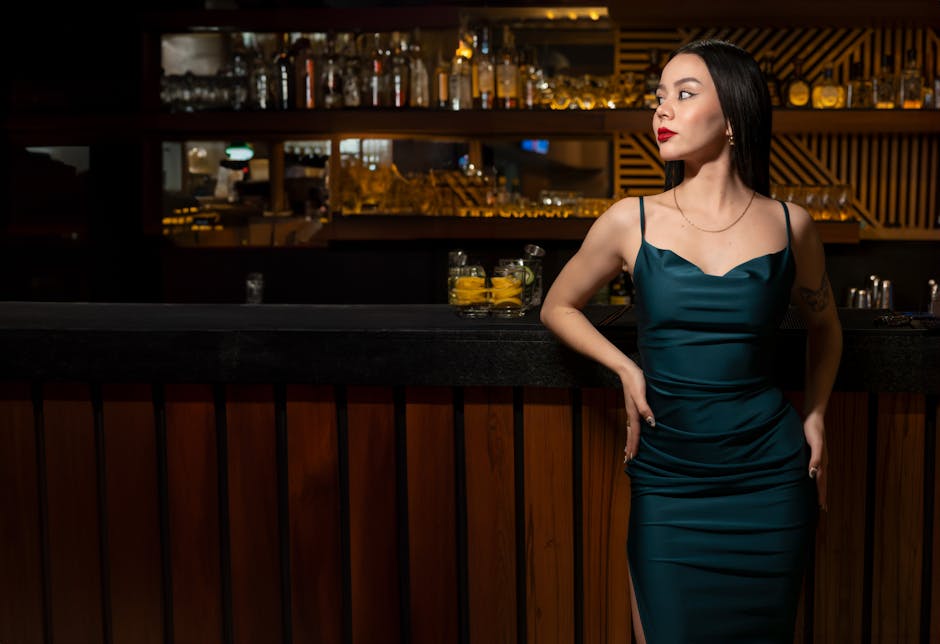
Navigating event dress codes can feel like deciphering a secret language, especially when invitations simply state “cocktail” or “black tie.” These terms, while common, carry distinct expectations for silhouette, fabric, and overall polish. Understanding their core differences is essential to feeling confident and appropriately dressed, ensuring you never second-guess your outfit choice for that important event.
The Core Distinction: What Sets Them Apart?
The fundamental difference between cocktail and black tie attire lies in their level of formality and the overall aesthetic they convey. Cocktail is semi-formal, elegant but often more playful and individualistic. Black tie is strictly formal, demanding a higher degree of sophistication and adherence to tradition. The table below outlines the critical distinctions, offering a quick reference for your next event.
| Feature | Cocktail Attire (Women) | Black Tie Attire (Women) |
|---|---|---|
| Dress Length | Knee-length, midi, or tea-length. Shorter, above-the-knee dresses are acceptable. | Floor-length evening gown. Rarely, a sophisticated, formal pant suit or dressy midi-length skirt/top combo may be considered, but a gown is standard. |
| Fabric & Embellishment | Silk, satin, lace, chiffon, velvet, brocade. Can include sequins, beads, or subtle prints. | High-quality fabrics like silk, satin, velvet, taffeta, brocade. Often features intricate beading, sequins, embroidery, or delicate lacework. |
| Accessories | Clutch or small shoulder bag. Statement jewelry is welcome, but not required. | Small, elegant clutch. Fine jewelry (diamonds, pearls, gemstones). Often includes a pashmina or elegant wrap. |
| Footwear | Dressy heels or elegant flats. Sandals with embellishments are fine. | Closed-toe heels (pumps or strappy heels). Absolutely no casual flats or open-toe sandals unless medically necessary. |
| Hair & Makeup | Polished but can be relaxed (e.g., loose waves, chic ponytail). Makeup can be natural or a bit bolder. | More formal, often an updo or perfectly styled hair. Makeup should be elegant and refined. |
| Event Type | Weddings (less formal), holiday parties, dinner parties, business receptions. | Formal weddings, galas, charity balls, opera nights, milestone anniversaries. |
| Approx. Price Range | $80 – $800+ (e.g., Lulus, Aritzia, Reformation, Self-Portrait) | $150 – $2,000+ (e.g., Adrianna Papell, Badgley Mischka, Theia, rental from Rent the Runway) |
Key Fabrics and Finishes
For cocktail events, you have a wider range of acceptable materials. A sleek satin slip dress, like the Aritzia ‘Only Slip Dress’ (around $150), works well. For something with more structure, a brocade dress from brands like Anthropologie can add texture and interest. Black tie, however, often leans into heavier, more luxurious textiles. Think a deep velvet gown, a shimmering sequined number, or a silk taffeta piece. Brands like Adrianna Papell excel at delivering these sophisticated looks, often with intricate beading around the $150-$350 mark.
The Role of Embellishments and Jewelry
Cocktail attire allows for more playful embellishments. A dress with a bold floral print or interesting cutouts is perfectly acceptable. Statement earrings or a chunky necklace can elevate a simpler dress. For black tie, the embellishments on the dress itself tend to be more refined – delicate beading, subtle embroidery, or sophisticated lace. Jewelry should be classic and elegant, often real or high-quality costume pieces that complement the gown without overpowering it. A diamond tennis bracelet or pearl drop earrings would be fitting.
Cocktail Dress Code Unpacked: Versatility and Chic

The cocktail dress code is perhaps the most common “dressy” requirement for women, striking a balance between formal and celebratory. It’s about looking polished and elegant without being overly stiff or extravagant. The goal is a sophisticated, fashionable look suitable for mingling and light revelry. This category offers significant room for personal expression and current trends, making it a favorite for many. A well-chosen cocktail dress can be one of the most versatile pieces in your wardrobe, adaptable to various events with just a change of accessories.
The beauty of cocktail attire lies in its flexibility. You’re not confined to one specific style or color. You can opt for vibrant hues, interesting patterns, or unique silhouettes. The key is that the outfit feels intentional and elevated beyond everyday wear. Think of it as your opportunity to showcase your personal style while respecting the event’s semi-formal nature. This means avoiding anything too casual, like cotton sundresses, or anything overly formal, like a full-length ball gown, which would look out of place.
Ideal Lengths and Silhouettes for Cocktail Events
When selecting a cocktail dress, length is crucial. The most common and universally flattering lengths are knee-length, midi (falling between the knee and ankle), and tea-length (mid-calf). A classic A-line dress, like the ‘Cherie’ midi dress from Reformation (around $278), offers a timeless and forgiving silhouette. Sheath dresses, which hug the body, or fit-and-flare styles, which cinch at the waist and flare out, are also excellent choices. While mini dresses can be acceptable, they should be well above the casual territory, meaning high-quality fabric, tailored fit, and paired with appropriate heels. For example, a structured mini dress from Self-Portrait (ranging $400-$800) would be acceptable, whereas a casual jersey mini dress would not.
Fabric Choices and Embellishments
The fabric choice significantly impacts whether a dress reads as “cocktail appropriate.” Luxe fabrics are key. Silk, satin, lace, chiffon, brocade, and velvet are all excellent choices. For warmer seasons, lighter silks or embellished chiffons work beautifully. In cooler months, rich velvets or heavier satins are perfect. Embellishments can range from subtle beading and embroidery to sequins or delicate lace overlays. A sequined mini dress from Lulus (typically $70-$120) could be perfect for a holiday cocktail party, while a sophisticated lace midi dress from ‘The Kooples’ (often $300-$600) would suit a more elegant reception. Prints are also welcome, provided they are refined and not overly casual. Geometric patterns, abstract designs, or elegant florals can add a fashionable touch.
Accessorizing a Cocktail Dress: The Details That Matter
Accessories complete the cocktail look. A small, elegant clutch is essential – think a beaded pouch or a sleek metallic design. Larger bags are out. Jewelry can be bold or understated, depending on the dress. If your dress is simple, a statement necklace or chandelier earrings can elevate it. If the dress itself is ornate, opt for delicate jewelry like stud earrings and a thin bracelet. Shoes should be dressy heels or elegant flats. Think classic pumps, strappy sandals, or even embellished ballet flats. The ‘Paige’ Block Heel Sandal from Sam Edelman (around $140) offers comfort and style, while a classic pump from ‘Kate Spade’ (around $200) is a fail-safe choice. Finally, hosiery is optional, but if worn, choose sheer or nude stockings.
Black Tie: Decoding Formal Elegance
Black tie is the pinnacle of formal evening wear, signaling an event of significant importance and grandeur. For women, this code almost always dictates a floor-length evening gown. It’s about exuding timeless elegance, sophistication, and a certain level of glamour. This is not the time for experimentation with edgy trends or casual interpretations. Think classic Hollywood red carpet, not a fashion show runway. The expectation is a cohesive, polished, and luxurious ensemble that respects the formality of the occasion.
- The Gown is : A long, floor-length evening gown is the standard. This means the hem should skim the tops of your shoes, or just barely touch the floor. Materials should be rich and luxurious.
- Fabric & Finish: Opt for high-quality fabrics like silk, satin, velvet, chiffon, taffeta, or brocade. These materials drape beautifully and have an inherent sheen or texture that elevates the look. Subtle embellishments like delicate beading, sequins, or lace are appropriate.
- Refined Accessories: Jewelry should be fine and elegant – real or high-quality costume pieces. A small, elegant clutch is the only acceptable bag. Wraps or pashminas in silk, cashmere, or faux fur are practical and stylish additions.
- Sophisticated Footwear: Closed-toe heels are typically preferred, though elegant open-toe heels are sometimes acceptable. The shoes should be pristine and complement the gown. No wedges, platforms, or chunky heels.
- Polished Hair & Makeup: Hair is usually styled formally – an elegant updo, sleek bun, or perfectly styled waves. Makeup should be refined and polished, enhancing your features without being overly dramatic.
Gown Lengths and Preferred Materials
The non-negotiable aspect of black tie for women is the length: floor-length. This means the gown should reach your ankles or touch the floor, often requiring specific heel heights to get it just right. The materials should convey luxury. A silk charmeuse gown, like those found from designers such as ‘Jenny Yoo’ (typically $250-$400), flows beautifully. Velvet gowns, especially in deep jewel tones, are a winter favorite. For a more structured look, a satin or taffeta gown with a full skirt offers dramatic flair. Brands like ‘Badgley Mischka’ (ranging from $500 to $1500 for a gown) are renowned for their elegant black-tie offerings, often featuring intricate detailing.
Essential Accessories: Jewelry, Wraps, and Handbags
Accessories for black tie should be understated yet luxurious. A small, elegant clutch that can hold just your essentials – phone, lipstick, a small card holder – is mandatory. Larger handbags are entirely inappropriate. When it comes to jewelry, focus on quality over quantity. Diamonds, pearls, or genuine gemstones are ideal. A simple diamond necklace, elegant drop earrings, or a classic pearl strand would be perfect. Avoid overly trendy or costume jewelry that looks inexpensive. A pashmina or an elegant wrap made of silk, cashmere, or a fine faux fur is often a practical necessity for warmth and an elegant addition. This allows you to cover your shoulders if the gown is strapless or sleeveless, especially in a cooler venue or during a formal processional.
Hair, Makeup, and the Final Polish
For black tie, your hair and makeup should match the formality of your gown. An elegant updo, a sleek chignon, or perfectly styled Hollywood waves are common choices. This is not the occasion for messy buns or casual ponytails. Makeup should be polished and refined – a classic red lip, a subtle smoky eye, or a flawless complexion with defined features. The goal is sophistication, not a “night out” look. Manicured nails are also part of the overall polished presentation, often in classic colors like nude, red, or a soft pink. Every detail contributes to the overarching formal aesthetic of a black tie event.
When to Choose Which: Event Context is Everything

The biggest mistake isn’t misinterpreting the dress code, but ignoring the vibe of the event. Even with a clearly stated dress code, the specific context — the venue, the time of day, and the hosts’ general style — can subtly shift expectations. A black tie wedding might be slightly less rigid than a formal corporate gala, for instance. Always consider the full picture of the event to make an informed decision.
Weddings: Navigating Nuances
Weddings are perhaps the most common occasion for both cocktail and black-tie attire. For a “cocktail attire” wedding, you have freedom. Think about the season: a floral midi dress for a spring garden wedding, or a velvet number for a winter celebration. A “black tie optional” wedding usually means guests are encouraged to wear black tie, but a very formal cocktail dress (such as a tea-length embellished gown) is acceptable. For a strict “black tie” wedding, a floor-length gown is non-negotiable. Consider the venue – a ballroom wedding will lean more formal than a vineyard wedding, even if both specify black tie.
Corporate Galas and Fundraisers
These events often lean towards the more conservative end of formal wear. For a cocktail fundraiser, a sophisticated midi dress or a formal pant suit would be excellent. Avoid anything too revealing or overly flashy. For a black tie corporate gala, a classic, elegant floor-length gown is expected. Often, solid colors or subtle patterns are preferred over bright, bold prints. The emphasis is on professionalism and refinement, even within a formal setting. Black, navy, emerald green, or deep burgundy are safe and sophisticated choices.
Holiday Parties and Special Occasions
Holiday parties are where cocktail attire truly shines, offering an opportunity to embrace sparkle and festive colors. A sequined mini dress or a vibrant satin midi would be perfect. For more elaborate private parties or milestone celebrations — perhaps a 50th anniversary or significant birthday — the dress code might elevate to black tie. These events, while personal, still command the highest level of dress. Consider who the hosts are and their typical entertaining style; this can be a strong indicator of how strictly to interpret the dress code.
Common Pitfalls and How to Avoid Them
Even with clear guidelines, some common missteps can lead to feeling under or overdressed. Avoiding these small errors ensures you present yourself impeccably for any formal occasion. It’s about understanding the subtle cues and making choices that align with the event’s spirit.
Can I wear a black dress to a cocktail event?
Absolutely, a black dress is a timeless and versatile choice for a cocktail event. The key is to ensure the style, fabric, and accessories match the cocktail formality. A little black dress (LBD) in silk, satin, or lace with interesting details or a modern silhouette is perfect. Avoid anything that looks too casual (like a basic jersey dress) or too funereal. Add pops of color with your shoes, clutch, or jewelry to make it festive. For example, a black midi dress with a sleek cut paired with vibrant emerald heels and a matching clutch would be stunning.
Is it ever okay to wear separates for black tie?
While a floor-length gown is the traditional and safest bet for black tie, a highly formal pantsuit or a sophisticated skirt-and-top combination can sometimes be acceptable, especially for women who prefer trousers. However, these separates must be exceptionally elegant — think tailored silk trousers with a heavily embellished top, or a luxurious velvet blazer over a flowing skirt. They need to achieve the same level of grandeur and formality as a gown. This is a more fashion-forward approach and should only be considered if you are confident in your styling ability and the event is in a more modern, less traditional setting. Always err on the side of a gown if you’re unsure.
How much sparkle is too much for a formal event?
The amount of sparkle depends heavily on the dress code and the event itself. For cocktail parties, especially around the holidays, a dress that is fully sequined or heavily beaded is often perfect and celebrated. The shimmer adds to the festive atmosphere. For black tie, while sparkle is welcome, it tends to be more refined. A gown with intricate beading on the bodice, a delicate sequin pattern, or a fabric with a subtle metallic sheen is appropriate. Overly chunky glitter or excessive, cheaply applied sequins can detract from the elegance required for black tie. The sparkle should enhance the luxury of the fabric, not overwhelm it.
What about shoes: heels or flats?
For both cocktail and black tie, heels are generally the expected and preferred footwear. They elevate the posture, lengthen the leg, and complete the formal aesthetic. For cocktail, elegant flats — especially embellished ones like a bejeweled ballet flat or a metallic loafer — can be acceptable, particularly if they are high-quality and complement the outfit. For black tie, however, the expectation is almost always heels. If you cannot wear heels for comfort or medical reasons, choose the most formal, elegant flats possible, such as satin pointed-toe flats or embellished evening slippers, ensuring they are pristine and blend seamlessly with your gown. Avoid any casual flat styles.
The Verdict: Investing Smartly in Your Formal Wardrobe
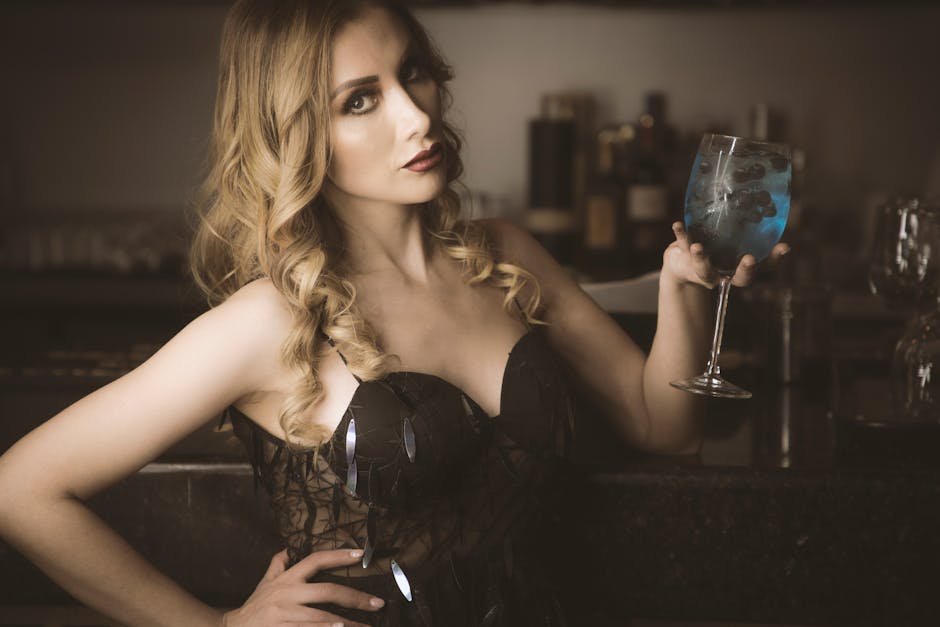
When building your wardrobe, prioritize versatility. A classic black midi dress from brands like Ralph Lauren ($180-$400) or a more affordable option from Lulus ($70-$120) can often be dressed up for cocktail or toned down for other semi-formal occasions, making it a wise investment. For black tie, renting a gown from services like Rent the Runway (typically $50-$200 for a rental) offers access to high-end designer pieces without the significant upfront cost, ensuring you always have the perfect, on-trend formal look for any grand affair.