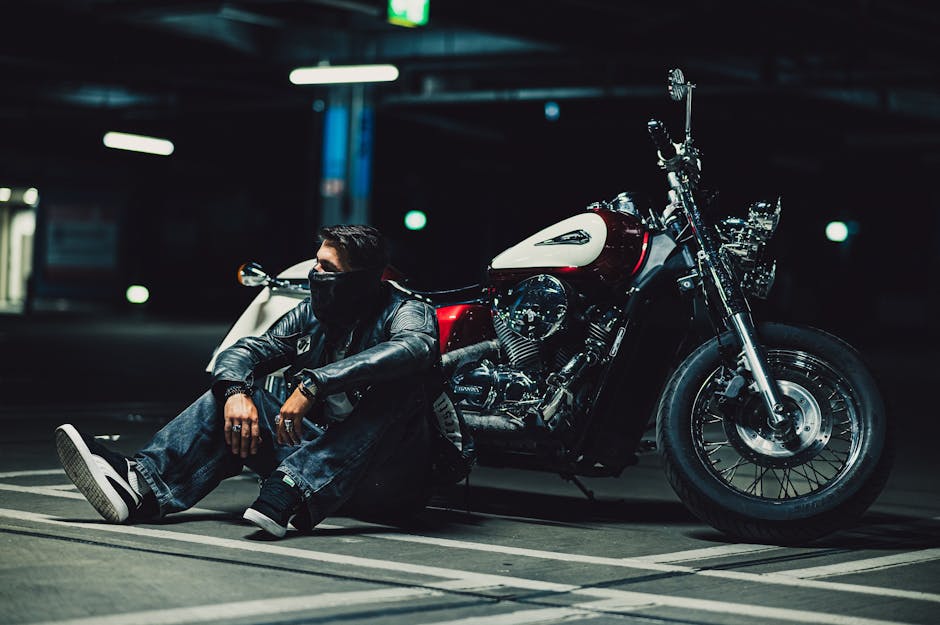
Navigating a rainstorm on two wheels transforms the atmosphere from a transparent medium into a high-velocity hydraulic obstacle course. Unlike a pedestrian carrying an umbrella, a motorcyclist is subjected to the relentless kinetic energy of water droplets accelerated by the bike’s forward momentum. At highway speeds, rain does not simply “fall”; it strikes with the force of a pressure washer. This environment creates a unique set of demands on apparel that go far beyond basic waterproofing. Choosing the best motorcycle raincoat is a strategic decision that balances fluid dynamics, thermal regulation, and mechanical durability against the unpredictable nature of the elements. It is an essential component of a rider’s lifestyle, ensuring that a change in weather does not necessitate a change in plans.
Analyzing the Hydrodynamic Challenges of High-Speed Riding
Riding a motorcycle in the rain involves physics that standard rainwear is simply not designed to handle. When you are standing still, rain falls at a terminal velocity of about 20 mph. However, when you are traveling at 70 mph on a highway, the relative velocity of those water droplets increases significantly. This creates a stagnation pressure that can force water through the microscopic pores of even high-quality outdoor jackets. Choosing the best motorcycle raincoat requires an understanding of how materials behave under mechanical stress and wind pressure. It is not merely about staying dry; it is about managing moisture vapor from the inside while resisting hydraulic force from the outside.
The concept of “stagnation pressure” is critical here. As air hits the rider’s chest, it comes to a complete stop, converting its kinetic energy into pressure. If that air is saturated with water, the pressure acts to push the liquid through the fabric’s weave. While a standard raincoat might withstand a light drizzle while walking, the same garment will likely fail within minutes at 60 mph as the water is literally hammered into the fibers. This is why motorcycle-specific gear often features reinforced chest panels and specialized storm flaps over the zippers.
Technical Performance Metrics: Hydrostatic Head and MVTR
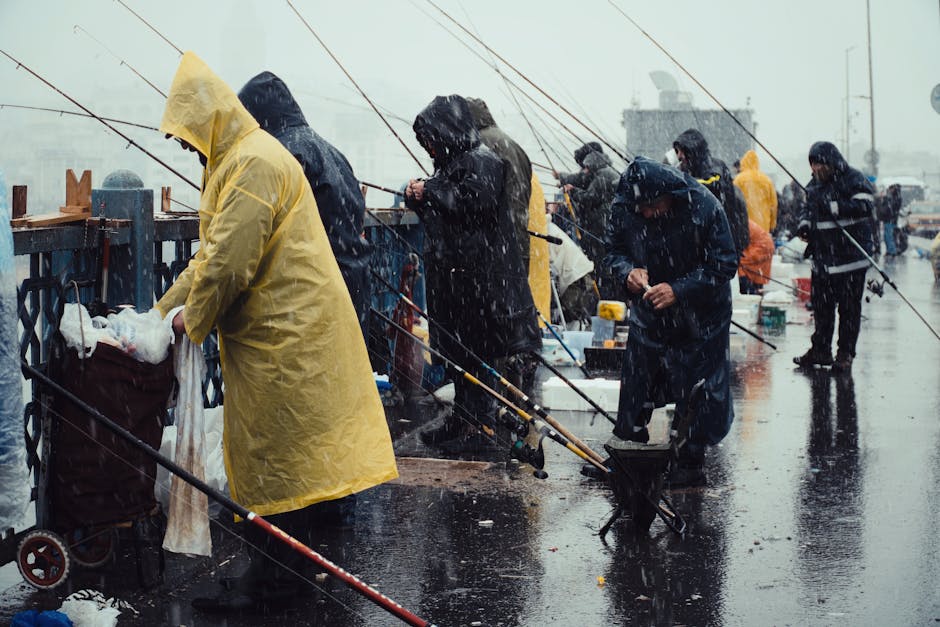
The efficacy of a motorcycle rain suit is determined by two primary metrics: the hydrostatic head rating and the moisture vapor transmission rate (MVTR). Most riders overlook these numbers, yet they are the only objective way to measure performance before a storm hits. A hydrostatic head of 10,000mm is often cited as the baseline for “waterproof,” but for motorcycling, this is insufficient. At highway speeds, the pressure exerted by wind and rain can exceed the resistance of lower-tier membranes. For serious all-weather riding, look for ratings closer to 20,000mm.
Quantifying Hydrostatic Pressure and PSI
Hydrostatic head measurement involves placing a column of water over a fabric and seeing how high the water can climb before it leaks through. A 20,000mm rating means the fabric can withstand a 20-meter column of water. In the context of a motorcycle, this resistance is necessary because wind pressure acts as a force multiplier. To put this in perspective, a 70 mph wind creates roughly 1.4 to 2 pounds per square inch (PSI) of pressure. While that sounds low, it is enough to push water through fabrics that are only rated for “water resistance” rather than true waterproofing. Cheap PVC suits offer high waterproofness but zero breathability, leading to the “greenhouse effect” where you become as wet from sweat as you would have been from the rain.
The Science of Breathability and Vapor Transfer
Breathability is measured in grams of water vapor that can pass through a square meter of fabric in 24 hours (g/m²/24h). High-end membranes like Gore-Tex or Rev’it!’s Hydratex allow sweat to escape while blocking liquid water. This is vital because damp skin loses heat 25 times faster than dry skin. If your rain gear does not breathe, you risk hypothermia even if the external water is kept at bay. A rating of 10,000g/m²/24h is acceptable, but 20,000g/m²/24h is the gold standard for active riding. This high rating ensures that even during strenuous maneuvers or in humid conditions, the microclimate inside your suit remains dry and comfortable.
| Material Type | Waterproof Rating | Breathability | Typical Price Range | Best Use Case |
|---|---|---|---|---|
| PVC (Polyvinyl Chloride) | 20,000mm+ | 0 g/m² | $40 – $70 | Short, low-speed commutes |
| PU Coated Nylon | 10,000mm – 15,000mm | 5,000g – 10,000g | $80 – $150 | General touring and daily use |
| ePTFE (Gore-Tex) | 28,000mm+ | 20,000g+ | $200 – $500 | Long-distance, high-speed travel |
Comparing Top-Tier Heavy-Duty One-Piece Rain Suits
Touring riders require gear that can be donned quickly on the side of a highway and withstand hours of continuous saturation. The construction of these suits typically favors a one-piece design to eliminate the “gap” between jacket and pants, which is a common failure point where water pools in the rider’s lap. However, the trade-off is the difficulty of entry. Manufacturers have solved this with long, diagonal zippers that run from the neck to the knee, allowing the rider to step in without removing their boots.
Rev’it! Pacific 3 H2O One-Piece Suit
The Rev’it! Pacific 3 H2O is a benchmark in the one-piece category. Retailing for approximately $119.99, it uses a PVC-free polyester shell with a PU coating. The design focuses on ease of use, featuring an extra-long diagonal zipper that allows a rider to step into the suit without removing their boots. The fit is intentionally oversized to accommodate bulky armored leather or textile jackets underneath. It features a 100% waterproof outer shell and includes a convenient storage bag.
- Technical Specs: Polyester construction with PU coating; EN343 certified for waterproofness; 3M Scotchlite reflectivity.
- Pro: Exceptional visibility with 3M Scotchlite reflective panels and a non-stick coating on the inner surface for easier entry over leather gear.
- Con: The bulk. When folded, it takes up significant space in a pannier or top box, making it less ideal for riders with limited storage.
Klim Forecast Jacket and Pants
For those who prefer a two-piece system but refuse to compromise on technical specs, the Klim Forecast is the premium choice. Priced at roughly $249.99 for the jacket and $249.99 for the pants, it utilizes Gore-Tex Paclite technology. Unlike the Rev’it! suit, this is a highly technical shell designed to be as small and light as possible while remaining 100% waterproof. It is one of the few rain-specific garments that offers genuine high-level breathability, making it suitable for off-road use where physical exertion is higher.
- Technical Specs: Gore-Tex Paclite 2-layer technology; YKK water-resistant zippers; 3M Scotchlite C790 Carbon Black Matte reflective material.
- Pro: Guaranteed to Keep You Dry® Gore-Tex promise and incredibly small pack size that can fit into a small tail bag.
- Con: The price point is prohibitive for many, and the thin material offers zero abrasion resistance if used without armor underneath.
Evaluating Lightweight Solutions for Commuters
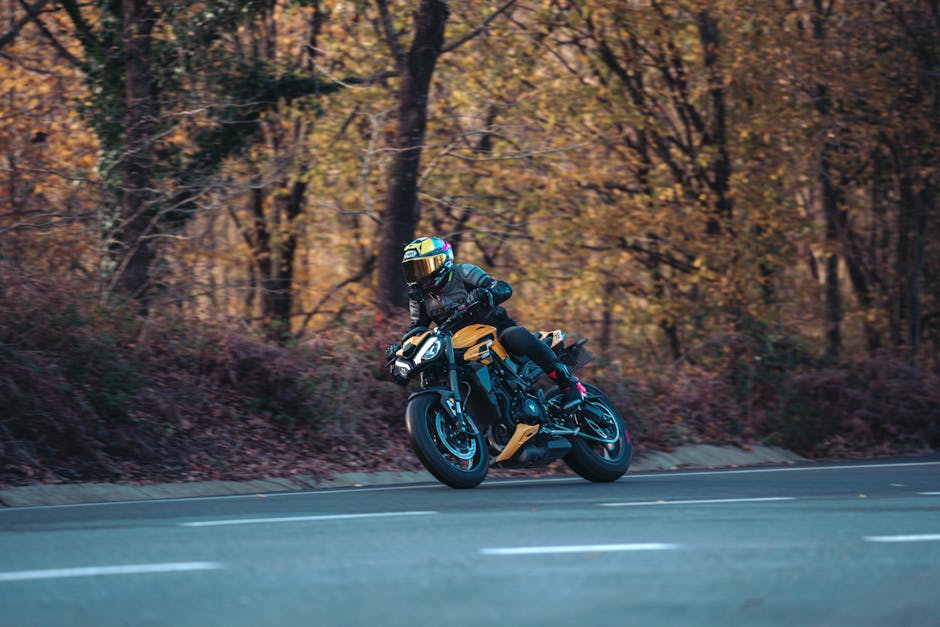
Commuters often deal with “variable” weather where a heavy-duty suit is overkill. They need something that can sit in a backpack for weeks and then be deployed for a 20-minute ride home. In these scenarios, the focus shifts from extreme endurance to packability and weight. A lightweight suit should not feel like a plastic bag; it should have enough structure to prevent flapping at speed, which can be incredibly distracting and fatiguing for the rider.
Alpinestars Hurricane Rain Jacket
The Alpinestars Hurricane is a dedicated lightweight shell that retails for about $109.95. It is constructed from ultra-light, PU-coated poly-nylon fabric that has been specially treated to prevent it from sticking to leather gear. It includes its own transport bag, which compresses the jacket down to the size of a large grapefruit. The seams are twin-stitched and tape-sealed to ensure no water ingress at the needle holes, which is where most lightweight jackets fail.
- Technical Specs: Poly-nylon fabric; tape-sealed seams; elasticated cuffs and waist; high-visibility colorways available.
- Pro: Includes a versatile adjustment system on the arms and waist to prevent material flapping at high speeds.
- Con: Lacks external pockets, which can be frustrating if you need to access a toll card or garage remote quickly in a storm.
Nelson-Rigg Stormrider Rain Suit
If budget is the primary constraint, the Nelson-Rigg Stormrider is a staple of the market, usually priced around $59.95 for the full two-piece set. It is made from a soft polyester backing with a PVC outer. While it lacks the breathability of more expensive membranes, it is undeniably effective at blocking water. It is a functional, no-frills option for riders who only occasionally find themselves caught in the rain and need a reliable “emergency” layer.
- Technical Specs: PVC-backed polyester; two-piece design; heat shields on lower inner legs to prevent melting on exhaust pipes.
- Pro: Extremely affordable and includes both jacket and pants in one package; features cooling vents under the arms.
- Con: The PVC construction is heavy and can cause significant sweating in temperatures above 65°F (18°C) due to lack of breathability.
The most common failure point in motorcycle rain gear is not the fabric itself, but the “wicking” that occurs at the neck, wrists, and ankles. If your gloves are tucked under your sleeves, water can run down your arm and into the glove. If they are over the sleeves, water can run into the cuff. Proper layering and interface management are as important as the gear itself.
The Mechanical Integrity of Seams and Closure Systems
A rain jacket is only as waterproof as its weakest point, which is almost always the seams. Every time a needle passes through fabric, it creates a hole. In a standard garment, these holes are negligible, but at 70 mph in a downpour, they are entry points for moisture. High-quality motorcycle rain gear utilizes “seam taping,” where a waterproof thermoplastic tape is heat-welded over the seams on the inside of the garment. When inspecting gear, always look for the “fully taped seams” specification.
Zippers are another critical failure point. Standard zippers are essentially a series of holes held together by plastic teeth. To combat this, manufacturers use “water-resistant” zippers (like the YKK AquaGuard) which feature a PU coating over the teeth. However, even these can fail under high pressure. The most reliable solution is a “storm flap”—a piece of waterproof fabric that folds over the zipper and secures with Velcro or snaps. This creates a labyrinth seal that prevents wind-driven rain from ever reaching the zipper itself.
Optimizing Visibility and Passive Safety Features
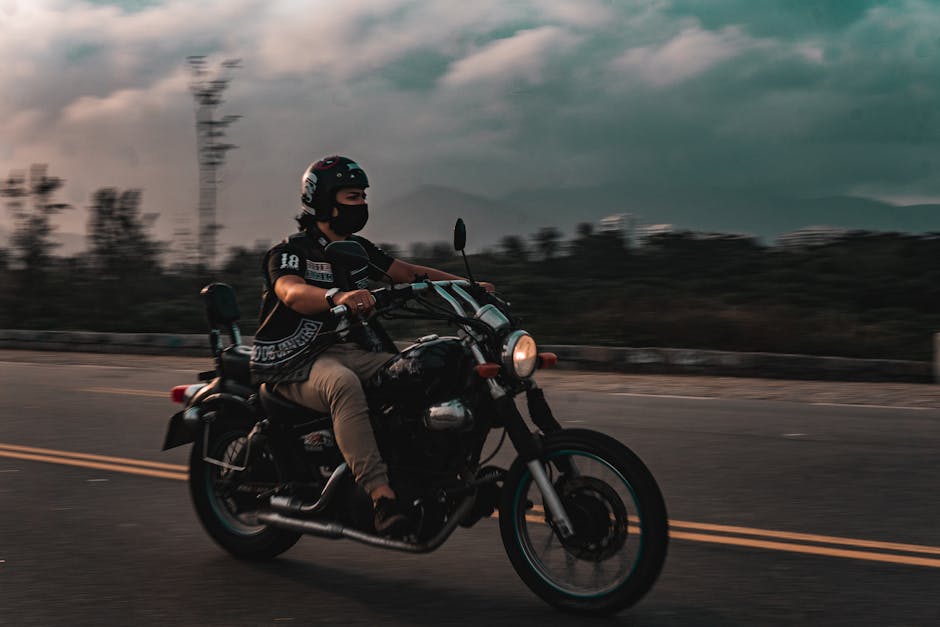
Rain significantly reduces visibility for all road users. For a motorcyclist, who already has a smaller profile, being seen is a matter of survival. The best motorcycle raincoats integrate passive safety features that go beyond simple “high-vis” colors. While neon yellow or orange is helpful during the day, these colors lose their efficacy at night or in heavy gray fog. This is where retro-reflective materials become essential.
Retro-reflective panels, such as those made by 3M, work by reflecting light back to its source (the car’s headlights) with minimal scattering. Look for rain gear that features “bio-motion” reflective patterns. These are strips placed on moving parts of the body, like the elbows and knees. When a driver sees two moving points of light, their brain recognizes it as a human figure much faster than a static block of reflective material. Furthermore, ensure the reflective elements are positioned so they are not obscured by your bike’s fairings or your luggage.
Long-term Maintenance Protocols for Technical Membranes
Waterproof gear is not a “buy once and forget” investment. Most high-quality raincoats use a DWR (Durable Water Repellent) coating on the outer fabric. This coating causes water to bead up and roll off. When the DWR wears off, the outer fabric becomes saturated—a condition known as “wetting out.” While the internal membrane may still be waterproof, a saturated outer layer prevents breathability and makes the jacket feel heavy and cold. Restoring this beading effect is the most critical part of maintenance.
The Cleaning Process for Technical Fabrics
Never use standard laundry detergents on technical rain gear. Standard detergents are designed to break down oils and can leave behind hydrophilic (water-attracting) residues that kill the DWR. Instead, use a dedicated tech wash, such as Nikwax Tech Wash or Grangers Performance Wash. Wash the garment on a gentle cycle with cold water. If the care label allows, a short tumble dry on low heat (usually 20 minutes) can actually help reactivate the existing DWR by realigning the polymer chains in the coating.
Re-proofing the Waterproof Membrane
When washing no longer restores the beading effect, it is time to apply a new DWR coating. You can use a spray-on product