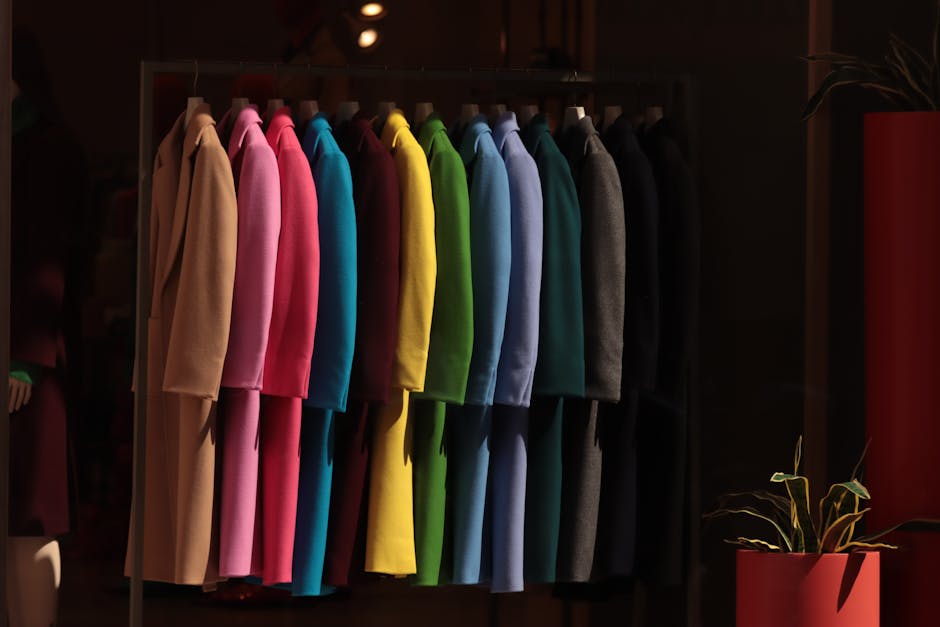
Cheap Fashion Brands in Japan That Are Actually Worth Buying
Japan has an entire tier of affordable fashion that most people outside the country never encounter. GU sells jeans for ¥1,990. Shimamura stocks basics cheaper than Primark. WEGO runs entire coordinated outfits under ¥5,000. The quality gap between these brands varies significantly — knowing which ones to trust changes what you spend and what you bring home.
Why Japan’s Budget Fashion Exists in a Different Category
The domestic retail market in Japan is unusually competitive, even by global standards. Walk down a major shopping street in Shibuya or Osaka’s Shinsaibashi and you’ll pass more clothing stores per block than most cities have per neighborhood. That density creates intense pressure on budget brands to maintain a quality floor. A store that disappoints a customer once loses them permanently to the three competitors next door.
This is not how fast fashion operates in the West. Western budget brands run primarily through online channels, where a disappointed customer may return months later with the negative experience faded. Japanese budget brands live in physical retail environments with immediate comparison shopping available steps away. The result is a baseline construction quality that holds up better than the price suggests.
Many of the brands in this category have operated for decades — some dating back to the 1950s, others to the 1980s and 1990s. These aren’t pop-up brands built on social media virality. They carry long domestic market histories behind their product decisions, and their quality floors reflect accumulated feedback from millions of repeat customers over years.
There’s also an aesthetic discipline embedded in the category. Minimalism, clean silhouettes, and tonal restraint dominate Japanese casual fashion at every price point. A ¥990 basic tee from a Japanese budget brand tends to photograph more intentionally than equivalents from Western fast fashion at similar prices — not because of superior materials, but because the shoulder fit is trimmer and the fabric drapes without pulling. That’s an aesthetic output of manufacturing standards shaped by a demanding domestic market.
Sizing, however, is consistently challenging. Japanese brands run small compared to Western equivalents, and the gap varies by brand and cut. If this is your first time shopping in the category, size up by at least one, and never skip trying things on in-store.
Japan’s Cheap Fashion Brands, Side by Side

These seven brands cover the full affordable range of Japanese fashion — from utility basics at near-cost pricing to fabric-forward pieces with genuine design intention. Prices are in yen with USD equivalents at approximately ¥150 to $1.
| Brand | Price Range | Style Profile | Best For | Ships Internationally |
|---|---|---|---|---|
| GU | ¥490–¥3,990 ($3–$27) | Minimalist basics, trend-adjacent | Most shoppers — broadest wardrobe fit | Limited Asian markets |
| Shimamura | ¥300–¥2,000 ($2–$13) | Functional staples, innerwear | Pure utility buying only | No |
| WEGO | ¥990–¥4,500 ($7–$30) | Y2K, streetwear, Harajuku-adjacent | Teens and young adults with a defined aesthetic | Yes (dedicated international site) |
| LOWRYS FARM | ¥1,500–¥6,000 ($10–$40) | Relaxed feminine, earth tones, natural fabrics | Women in their 20s–30s seeking casual elegance | Limited |
| earth music & ecology | ¥1,500–¥7,000 ($10–$47) | Cottagecore, cotton/linen, soft natural tones | Minimalist buyers who prioritize fabric quality | Yes (Rakuten Global Market) |
| Honeys | ¥990–¥3,990 ($7–$27) | Feminine, polished, office-casual | Budget workwear for women | Limited |
| SPINNS | ¥1,000–¥5,000 ($7–$33) | Vintage-influenced, subculture styling | Harajuku and second-hand aesthetic buyers | No |
GU is the safest starting point for anyone new to this category. Shimamura is a different proposition entirely — think of it as a utility store that happens to sell clothing, not a fashion brand. WEGO occupies a very specific aesthetic lane that either fits your style completely or misses entirely.
Why Harajuku Shopping Misleads Most Visitors
Harajuku is one of the most photographed shopping districts in the world. It’s also one of the worst places to form accurate expectations about what Japanese fashion costs.
The boutiques along Takeshita Street and the surrounding blocks cater to niche subcultures, collectors, and imported pieces. Prices reflect scarcity and aesthetic specificity, not Japan’s retail average. Spending ¥8,000 on a vintage-influenced jacket in Harajuku tells you nothing about what that style costs fifteen minutes away by train.
Japan’s mainstream budget fashion lives in standalone stores on commercial streets, large suburban shopping malls, and mid-size fashion buildings in major commuter areas. These locations stock the brands at the prices that most Japanese people actually pay. If your only Japan fashion reference is Harajuku, you’ve seen a curated exception. The real market is quieter, cheaper, and far more consistent.
Five Mistakes That Cost Budget Shoppers Money in Japan
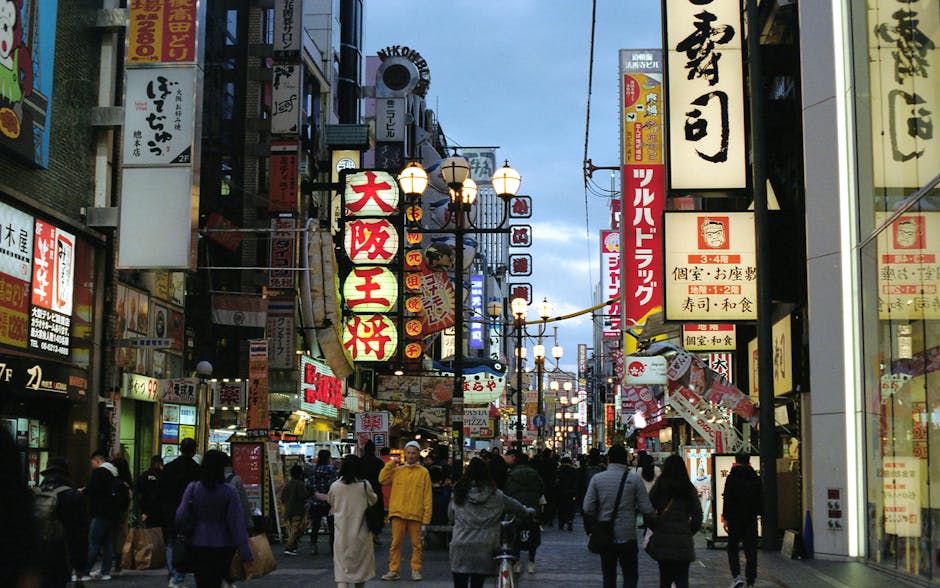
These patterns repeat constantly among first-time visitors to Japan’s budget fashion scene.
- Building price expectations from specialty districts. Harajuku boutiques and similar areas cater to niche aesthetics and tourists. Prices there don’t represent what the same style costs in mainstream retail. Before assuming something is expensive or cheap, compare across both environments — the gap can be 3x or more.
- Ignoring sizing before buying. Japanese sizing runs small, and the gap varies by brand and cut. GU offers expanded sizing in some stores; Shimamura does not. LOWRYS FARM’s L can correspond to a Western M or even S on many cuts. In-store, try everything on. Online, default to one size up and adjust from there.
- Buying trend pieces from the cheapest brands. Budget brands cycle seasonal trends faster than Western chains. A trend piece that looks sharp in the first week of a new collection reads dated within a season or two. Buy basics from GU and Shimamura. When spending more, move up to LOWRYS FARM or earth music & ecology — better construction holds the look across seasons rather than just weeks.
- Skipping Japan’s second-hand market entirely. Japan has arguably the best second-hand clothing infrastructure anywhere in the world. RAGTAG stocks designer resale at steep discounts. Kinji in Harajuku offers curated vintage sold by weight. Chicago carries well-organized vintage within walking distance of most major shopping districts. A ¥3,000 second-hand piece from a quality Japanese mid-range brand almost always outperforms a ¥3,000 new piece from the budget tier — in both quality and originality.
- Looking for budget brands inside department stores. GU, Shimamura, and WEGO don’t operate from within department stores. They run standalone locations, dedicated shopping malls, and fashion buildings. Department store budget floors carry different inventory, typically at worse value. If you’re expecting to find these brands inside a department store, you won’t.
How to Buy Japanese Budget Fashion From Outside Japan
Which brands ship internationally without a proxy?
WEGO operates a dedicated English-language international site with direct shipping. Factor in ¥1,500–¥2,500 (~$10–$17) per order. Their aesthetic translates well to online purchasing because pieces are visually distinctive, and oversized streetwear cuts reduce fit risk compared to tailored pieces.
earth music & ecology is available through Rakuten Global Market, which ships to most countries. The Rakuten interface is clunky but functional. Their natural-fabric pieces — cotton gauze blouses, linen-blend dresses — photograph accurately enough that ordering without seeing them in person carries low risk. Search the brand name directly on Rakuten’s global site rather than browsing categories.
How do you get GU outside Japan?
GU’s international shipping is restricted to a small number of Asian markets. For everyone else, three options exist: use a proxy shopping service (Buyee and White Rabbit Express both have reliable English interfaces), wait for a physical trip to Japan, or find GU resellers on Mercari’s international platform. Mercari operates in the US and Canada with substantial Japanese-sourced inventory listed regularly.
Is Shimamura worth the effort of proxy shopping?
Rarely. Shimamura has no international e-commerce. A proxy service technically works, but shipping a ¥500 item adds ¥1,500 or more in service and shipping fees. The math only makes sense if you’re including Shimamura basics as add-ons inside a larger proxy order already covering other brands.
An Honest Assessment of Quality at These Price Points
What most buyers actually want to know: how long does this last, and what breaks first?
GU basics hold up. Their cotton jersey t-shirts survive 20–30 wash cycles without significant color fade or shape loss — the actual durability test for a basic. Fabric weight on their jersey pieces sits around 160–180gsm, standard for mass-market basics and comparable to H&M’s equivalent tier. GU denim is a different story. At ¥1,990, their jeans are functional but stiff — the fabric lacks stretch and the cut runs boxy on most body types. If denim is central to your wardrobe, spend more elsewhere.
Shimamura’s utility items defy their price point. Their socks, innerwear, and basic knit pieces hold up in ways their trend-forward seasonal pieces don’t. The split is nearly binary: utility items from Shimamura are worth every yen. Their fashion pieces are not.
WEGO is the most variable brand in this group. Their baseline cotton basics compare to GU in construction. Their trend pieces — sheers, embellished items, anything with novelty construction — are unpredictable. WEGO statement pieces sometimes look better on the hanger than after a single wash cycle. Safest buys are their outerwear and plain cotton knits. Avoid anything with complex embellishment if long-term wear matters.
earth music & ecology sits above this tier on fabric quality. The brand sources natural fibers — cotton gauze, linen blends, washed cotton — that are noticeable even at lower price points. Their ¥2,000–¥3,000 blouses in linen or cotton gauze compare favorably to Western brands at twice the price. The construction isn’t exceptional, but the base materials are honest.
One practical marker to check across all these brands: seam allowances. Japanese budget brands generally leave better seam allowances than Western equivalents at the same price point — typically 1–1.5cm versus the sub-1cm common on Western fast fashion. If you plan to tailor or alter pieces, this matters more than most buyers realize. A ¥1,000 GU shirt with real seam allowances is a better tailoring candidate than a ¥3,000 piece from a Western chain with none.
Which Brand to Start With Based on Your Style
Here is the actual verdict.
For minimalist basics with maximum wardrobe versatility: GU. It works across any aesthetic, any age group, any existing wardrobe. One practical note: GU and Uniqlo share the same parent company and deliver comparable quality on basics, but GU runs 30–50% cheaper. A GU relaxed Oxford shirt costs ¥1,490. The Uniqlo equivalent is ¥2,990. On t-shirts, trousers, and simple dresses, buy GU. The only reasons to choose Uniqlo over GU are its outerwear, HeatTech thermal base layers, and premium fabric lines.
For Harajuku-adjacent streetwear, Y2K styling, or subculture looks: WEGO for the broadest catalog and international availability, SPINNS for a more curated vintage-influenced selection available only in Japan.
For feminine clothing in natural fabrics and muted earth tones: earth music & ecology is the clear answer. Their aesthetic travels well — it doesn’t read as distinctly subcultural in a way that limits how it integrates into a non-Japanese wardrobe. And they ship internationally through Rakuten Global Market.
For pure utility — innerwear, socks, functional basics: Shimamura wins on price, and the quality-to-cost ratio on utility items is genuinely difficult to match anywhere globally.
A practical note for first-time visitors: pick two brands rather than trying to cover all of them. The overlap between GU, LOWRYS FARM, and earth music & ecology means you’ll end up with duplicates if you try to shop everything in limited time. Choose GU plus one other brand that aligns with your specific aesthetic, and you’ll leave with a more coherent wardrobe than someone trying to hit six stores in two hours.
Japan’s budget fashion brands aren’t standing still. GU has been expanding into collaborative collections and premium sub-lines that push against what the brand can deliver at its price tier. What you get at ¥1,990 today is a meaningfully better product than the same price bought five years ago — and the ceiling on what affordable means in this category keeps rising.