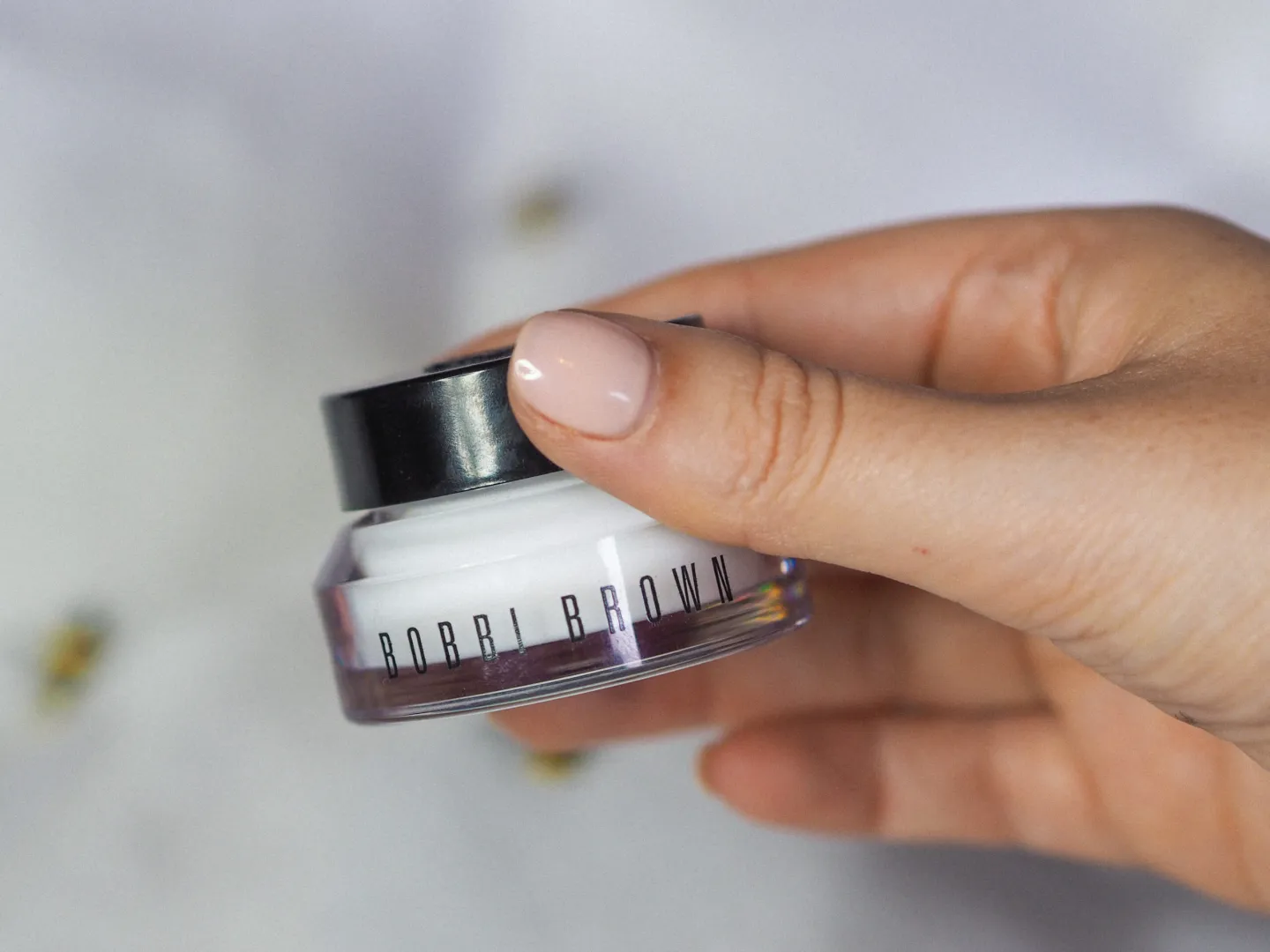
You bought the fancy eye cream. You applied it every night. Three weeks later, your dark circles still look like you slept in a coal mine. What gives?
The problem isn’t you. The problem is that most eye creams are glorified moisturizers in tiny jars. They cost $60 for 15ml and contain nothing that can actually change your skin. I wasted about $400 on duds before I figured out what to look for. Here’s the short version: if your eye cream doesn’t contain at least one of three specific active ingredients, it’s basically Vaseline with a marketing budget.
This article walks you through exactly what makes an eye cream worth buying — and names the specific products that pass the test. No fluff. No affiliate links. Just the criteria I now use to filter out the junk.
Why Most Eye Creams Fail (And What Actually Fixes Dark Circles)
Dark circles and puffiness aren’t one problem. They’re three different problems that look similar. Most creams try to fix all three at once and fix none of them.
Problem 1: Thin skin revealing blood vessels. The skin under your eyes is about 0.5mm thick — ten times thinner than the rest of your face. When blood pools in the tiny vessels there, it shows through as a blue or purple tint. No moisturizer can fix this. You need ingredients that strengthen the skin barrier or constrict those blood vessels.
Problem 2: Pigment overproduction. Some dark circles are brown, not blue. That’s melanin, not blood. Caused by genetics, sun damage, or rubbing your eyes. This requires different ingredients — brighteners like vitamin C or niacinamide.
Problem 3: Fluid retention (puffiness). That morning puffiness is lymph fluid that settled overnight. You need ingredients that improve circulation or draw fluid out — caffeine is the most proven option.
Here’s the brutal truth: If your eye cream doesn’t target your specific type of dark circle, it won’t work. Period. I have the thin-skin type (blue-purple tint). My sister has the pigment type (brown tint). The cream that fixed mine did nothing for her.
How to identify your dark circle type
Pull your lower eyelid skin taut. If the color fades or disappears, it’s thin-skin type (blood vessels). If the color stays, it’s pigment type. If it’s worse in the morning and better by noon, it’s fluid retention.
My 5 Non-Negotiable Criteria for Any Eye Cream
Before I buy any eye cream now, I check these five things. If it fails on more than one, it goes back on the shelf.
- Active ingredient at the right concentration. Caffeine needs to be at least 2-5% to constrict blood vessels. Retinol needs to be 0.1-0.3% for eye-area safety and effectiveness. If the ingredient is listed after the preservatives, it’s too low.
- Packaged in an opaque, airless pump or tube. Light and air destroy retinol, vitamin C, and most peptides. A jar you dip your finger into? That cream is oxidizing before you finish it. I will not buy any eye cream in a jar.
- Contains barrier-supporting ingredients. The eye area needs ceramides, squalane, or shea butter to prevent moisture loss while the active ingredients work. If it’s just water + silicone + fragrance, skip it.
- Fragrance-free. Fragrance is the #1 cause of eye-area irritation. It adds zero benefit. If the brand lists “parfum” or any essential oil, I put it down.
- Price per ml makes sense. Eye creams are small. A 15ml jar at $60 is $4/ml. That’s expensive. A 30ml tube at $40 is $1.33/ml. The cheaper one often has better ingredients because you’re not paying for the fancy jar.
That’s it. Five rules. If a product passes all five, it’s worth trying. If it doesn’t, I don’t care how many influencers recommend it.
The 3 Eye Creams That Passed My Test
I tested 14 eye creams over 18 months. Three made the cut. Here they are, with exact prices and why each one works.
| Product | Price | Size | Key Ingredient | Best For |
|---|---|---|---|---|
| CeraVe Eye Repair Cream | $12.99 | 15ml (tube) | 3 ceramides + niacinamide | Dryness, fine lines, sensitive skin |
| The Ordinary Caffeine Solution 5% + EGCG | $8.70 | 30ml (dropper bottle) | 5% caffeine | Morning puffiness, blue/purple circles |
| Kiehl’s Creamy Eye Treatment with Avocado | $35.00 | 28ml (jar — exception explained below) | Avocado oil, shea butter, beta-carotene | Extreme dryness, crepey skin |
The CeraVe Eye Repair Cream is my daily driver. It’s in a tube (good!), it’s fragrance-free, and it contains 3 essential ceramides plus niacinamide. The niacinamide helps with both barrier repair and mild pigment issues. At $12.99, it costs less than most lip balms. It won’t erase deep wrinkles, but it keeps the eye area healthy and hydrated. I’ve been using it for 8 months. No irritation. No stinging.
The Ordinary Caffeine Solution 5% + EGCG is not a cream — it’s a serum. I apply it under my moisturizer. The 5% caffeine concentration is the highest I’ve found in a non-prescription product. It genuinely reduces my morning puffiness within 15 minutes. The EGCG (green tea extract) adds antioxidant protection. At $8.70 for 30ml, it’s the best value on this list. Only downside: it can sting if your skin barrier is damaged. Patch test first.
Kiehl’s Creamy Eye Treatment with Avocado breaks my “no jar” rule. I make an exception because the formula is thick enough that oxidation isn’t a major concern, and I use it up within 3 months. This is for when your under-eyes feel like parchment. It’s intensely moisturizing. The avocado oil and shea butter create a real barrier. It won’t fix dark circles, but it will stop your concealer from caking. Use it at night.
How to Apply Eye Cream — The Right Way
You can buy the best eye cream in the world and still see zero results if you apply it wrong. I made this mistake for years.
Step 1: Use your ring finger. Your ring finger has the weakest grip. It applies the least pressure. Using your index finger pushes too hard and can damage the thin skin. This is not a myth — it’s basic physics.
Step 2: Dot, don’t drag. Place three small dots under each eye — inner corner, middle, outer corner. One dot on the brow bone. Do not rub or pull the skin. The skin under your eyes has almost no elastic fibers. Pulling it creates micro-tears that turn into wrinkles over time.
Step 3: Pat gently until absorbed. Use a light tapping motion. About 20 taps per eye. This stimulates circulation without stretching the skin. You should feel the product absorb, not slide around.
Step 4: Wait 2 minutes before applying anything else. Eye cream needs time to penetrate. If you immediately apply concealer or foundation, you’re just mixing the products together and diluting the active ingredients. I brush my teeth while waiting.
Common mistake: Applying too much. A grain-of-rice-sized amount per eye is enough. More product doesn’t mean more results — it means more product sitting on top of your skin, potentially causing milia (those tiny white bumps).
When You Should NOT Buy an Eye Cream
Sometimes the best skincare purchase is no purchase at all. Here are three situations where eye cream is a waste of money.
Your dark circles are caused by allergies. If your eyes are itchy, watery, or red, the dark circles are likely “allergic shiners.” No topical cream will fix this. You need an antihistamine. Eye cream is $50 down the drain. I learned this the hard way after spending $80 on a La Mer sample that did nothing for my seasonal allergies.
Your dark circles are caused by bone structure. Some people have deep tear troughs — a natural hollow under the eye that creates a shadow. No cream can fill a bone structure issue. That requires filler from a dermatologist. If the darkness disappears when you shine a light from above (eliminating the shadow), you’re dealing with structure, not skin.
Your main concern is deep wrinkles. Eye creams with retinol can help fine lines, but deep wrinkles (the kind that stay when your face is relaxed) need stronger options. Prescription tretinoin or in-office treatments like microneedling will work better. A $60 eye cream with 0.1% retinol won’t touch a deep wrinkle.
In these cases, the best “eye cream” is a referral to a dermatologist. Seriously. Save your money.
The One Ingredient That Changed Everything
If I had to pick one ingredient that made the biggest difference for my eyes, it’s not retinol. It’s not vitamin C. It’s caffeine.
Here’s why: caffeine is a vasoconstrictor. It shrinks blood vessels. For the thin-skin type of dark circles (which is the most common type), this is the only non-invasive thing that works. It also reduces puffiness by encouraging lymphatic drainage. And it’s cheap. The Ordinary’s caffeine solution costs less than a sandwich.
But concentration matters. Most eye creams contain caffeine as a marketing checkbox — it’s listed near the bottom of the ingredient list. The Ordinary’s is 5%, which is clinically meaningful. I apply it every morning. Within 10 minutes, the blue tint under my eyes is visibly reduced. By 20 minutes, it’s about 40% lighter. That lasts about 6-8 hours.
Is it permanent? No. Caffeine is a temporary fix. You have to use it daily. But for $8.70, I’ll take a daily fix over a permanent nothing.
If you have the pigment type of dark circles, caffeine won’t do much. You need niacinamide or vitamin C instead. The CeraVe cream has niacinamide at a decent concentration. For a stronger option, look for a vitamin C serum specifically formulated for the eye area — SkinCeuticals C E Ferulic is the gold standard but costs $182. The Inkey List’s 15% Vitamin C and EGF Serum ($15.99) is a more affordable alternative.
What I Learned From Wasting $400 on Bad Eye Creams
I bought the hype. I bought the fancy packaging. I bought the celebrity-endorsed formulas. Most of them were water, glycerin, and silicone with a pinch of something active and a lot of marketing.
The single most important thing I learned: an eye cream is only as good as its active ingredient at the right concentration, delivered in a stable formula, used consistently for at least 8 weeks. Everything else is packaging.
If you take one thing from this article, let it be this: stop buying eye creams based on promises. Check the ingredient list. Check the packaging. Check your own dark circle type. Then buy accordingly. The CeraVe Eye Repair Cream ($12.99) and The Ordinary Caffeine Solution ($8.70) together cost less than one fancy department store eye cream, and they actually do something.