
Cozy fall outfits do not require five bulky sweaters. The real trick is controlling thickness, texture, and warmth in the right order. Start with a close-fitting base, add one insulating layer, then finish with a roomy outer layer that can handle wind or rain. That simple sequence gives you more combinations, fewer overheated moments, and clothes that still look polished indoors.
Why good fall layering starts with less fabric
My verdict: build warmth from thin layers instead of buying one oversized sweater. Layering works because each garment handles a different job. The first layer manages sweat and keeps fabric from rubbing against your skin. The middle layer traps warm air. The outer layer blocks wind, light rain, or cold seats on a morning commute. When one thick piece tries to do all three jobs, it usually feels hot inside, cold outside, or awkward under a coat.
Use the thin-to-thick order
Put the smoothest and thinnest item closest to your body. A fitted long-sleeve shirt or thin turtleneck should sit under a shirt, cardigan, or light sweater. The middle layer can have more texture because it does not need to slide under another sweater. Your final layer needs the most room through the shoulders and upper arms.
Keep the visual weight moving outward. A thin neckline, medium-weight knit, and structured jacket look balanced because each layer is easy to identify. Three pieces with the same thickness create a stiff, crowded shape.
Leave room for movement
Check the armholes before buying. Raise both arms, cross them, and sit down. If the base layer pulls at the shoulders or the outer layer cuts into your armpits, the outfit will feel wrong after ten minutes. Aim for about 1 inch of extra room at the chest in a fitted middle layer and closer to 2 inches in a jacket worn over a sweater.
Choose texture with purpose. Cotton feels familiar but can stay damp after a long walk. Wool adds warmth without much bulk. Smooth synthetic fabric dries faster and works well for active commutes. The best fall wardrobe uses all three instead of treating one fiber as the answer to every weather problem.
How to assemble a warm outfit in five steps

Use this five-step order when you are standing in front of a full closet and still have nothing to wear. It keeps the process practical and makes each piece earn its place.
- Read the forecast. Check the morning and afternoon temperatures, wind, and rain. A 55°F day with strong wind needs a different outfit from a calm 55°F day.
- Pick the base by activity. Choose a close-fitting long sleeve for walking, a breathable cotton tee for a short indoor day, or a thin turtleneck when you want a clean neckline under a cardigan.
- Add one visible middle layer. Use a button-down shirt, cardigan, vest, or lightweight sweater. Let one hem, cuff, or collar show. Too many visible edges make the outfit look accidental.
- Choose the outer layer by exposure. A denim jacket works for dry weather. A wool coat handles cold air better. A water-resistant shell wins when rain matters more than structure.
- Finish with one grounding item. Straight-leg jeans, a long skirt, or trousers give the upper layers a clear base. Add socks and shoes that match the weight of the clothes above them.
Before leaving, remove one item and look in the mirror. If the outfit still feels warm enough, it probably has better proportions. The goal is not maximum clothing. It is the smallest set of layers that keeps you comfortable through the entire day.
A simple temperature map
| Outdoor condition | Base | Middle | Outer layer |
|---|---|---|---|
| 60–65°F, dry | T-shirt or thin long sleeve | Open shirt or light cardigan | Optional denim jacket |
| 50–59°F, breezy | Fitted long sleeve | Merino sweater or cardigan | Trench or lined jacket |
| 40–49°F, cold | Thermal or fine-knit base | Wool sweater | Wool coat or insulated jacket |
Use the map as a starting point, then adjust for how much you walk and how warm your home or office runs. Indoor heating is why removable middle layers matter.
What makes a layered outfit look bulky?
The fastest fix for a bulky fall outfit is to reduce overlap at the waist and shoulders. Most bad layering comes from poor proportions, not from wearing too many clothes. A long shirt under a cropped sweater can bunch at the waist, while a tight jacket over a thick knit makes the shoulders look square. Keep one area relaxed and the other controlled: a loose jacket over a slim base, or a fitted jacket over a thin sweater.
Should every layer be the same length?
No. Matching hems can make the outfit look stiff. A small difference of 1 to 3 inches gives the eye a clear order. Let a shirt hem peek below a sweater, or keep the base hidden and show only the collar and cuffs. Avoid five separate hems ending at different points across the hips; that creates visual noise.
How do you stop sleeves from bunching?
Choose a base with smooth sleeves and a close cuff. Push the base sleeve slightly above the wrist before adding the middle layer, then pull it back into place. If the sleeve still gathers, the garment is too loose for that combination. A thin knit sleeve usually layers more cleanly than a ribbed or heavily textured one.
When should you skip a layering piece?
Skip the cardigan if the jacket already has insulation and you will spend most of the day indoors. Skip a scarf when the neckline is already high and the coat collar sits close to your face. Skip a long overshirt under a short jacket if the hem creates a sharp horizontal line at the widest part of your hips. Removing one piece often improves both comfort and shape.
Fit matters more than color matching. Neutral colors make mixing easier, but a well-fitted rust sweater with dark navy trousers looks better than a beige outfit built from pieces that pinch, pull, or collapse.
Which layering essentials are worth buying first?

Buy the base layer first, then the middle layer, then shoes or outerwear. That order gives you the most outfits from the smallest budget. Prices below are listed in U.S. dollars and were checked in October 2026; sales and stock can change.
| Piece | Current price | Useful detail | Verdict |
|---|---|---|---|
| UNIQLO HEATTECH T-Shirt | $19.90 | Lightweight, moisture-wicking base for cool commutes | Best first purchase for a small budget |
| UNIQLO Women’s Merino Sweater | $49.90 | Fine merino knit that fits under a jacket | Best everyday middle layer |
| Madewell Merino Wool Collared Cardigan | $138 list price | 100% merino wool with a shirt-like collar | Best for smart-casual outfits |
| Levi’s 501 Original Jeans | $110 | Straight fit and rigid denim structure | Best grounding piece for relaxed layers |
| Dr. Martens 1460 Smooth Leather Boots | $180 | Eight-eye lace-up boot with a sturdy sole | Best for adding weight to soft upper layers |
The strongest starter combination is the UNIQLO HEATTECH base, UNIQLO merino sweater, Levi’s 501 jeans, and a shoe you already own. Add the Dr. Martens 1460 only if you regularly wear ankle boots and want a durable, high-contrast finish. Buy the Madewell cardigan when your wardrobe needs a polished layer for offices, dinners, or travel.
Do not buy all five pieces at once. First check your closet for gaps in weight and length. If you already own several thick sweaters, a thin base will create more outfits than another sweater.
Which fall layers should you skip?
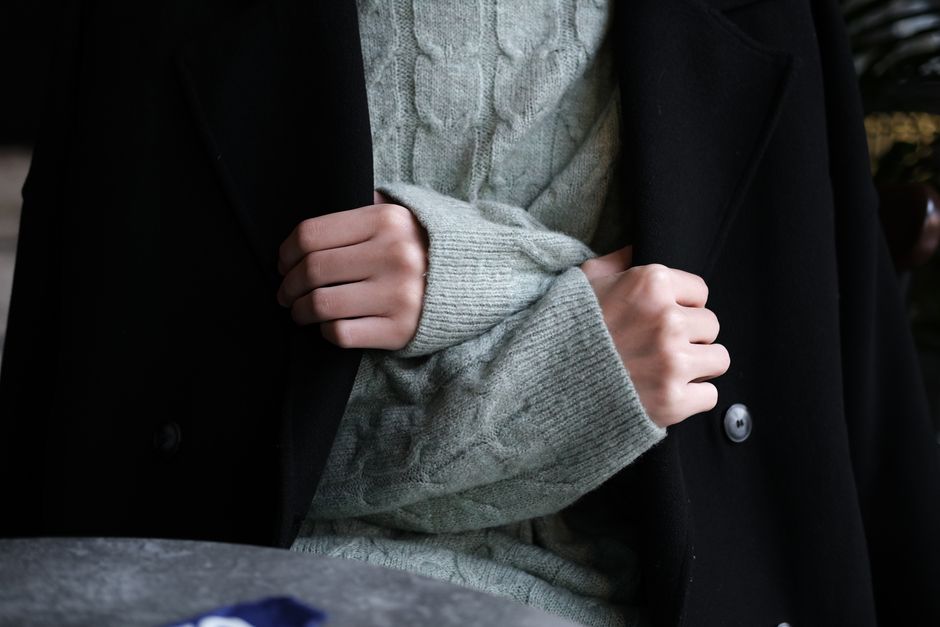
Skip any piece that solves a problem your wardrobe does not have. A trendy oversized shacket is not a smart buy if your jackets already feel tight over sweaters. A chunky turtleneck is the wrong choice if you commute by train and spend most of the day in overheated rooms. A cream sweater may look beautiful, but it needs more care than a darker color and shows makeup, coffee, and rain marks quickly.
Should you buy merino or synthetic fabric?
Choose merino when you want temperature control, low bulk, and a layer that can look polished. Choose synthetic fabric when you sweat heavily, wash clothes often, or need faster drying. Merino costs more and usually needs gentler care. Synthetic fabric handles active use better but can hold odors and may look less refined. For most wardrobes, one of each is a better plan than buying several versions of one fabric.
When should you skip the Levi’s 501?
Skip the Levi’s 501 Original Jeans if you dislike rigid denim or need stretch for long sitting days. The straight shape gives layered outfits a strong base, but the no-stretch feel is not comfortable for everyone. Choose a stretch straight jean or relaxed trouser instead if you need more movement. A pair of jeans is only useful when you will actually wear it through a full day.
When are Dr. Martens 1460 boots the wrong choice?
Skip the Dr. Martens 1460 if you need a light shoe, have no time to break in stiff leather, or walk long distances on hard pavement every day. Their visual weight works best with denim, longer skirts, and substantial outerwear. For a softer outfit, choose a lighter leather ankle boot or sneaker. The best shoe should support the outfit’s proportions without making your feet pay for the styling.
Fall dressing keeps moving toward flexible wardrobes: fewer pieces, more combinations, and fabrics that work across indoor and outdoor temperatures. Once the base, middle, and outer layers each have a clear job, new seasonal trends become optional details instead of expensive emergencies.