
Designer Dupes That Actually Look Expensive: A 2026 Buyer’s Guide
Are you paying $2,500 for a bag because it’s better made — or because of the logo?
That’s the real question behind the dupe economy. And the honest answer, most of the time, is both. Designer pieces command premium prices for a combination of genuine quality and branding power. The trick is figuring out which part you’re actually paying for — and whether a $120 alternative delivers the same visual result at a dinner table or on a commute.
This guide is not about knockoffs with counterfeit logos. It’s about legally manufactured alternatives that replicate the aesthetic of expensive fashion, not the trademark. There’s a meaningful legal and ethical difference. Knowing it will save you money on both sides of this equation.
This is not financial advice. Product prices fluctuate. Verify current listings before purchasing.
What Your Eye Actually Reads as Expensive
Before spending anything, you need to understand the specific physical signals your brain interprets as expensive. Marketing tells you it’s about the brand. It isn’t. It’s about four or five concrete details that register before you’ve consciously clocked the item.
Hardware and Stitching Tell the Real Story
Pick up any two handbags — a $2,200 Celine and a $45 fast-fashion version. The first thing your fingers notice isn’t the leather. It’s the weight and temperature of the hardware. Quality zippers, clasps, and chain straps use brass or zinc alloy. They feel cold and heavy when you hold them. Cheap hardware is lightweight and warm — it feels hollow because it often is.
Stitching is the other instant giveaway. On quality pieces, lines are even, tight, and color-matched or deliberately contrasted. On low-end dupes, stitching wanders slightly, threads hang loose at stress points, and spacing is inconsistent across a seam. You can see this in product photos if you zoom in. Do it before you buy.
Neither of these signals requires spending $2,000. They require spending enough to clear the threshold where a manufacturer stops cutting corners on raw materials.
Material Weight and Drape
For clothing, what reads as expensive is largely about how fabric moves. Cheap polyester clings and reflects light in unflattering, obvious ways. Heavier fabrics — even mid-weight cotton, viscose, or a poly-linen blend — drape differently against the body. You don’t need cashmere to look like you’re wearing it. You need fabric that falls rather than clings.
Color saturation also signals quality. Rich, deeply saturated tones read well across lighting conditions. Washed-out or slightly muddy colors read as cheap even when the cut is perfect. This is why a $60 Mango blazer in a true camel tone often photographs more expensively than a $90 fast-fashion version in a dull tan.
Structure Over Material Claims
Structure is the single most underrated quality signal. A well-cut coat with clean shoulders and a defined waist reads expensive at 10 feet, regardless of fabric content. A shapeless coat in the finest wool reads cheap. When comparing dupes, prioritize structure and fit above fabric claims. A polyester blazer that fits perfectly will always look more expensive than a poorly cut wool one. This is not close.
Bag Dupes: What the Numbers Actually Look Like
The handbag category has the most developed dupe market — and the most honest value propositions. Below is a straight comparison of originals against the closest non-logo alternatives available in 2026.
| Designer Original | Retail Price | Dupe Alternative | Dupe Price | Savings |
|---|---|---|---|---|
| Bottega Veneta Cassette Bag | $3,100 | Melie Bianco woven crossbody | $85–$110 | ~$3,000 |
| The Row Margaux Tote | $1,690 | Quince Italian leather tote | $99–$129 | ~$1,560 |
| Loewe Puzzle Bag | $2,500+ | & Other Stories structured bag | $130–$180 | ~$2,350 |
| Celine Box Bag | $2,200 | Charles & Keith boxy shoulder bag | $55–$75 | ~$2,140 |
| Polene Numero Un | $285 | Ecosusi structured shoulder bag | $60–$95 | ~$210 |
The Quince Italian leather tote is the strongest value on this list. Quince sources directly from Italian factories and eliminates retail markup. The leather is genuine, the construction passes inspection at close range, and at $99–$129 it competes with bags priced at $400–$600 in traditional retail. The comparison to The Row is flattering but visually fair.
The Charles & Keith boxy shoulder bag works best in black or cream. In other colorways, the PU leather reads more clearly as synthetic under direct light. Stick to the two neutral options for the most convincing result. The Melie Bianco woven bag pulls off the Bottega Veneta intrecciato look cleanly — the weave structure does the heavy lifting and hides the material quality gap.
Bottom Line: The $80–$150 range is where quality bag dupes actually live. Below $50, you’re gambling on construction. Above $200, you’re typically better off buying a genuine mid-tier brand — A.P.C., DeMellier London, or Strathberry — outright.
Three Filters That Cut Your Dupe Failure Rate
Most people have bought at least one item that looked excellent in photos and deflating in person. These three filters eliminate most of that risk before you spend anything.
- Buy from brand websites, not marketplace listings. Amazon and eBay dupe listings have wildly inconsistent quality because sellers change product sources without updating photos. Go directly to Melie Bianco, Quince, Mango, or & Other Stories — brands with fixed quality standards and actual customer service. You get the same visual result with far less variance.
- Prioritize neutral colors. Dupes in black, cream, camel, and navy are forgiving of minor quality inconsistencies. Bright or trendy colors amplify manufacturing flaws. A red dupe handbag that’s slightly off-tone reads as a miss. A black one reads as deliberate. When in doubt, buy the black version first.
- Check the return policy before you commit. Quality perception is personal. A structured bag that photographs well might feel lightweight in person to you. Any reputable dupe brand offers free returns. If they don’t, that’s a meaningful red flag about what you’re actually receiving.
One more thing that doesn’t get said enough: avoid sizing down on clothing dupes because you prefer how it looks on the model. Cheaper fabrics pull and stretch differently than quality ones. Order your actual size or size up half a step for structured pieces.
Shoe Dupes Worth Buying — and One Category to Skip
Shoes are the hardest category to dupe well, and the advice to “just buy everything from Zara” is wrong for most people. Construction determines comfort, and comfort determines how often you actually wear something.
The Golden Goose Problem
Golden Goose Superstar sneakers retail for $495–$560. They’re pre-distressed to look worn-in — a new sneaker that’s supposed to look old. The visual trick is clever marketing, but the construction underneath is genuinely solid Italian craftsmanship.
Steve Madden’s EZRA sneaker at $65–$80 and H&M’s distressed low-top at $35–$45 both replicate the visual language adequately for casual use. But the Golden Goose sole is meaningfully better for sustained wear. If you walk more than three miles on a given day regularly, the dupe shows its limits within months. If you wear them twice a week for brunch or low-key outings, you will never notice the difference. Know your use case before you decide.
Classic Loafers: Where Dupes Actually Win
The Gucci Horsebit loafer retails for $1,050. The Sam Edelman Loraine loafer is $100. Both have metal hardware, both have the square toe and low block heel. Sam Edelman uses a synthetic insole that some people find less comfortable after extended wear — but the visual difference at a glance is minimal for anyone not holding both side by side.
Steve Madden’s GORING loafer at $85 and the Mango Metal-Detail Loafer at approximately $90 are also worth considering. The Mango version runs slightly narrow; size up half a step. For someone wearing loafers to the office twice a week rather than daily, these are among the cleanest value propositions in the entire dupe category.
Bottom Line: Shoe dupes work best for low-mileage situations. For daily walkers or anyone standing for long shifts, invest in a genuine mid-tier brand — Everlane, M.Gemi, or Thursday Boot Company — instead of cycling through cheap replacements.
When NOT to Buy a Dupe
If you wear something more than three times a week, skip the dupe. Cost-per-wear math turns punishing fast when a $65 item needs replacing every four months while a $280 item lasts three years. That’s not thrift — it’s compounding waste dressed up as savings.
The same math applies to everyday basics: white T-shirts, daily denim, work trousers, shoes you commute in. Buy quality on the things you use constantly. Save the dupe strategy for trend-driven statement pieces you’ll cycle out in a season anyway.
Jewelry and Accessories: Straight Answers
Can gold-plated jewelry actually pass as Cartier?
Visually, yes — as long as there’s no counterfeit Cartier logo on it. The Cartier Love bracelet sells for $1,550 to $6,800 depending on metal and stones. Mejuri’s stackable cuff in 18k gold-plated brass runs $78. PDPAOLA’s vermeil bangles are $60–$95. Neither says Cartier. Both read as high-end minimalist jewelry rather than costume pieces.
The practical issue is longevity. Standard gold plating is 0.5 to 2 microns thick — it wears through in 6 to 18 months with daily skin contact. Mejuri uses 18k gold vermeil over sterling silver (minimum 2.5 microns thick), which holds meaningfully longer. If you’re buying gold-toned jewelry to wear every single day, Mejuri is the honest choice. For occasional wear, even lighter-plated options from & Other Stories at $25–$45 will hold up fine through a season.
What about sunglasses?
Celine Triomphe and Bottega Veneta frames run $350–$600. The optical quality is real — but the frames are often manufactured by Kering-licensed factories alongside several other licensed brands in the same factories. Quay Australia’s frames at $65–$80 use comparable Taiwanese frame manufacturing to many mid-tier eyewear brands. MVMT sunglasses at $95–$135 offer polarized lenses at a significant discount.
One non-negotiable: UV protection certification. Always verify that any sunglasses — dupe or designer — carry UV400 certification. Cheap unprotected lenses can cause more eye damage than wearing nothing at all, because they dilate your pupils while blocking zero UV. This is not a detail you skip for $15 in savings.
Scarves: the easiest dupe win
A Toteme signature stripe scarf is $295. A visually identical version from Zara runs $25–$35 each season. Fabric weight is lower on the Zara version, but worn over a coat, no one gets close enough to notice. This is one of the few categories where a dupe is objectively the rational choice regardless of budget — the marginal quality difference does not support an $260 price gap.
The Real Cost of Getting This Wrong
The most expensive outcome isn’t buying a dupe that looks cheap. It’s buying three cheap dupes in sequence to replace each other while convincing yourself you’re being thrifty.
A $45 Charles & Keith bag that falls apart in six months, replaced by another $45 bag, replaced again — that’s $135 spent over 18 months on the same item three times. The A.P.C. Half Moon Bag at $325 in genuine grained leather would have lasted the same period and retained $80–$100 resale value on Vestiaire Collective or Poshmark. Net cost on the A.P.C.: roughly $230. Net cost on three dupes: $135 with nothing to show. The gap is smaller than it looks, and the A.P.C. experience is categorically different.
Two habits that most dupe content never mentions:
- Shop end-of-season sales at mid-tier brands. Mango, & Other Stories, and Arket routinely run 40–60% discounts at season transitions. A $180 & Other Stories structured bag at $72 on clearance beats any dupe at full price in construction, longevity, and feel.
- Check resale platforms before buying new. Poshmark, Depop, and Vestiaire Collective regularly list genuine designer pieces at dupe-level prices from sellers clearing closets. A used Polene Numero Un at $110 beats a new Ecosusi at $90 in every measurable category — material, hardware, resale value, and satisfaction.
The question at the top of this piece — are you paying for quality or the logo — is the entire framework. For logo-heavy pieces where 90% of the retail price is brand equity (Gucci belt, LV monogram canvas tote), a clean alternative without the logo is a rational financial decision. For pieces where construction genuinely drives the cost — The Row, Bottega Veneta’s leather goods, Celine’s tailoring — a mid-tier brand that actually invests in materials is almost always the smarter play than a budget dupe.
That calculus doesn’t shift based on what’s trending on social media this month.

Rent the Runway vs. Nuuly: Which Dress Rental Service Is Worth It
Dress rental subscriptions address a measurable problem: a single designer dress for one event runs $300–$600 at retail, while a monthly rental plan theoretically delivers that value repeatedly. Rent the Runway and Nuuly both make this promise, but their service structures, catalog compositions, and financial risk profiles differ substantially. Before committing to either monthly charge, the comparison warrants a direct look at what you’re actually buying.
Service Structure and Plan Terms, Side by Side
These two services are not comparable by monthly price alone. The underlying model — how items are selected, shipped, and swapped — determines whether a subscription actually delivers value for your specific usage pattern.
Nuuly, owned by URBN (parent company of Urban Outfitters, Anthropologie, and Free People), runs a monthly box model. Subscribers select 6 items per month for approximately $98, receive one shipment, wear items for the full 30 days, and return everything together in a prepaid bag. Mid-month swaps are not available. The catalog reflects the URBN portfolio: Free People dresses, Anthropologie blouses, Patagonia outdoor pieces, and house labels like Maeve and Pilcro. Members can purchase rented pieces at a discounted rate if something works well enough to keep.
Rent the Runway structures differently. The standard membership at approximately $94/month provides 4 items at a time with unlimited swaps — ship back what you’re done with, select new items, receive the next batch, repeat. RTR also operates RTR Reserve, a one-time rental product requiring no subscription, where individual pieces rent for $50–$200+ for 4-to-8-day windows. The brand catalog skews heavily toward designer: Self-Portrait, Diane von Furstenberg, Marchesa, Alexis, and comparable occasion-wear labels dominate the listings.
| Feature | Nuuly | Rent the Runway |
|---|---|---|
| Monthly base price | ~$98/month | ~$94/month (4-item plan) |
| Items per billing cycle | 6 items, one shipment | 4 items at a time, unlimited swaps |
| Swap flexibility | Monthly — one box per cycle | Unlimited mid-cycle swaps |
| Primary catalog aesthetic | Casual to smart-casual (URBN brands) | Designer and occasion wear |
| No-subscription rental option | No | Yes — RTR Reserve |
| Physical drop boxes | No | Yes, in select metro areas |
| Dry cleaning included | Yes | Yes |
| Damage liability | Major damage billed to member | Major damage billed; optional protection plan available |
Pricing and plan terms are subject to change — both services have restructured their offerings multiple times. Item availability also varies by location, season, and real-time inventory. Verify current terms directly before subscribing.
Calculating the Real Cost Per Item Worn
The monthly subscription price is a misleading headline figure. The relevant metric is cost per item actually worn, which shifts considerably based on how actively a subscriber uses each service’s model.
Nuuly’s Economics Favor High Utilization of Casual Pieces
At $98 for 6 items, the per-item cost is $16.33 at 100% utilization. Realistically, most subscribers wear 4 of the 6 items consistently, pushing the effective per-item cost to $24.50. That’s still defensible against URBN retail prices — Free People dresses run $128–$198, Anthropologie blouses $88–$148, Patagonia fleece vests $119–$149. Accessing $650–$900 worth of retail inventory for $98 is genuinely compelling, but only if your lifestyle supports wearing 5–6 new-to-you pieces throughout the month.
The model breaks down for event-specific renters. Nuuly doesn’t let you pick one cocktail dress and five everyday pieces to justify the box — you fill all six slots and return everything together. If you’re renting for a single occasion, you’re effectively paying $98 for one dress and five items that exist only to meet the minimum selection requirement.
Rent the Runway’s Swap Model Rewards Active Users
RTR’s unlimited swap mechanic changes the math substantially for high-frequency subscribers. A member who cycles through three swap batches in a month — 12 item-uses for $94 — brings the per-item cost below $8. That number looks very different applied to Self-Portrait midi dresses ($395 retail), Diane von Furstenberg wrap dresses ($328), or Alexis maxi dresses ($350+). Three designer pieces covering a full month of event needs at $94 total is a favorably structured trade.
The caveat: swap velocity carries a hidden time cost. Each swap requires repackaging worn items, initiating a return, selecting new pieces from live inventory, and waiting for the next delivery. During peak periods — May through October for weddings, November through January for holiday events — delivery windows stretch and popular sizes go unavailable. RTR carries a significantly more mixed consumer satisfaction record than Nuuly on third-party review platforms, with logistics and inventory availability cited most frequently. Budget an additional 3–5 days for any event-critical rental timeline during peak season.
The Damage Exposure Most Subscribers Underestimate
Both services charge for damage beyond what they classify as normal wear. RTR’s fees range from approximately $25 for minor issues to the full retail replacement value for significant damage. A Marchesa gown at $800+ retail represents a real financial liability if it’s damaged at a reception dinner. RTR offers an optional damage protection plan — evaluate it the way you’d evaluate any insurance product: identify the maximum liability exposure, compare it against the add-on premium, and decide whether the coverage makes sense given what you’re renting. Nuuly carries similar damage policies. Subscribers planning to wear rentals to outdoor events, wine-service environments, or high-traffic venues should factor this risk into their actual monthly cost calculation.
Nuuly Wins for Everyday Wardrobe Rotation
For subscribers whose primary need is rotating casual and smart-casual clothing — weekend outfits, non-formal work attire, seasonal basics — Nuuly outperforms RTR by a clear margin. The URBN catalog was built for exactly this wardrobe segment. The monthly box model requires less active management than RTR’s swap system. The six-item allotment delivers genuine variety at a price point where the math actually works. This is the service that makes sense when your goal is a constantly refreshed everyday closet, not a rotating collection of occasion pieces.
Four Scenarios Where Rent the Runway Outperforms
- Multiple events in a single month. Three weddings between June and August? RTR’s swap model covers each one under a single plan. Timed correctly — ship back dress one before the second event, select dress two, repeat — that’s three separate designer looks at under $32 per event. The economics are genuinely strong for active rotators.
- Formal or black-tie requirements. RTR carries the labels that read appropriate for galas, corporate award dinners, and black-tie functions. Nuuly’s catalog doesn’t reliably serve this segment — the URBN aesthetic simply doesn’t extend to formal occasion wear.
- Urban subscribers near RTR drop boxes. Cities including New York, Chicago, and Los Angeles have physical RTR drop-off locations that eliminate return shipping lag and make the swap cycle practical. Non-urban subscribers absorb meaningfully more friction per swap and should weigh that against the appeal of unlimited exchanges.
- One-time event, no subscription needed. RTR Reserve requires no membership. A single designer piece for a 4-day window runs $50–$150+. No monthly commitment, no auto-renewal exposure, no box to populate. Nuuly has no comparable one-time rental option.
Common Mistakes That Cost Subscribers Real Money
Assuming your first-choice items will be in stock when you order
Both services run on live inventory. If a popular size in a high-demand item is already rented when you’re building your selection, you either choose an alternative or that piece doesn’t ship. RTR’s continuous swap churn makes this problem more acute — an item available Monday may be gone by Thursday when your order processes. Standard mitigation: build a backup list of 10–12 items and accept that your actual box reflects real-time availability, not wishlist priority. Subscribers who build tight, no-alternative selections and then get disappointed are making a structural error, not encountering a service failure.
Missing the cancellation window and absorbing an extra billing cycle
Both services auto-renew monthly with minimal advance notification. If you’re subscribing for a defined purpose — summer event season, a travel stretch, a new-job wardrobe phase — set a calendar reminder 5–7 days before your next billing date. Cancellations initiated close to a charge date frequently don’t prevent that billing cycle. Refund policies on both platforms offer limited recourse after the fact. The cost of a missed cancellation window is one full monthly subscription fee. The cost of a calendar reminder is zero.
Renting high-value pieces without assessing damage liability
Subscribers who rent RTR’s upper-tier designer inventory without the optional damage protection plan are carrying uncapped replacement liability. A damaged Marchesa gown or permanently stained Self-Portrait dress can generate a charge that exceeds multiple months of subscription fees. Run the same analysis you’d apply to any coverage decision: what’s the realistic probability of a claim, what’s the maximum out-of-pocket exposure, and what does the protection option actually cost per month? For subscribers consistently renting pieces above $300 retail value, the protection plan frequently justifies its premium.
When a Rental Subscription Is the Wrong Product Entirely
If your clothing rental need amounts to fewer than 8–10 wears per month and concentrates around occasional events rather than daily wardrobe rotation, a subscription model will consistently cost more than the alternatives. Both services are well-designed for the right subscriber. Neither makes financial sense for the wrong one — and saying otherwise would be a disservice to anyone doing this comparison seriously.
A subscriber who joins Nuuly specifically for one event in June and cancels in July paid $98 for what amounts to a single dress rental. RTR Reserve would have covered that same dress for $80–$120, with no subscription, no auto-renewal exposure, and no six-item box to populate.
Armoire focuses on professional workwear — blazers, structured trousers, tailored dresses suited for conference rooms rather than cocktail parties. For subscribers whose primary wardrobe gap is work attire, Armoire’s catalog often outperforms both Nuuly and RTR in practical usefulness. FashionPass, priced between $79–$159/month depending on plan tier, offers a more trend-driven catalog and positions between the two main players in price. Neither has the inventory depth of Nuuly or RTR, but both are worth pricing directly before defaulting to the better-known options.
Standard consumer-advocacy guidance applies: get current pricing from multiple services before subscribing to any single one. Trial periods have historically been available on both Nuuly and RTR, and your first month is the only accurate test of whether your actual usage pattern justifies the recurring charge.
Matching the Right Service to Your Wardrobe Needs
The practical verdict by subscriber profile:
Choose Nuuly if your primary need is rotating casual and smart-casual pieces — new-to-you clothing for real weekly life, not event dressing. Six items for $98, URBN brands, monthly cadence, minimal management overhead. The value case is clear for anyone who will realistically wear most of the box and refreshes their everyday wardrobe consistently throughout the month.
Choose Rent the Runway if you have recurring occasions requiring designer or formal dressing, if you’re near a physical drop box location, or if the unlimited swap model genuinely matches your frequency of use. The per-item math works when the service is used actively — subscribers cycling through 10+ items per month are the ones extracting real value. The model does not work for subscribers holding 4 items for three weeks at a stretch.
Choose RTR Reserve — with no subscription — if your event needs are seasonal and infrequent. At that frequency, one-time rental pricing beats any recurring monthly plan on straight economics.
Both services have adjusted pricing, catalog depth, and plan structures repeatedly since launch. Confirm current offers — including any new-member trial pricing — directly before subscribing. The structural comparison here remains valid; the specific dollar figures should be verified against what each service is currently charging.
Building a Stylish Wardrobe on $100 a Month in 2026
Building a Stylish Wardrobe on $100 a Month in 2026
Can you actually look put-together on $100 a month? Yes. But not the way most budget fashion guides tell you to do it.
I’ve been working within a strict clothing budget for four years. The biggest lesson: it’s not about spending less — it’s about spending on the right things in the right order. The people who make this work aren’t hunting deals. They’re making deliberate, boring, specific choices every month. Here’s exactly what that looks like.
Where Most People Blow Their Clothing Budget Before Month’s End
Most people don’t have a spending problem. They have a buying problem.
Here’s the pattern: someone sets a $100 clothing budget, sees a $20 ASOS haul and thinks they’re winning, then ends up with six random tops that don’t go with anything they already own. By mid-month, the budget’s gone — spent on things they’ll wear twice, maybe.
These are the specific ways money disappears:
- Trend pieces at full price. That $35 ruched mini from Zara in March will be 40% off by May. If you have to have it, wait three weeks.
- Buying singles, not systems. A $25 blazer sounds smart until you realize it only works with the one pair of pants you own. A piece that fits into three existing outfits is worth three times as much as one that doesn’t.
- Ignoring cost-per-wear math. A $12 Amazon Essentials tee worn twice a week costs roughly $0.12 per wear after a year. A $9 Shein top worn once costs $9 per wear. “Cheap” is not the same as inexpensive.
- Duplicating what’s already there. Most people own seven black t-shirts and zero quality trousers. Audit before buying anything.
- Impulse shopping after a hard day. I’ve done this. Everyone has. The cart total never feels real until the package shows up and you have no idea where to put it.
The 20-Minute Audit That Changes Everything
Before spending a dollar this month, pull everything out of your closet. Sort into three piles: wear regularly, haven’t touched in six months, never worn. Donate or sell pile three. List pile two on Poshmark or Depop — even at $5–8 per item, that’s extra budget. Most people discover they need far less than they assumed once they can actually see what they own.
A quick note on platforms: Depop skews younger and works well for branded or vintage pieces. Poshmark has a broader buyer range and performs better for basics and workwear. ThredUp is the easiest option if you just want to box things up and ship them off without negotiating prices.
The “Just One More Basic” Trap
Capsule wardrobe culture has become its own shopping justification. “I just need one more white button-down and the wardrobe is complete.” Then you buy three. Uniqlo Supima Cotton Crew Neck Tees at $15 are legitimately worth having — they last, they wash well, they hold their shape after a year of regular use. The problem isn’t that basics are bad. The problem is using “building a capsule” as a reason to keep spending without tracking what’s actually missing.
Know exactly what gap you’re filling before opening any shopping app. If you can’t name it specifically, you’re browsing, not shopping.
How I Actually Split $100 Every Month
This allocation took two years to settle on. The breakdown below isn’t theoretical — it reflects what actually keeps a real wardrobe functional without funneling money into things that don’t move the needle.
| Category | Monthly Budget | What I’m Buying | Where I Shop |
|---|---|---|---|
| Basics replenishment | $20 | Tees, socks, underwear | Uniqlo, Amazon Essentials |
| One versatile piece | $35 | Trousers, a shirt, light jacket | H&M, Gap Factory, Banana Republic Factory |
| Secondhand wildcard | $25 | Jeans, dresses, outerwear | ThredUp, Depop, local thrift |
| Shoe and accessory upkeep | $10 | Insoles, a belt, minor repairs | Amazon, local cobblers |
| Reserve fund (rolls over) | $10 | Building toward bigger purchases | — |
The reserve fund matters more than it looks. Three months of rolling over $10 is $30 toward a Levi’s 501 ($59.99 retail). Four months gets you within range of an Everlane The Air Shirt ($68). Six months covers most of a quality winter coat from Banana Republic Factory on sale. Saving within your budget is still saving — it just requires patience.
The “versatile piece” slot is where discipline matters most. Don’t spend that $35 on something interesting. Spend it on something functional. A well-fitting pair of chinos from Gap Factory (usually $29–39 on sale) will work with every top you own. An H&M silk-look blouse at $25 goes from office to dinner without changing. That’s the math that needs to work every single month.
On months where you find nothing worth buying — skip it. Roll the whole $100 forward. A $200 month once every two months, spent on two genuinely useful pieces instead of four mediocre ones, builds a better wardrobe faster than spending for the sake of hitting a monthly number.
The 12 Pieces That Make Every Outfit Work
This is the list I’d build from scratch if I had to start over with $100/month spread across several months. Not aspirational. Functional.
The Five You Wear Every Week
- Two plain crew-neck tees — Uniqlo Supima Cotton at $15 each, or Amazon Essentials 2-pack for around $18. One white, one navy or charcoal. These are the workhorses. If you want a thorough breakdown of which Amazon cuts actually hold their shape and don’t shrink in the wash, there’s a no-BS Amazon tee guide that covers the specifics worth knowing before buying.
- One well-fitting pair of jeans — Levi’s 501 or 505 in a medium or dark rinse. Target’s Universal Thread jeans run $25–35 and fit well across sizes if Levi’s isn’t in the budget right now.
- One pair of dark trousers — straight-leg or slim, black or charcoal. Not slacks, not joggers. A clean trouser in a dark neutral goes with almost everything. H&M consistently stocks these for $25–35.
- One button-down shirt — Oxford cloth, white or light blue. Everlane’s The Air Shirt ($68) is worth saving two reserve months for. Gap Factory’s Oxford button-down at $30 is a solid placeholder in the meantime and honestly performs better than its price suggests.
- One solid hoodie — no logo, no graphic, plain. Pullover or zip in grey, black, or navy. The difference between a hoodie that lasts three years and one that pills out after six washes comes down to fabric weight and seam construction — this quality hoodie breakdown covers exactly what to look for before spending.
The Outerwear Question
You need two: a lightweight layer for transitional weather and a real coat for winter. That’s the complete outerwear story on a budget.
For the lightweight layer, H&M blazers in the $35–50 range are consistently underrated and go on sale often. A Levi’s Original Trucker Jacket ($60–80 retail) shows up on ThredUp constantly for $18–25 — this is exactly what the secondhand allocation is designed to catch. Don’t buy it new.
For winter coats: don’t cheap out. A $40 fast-fashion coat will last one season before the lining pulls, the buttons loosen, and the silhouette collapses. Use the reserve fund and wait for Banana Republic Factory’s frequent 50%-off sales — their $180 wool-blend coats regularly drop to $90. That’s four months of reserve saving. Worth it every time over buying two $40 replacements.
Shoes on a Budget That Don’t Fall Apart
Three pairs handles almost every situation: white sneakers for daily wear, a Chelsea boot for anything elevated, and loafers or simple flats for warmer months.
For sneakers: Vans Old Skool ($65) or New Balance 574 ($80). Both are clean enough to dress up, casual enough for everyday, and built to last years with basic care. For boots: ASOS house-brand Chelsea boots run $45–55 and hold up better than their price suggests — the silhouette is clean and the upper doesn’t crack quickly. For loafers: Steve Madden’s GAEL loafer at $60–75 is the most consistently recommended budget option right now, and the leather-look upper ages reasonably well.
Buy one pair per quarter if starting from zero. Rotate all three so none take daily beating — shoes last significantly longer when they dry out fully between uses.
One more piece worth calling out here: a well-chosen cardigan with pockets is one of the most underrated items in a budget wardrobe. It layers over tees, sits under a coat, and adds outfit variation without requiring another dedicated purchase slot.
Thrift vs. Fast Fashion vs. Basics Brands — My Honest Position

Thrift wins for denim and outerwear. Fast fashion wins for almost nothing. Basics brands win for anything you replace on a regular cycle.
That’s the call. Here’s the evidence behind it.
When Secondhand Is the Only Logical Answer
Denim. Levi’s, Wrangler, Lee — they age well, the construction holds up, and they show up constantly in thrift stores and on resale apps. I’ve bought Levi’s 501s for $14 on ThredUp in barely-worn condition. Paying $60 retail for jeans you could find secondhand for $12–18 is genuinely hard to justify unless you need a specific size or inseam that doesn’t exist in the secondhand market.
Same logic for blazers, leather jackets, and winter coats. Vintage construction in these categories often beats modern equivalents at the same price point, and thrift store prices haven’t inflated as badly as Depop’s market for trending vintage pieces. Skip the Depop hype buys. Target the practical stuff no one’s trying to resell at a markup.
Where thrifting consistently fails: anything that sits against skin. Don’t buy someone else’s white tee. Underwear, socks, base layers — always buy new. The hygiene concern is real, and the cost savings are marginal.
Why I Mostly Stopped Buying Shein
The price looks real. The cost-per-wear math isn’t.
A $7 Shein top sounds like budget genius until it’s see-through out of the bag, loses shape after two washes, and photographs badly outside of a staged flat lay. For genuinely one-time pieces — a themed event, a bachelorette weekend where you’ll never wear it again — fine. For anything meant to anchor a real outfit you’ll wear repeatedly, the math falls apart fast.
H&M’s quality is inconsistent, but their plain basics perform better than their trend pieces. Buy the charcoal trousers, not the printed mesh top. Zara’s cuts are still strong; fabric quality has dropped noticeably since around 2022, but a structured Zara blazer at $40 during a sale is still a reasonable find. Uniqlo is the benchmark for everyday basics: Heattech leggings, AIRism underwear, Supima tees — all still going strong in my wardrobe after two-plus years of regular use. That’s the standard everything else should be measured against.
The One Question I Ask Before Every Purchase
Does this work with at least three things I already own? If I have to pause and actually think about it, the answer is no.
Not because the piece is bad. Because my wardrobe isn’t ready for it yet — and that’s a foundation problem, not a shopping problem. Picture three complete outfits using the item and things already hanging in the closet. If you can’t do it in thirty seconds, put it back. Come back when the foundation is there to support it.
This one filter has stopped more impulse buys than any budgeting app, no-buy challenge, or capsule wardrobe system I’ve tried. It works because it forces specificity. You either know immediately that the piece fits, or you don’t — and “I’ll figure it out” is always a lie you tell yourself in the store.
The most stylish wardrobes built on tight budgets aren’t built on great deals — they’re built on boring, deliberate, specific purchases made one at a time with a clear picture of what’s already in the closet.

Best Swimwear Brands UK: What’s Worth Buying and What Isn’t
Best Swimwear Brands UK: What’s Worth Buying and What Isn’t
The biggest lie in swimwear shopping is that price equals quality. I spent three summers believing a £200 bikini top would automatically outlast a £35 one from Pour Moi. It didn’t. The £35 one survived two more holidays.
After years of trial, error, and one genuinely embarrassing wardrobe malfunction on a Greek beach, I’ve figured out which UK swimwear brands actually deliver — and which ones are coasting on their marketing budget.
This guide covers what to look for before you buy, the mistakes that waste your money, and specific brand recommendations with real prices. No vague “invest in quality” advice here.
What Actually Makes Swimwear Worth Buying
Before you look at any brand, you need to understand what separates swimwear that survives three holidays from swimwear that fades after three trips to the local pool. Most guides skip this entirely.
Fabric Composition: The Number That Matters
Look for at least 78–80% nylon (sometimes labelled polyamide) and 20–22% elastane (Lycra or spandex). This ratio gives you stretch, shape retention, and chlorine resistance.
Avoid anything with high polyester content for fashion swimwear. Polyester degrades faster in salt water and loses its shape more quickly. It’s deliberately used in performance swimwear — brands like Speedo and Zoggs choose it because it resists chlorine better than nylon — but for holiday bikinis, nylon-elastane is the gold standard.
The best fabric you’ll encounter at this price level is Carvico Vita or ECONYL, a recycled nylon that’s more durable and more environmentally responsible than virgin nylon. Hunza G uses it. So does Seafolly’s premium range. When a brand publishes their fabric source, that’s usually a good sign.
Construction: What to Check Before You Buy
Lined cups are non-negotiable for any decent bikini top. A single-layer top will be see-through when wet. Check this in-store by holding the cup up to the light — you should see minimal light through it.
Stitching should lie flat against the skin without raised seams. Raised seams in swimwear dig in after a few hours of sitting or swimming. Run your finger along the inside seams before you commit.
For underwire tops, the wire casing should be fully enclosed in fabric with no raw edges. Exposed wire casings wick water, rust, and ruin the garment within a season. I’ve lost two otherwise excellent bikini tops this way.
UPF Rating: Worth Paying Extra For
UPF 50+ blocks 98% of UV radiation. For rash guards, long-sleeve swimsuits, and children’s swimwear, this is significant. Standard swimwear fabric typically offers UPF 15–50 depending on weave density and colour.
Darker, tightly woven fabrics offer better UV protection. Speedo, Zoggs, and Sweaty Betty publish UPF ratings on specific garments. Most fashion-led brands don’t — which tells you what their priority is.
Mistakes That Cost You Money Every Summer
I’ve made all of these. Some of them twice.
- Buying in the wrong size because it looks nice on the hanger. Swimwear sizing is wildly inconsistent between brands. Heidi Klein runs small. Pour Moi runs true to size. Seafolly runs slightly large in the bottoms. Always check the brand’s own size guide, not generic UK sizing.
- Machine washing swimwear. This is the fastest way to destroy elastane fibres. Rinse in cold fresh water after every swim, hand wash with a gentle soap once a week, reshape, and dry flat. This single change doubles swimwear lifespan.
- Expecting fast-fashion swimwear to survive more than one season. Budget swimwear is fine for one trip. It is not a £30 version of a £120 garment. The fabric blend is different. Adjust expectations accordingly.
- Skipping specialist brands for larger bust sizes. High street swimwear rarely goes above a D cup with proper structural support. Panache Swim, Freya Swim, and Rosa Faia exist specifically to solve this — with underwire, boning, and adjustable straps engineered for support, not just style.
- Buying white swimwear without checking opacity. Hold it up to the light in the store. Always. I cannot stress this enough.
- Ignoring return policies. Many UK retailers won’t accept swimwear returns for hygiene reasons — even unworn pieces with tags. Check before ordering online, particularly from smaller brands.
UK Swimwear Brands at a Glance
Here’s where the main brands sit on price, quality, and who they’re genuinely suited to:
| Brand | Price Range | Best For | Fabric Quality | Size Range |
|---|---|---|---|---|
| Hunza G | £180–£250 | Effortless holiday style, one-size fits 8–18 | Excellent (ECONYL nylon) | One size |
| Heidi Klein | £120–£350 | Luxury resort, mix-and-match separates | Excellent | XS–XL, cup sizes |
| Melissa Odabash | £150–£500 | Ultra-luxury, statement pieces, cover-ups | Excellent | XS–XL |
| Seafolly | £50–£130 | Bold prints, Australian-influenced cuts | Very good | 6–18 |
| Sweaty Betty | £60–£120 | Active swimming, watersports, yoga retreats | Very good | XS–XL |
| Panache Swim | £38–£75 | D–K cup, structured underwire support | Good | D–K cup, 8–28 |
| Freya Swim | £35–£65 | D–L cup, moulded cups, underwire | Good | D–L cup, 28–40 band |
| Pour Moi | £28–£75 | Value, wide sizing, excellent for the price | Good | A–G cup, 6–24 |
| Boden | £35–£80 | Family holidays, retro prints, mid-range quality | Good | 6–22, some cup sizes |
| M&S | £20–£60 | Everyday reliability, wide UK sizing | Decent | 8–24, A–G cup |
| Speedo | £25–£65 | Lap swimming, chlorine resistance, performance | Good (pool-specific) | 6–20 |
| Zoggs | £20–£55 | Pool swimming, UPF protection, kids’ range | Good (pool-specific) | 6–18 |
Melissa Odabash is genuinely excellent quality, but you’re paying for the name as much as the garment. Heidi Klein gives you comparable construction at a slightly saner price. Start there if luxury is the goal.
My Picks by Category — No Hedging
Stop reading general round-ups and get the right brand for what you actually need.
Best Luxury Pick: Heidi Klein Over Everything Else
Heidi Klein’s Positano Bandeau Bikini Top (around £120) is the best single piece I’ve bought in five years. The fabric is thick, holds its shape in the water, and the colour hasn’t faded after eight months of regular use. Their mix-and-match sizing system — ordering different sizes for your top and bottom separately — is the most practical thing any swimwear brand has done at this price point. Their Guadeloupe bikini bottoms (£85) are worth adding.
Melissa Odabash’s cover-ups are stunning and worth considering on their own merits. For swimwear specifically, Heidi Klein wins.
Best for Active Swimming: Sweaty Betty or Speedo — Pick One
These are completely different products for different activities. For watersports, yoga retreats, or open-water swimming, Sweaty Betty’s Namaska swimsuit (£95) has excellent coverage, UPF 50+, and doesn’t shift during movement. The straps support without digging.
For lap swimming in a chlorinated pool, Speedo’s Endurance+ range (from £35) is the right call. The Endurance+ fabric degrades 20x slower than standard swimwear in chlorine. Buy it and stop watching your regular swimwear go patchy after three months of lessons.
Zoggs deserves a mention for families who actually swim rather than sunbathe. Their Cottesloe swimsuits start at around £28 and come with genuine UPF 50+ — among the most practical buys on this list for that use case.
Best for Larger Busts: Panache Swim, Full Stop
If you need D cup or above, don’t compromise with high street brands. Panache Swim’s Anya Ombre Underwired Balconette Bikini Top (£45, D–J cups) provides real structural underwire support with adjustable straps and a wide band to distribute weight. Freya’s Deco Swim bikini top (£40–£50) is similarly engineered, with moulded cups that work in water rather than collapsing under it.
Rosa Faia — available at Figleaves and Simply Beach — is the sleeper pick here. A German brand with exceptional cup construction, particularly for fuller busts that need side support as well as front coverage. Their Fleur bikini top runs £60–£80 and is worth every penny. The same logic that applies to activewear sizing holds here: specialist brands built around a specific fit challenge consistently outperform general retailers.
Best Value for Everyday Use: Pour Moi
Pour Moi is the most underrated swimwear brand in the UK. Their Tuscany Plunge swimsuit (£45) uses a solid nylon-elastane blend, comes in proper cup sizing (A–G), and survives real use across multiple holidays. Nothing at under £50 touches it for quality-to-price ratio.
Boden is close behind for print variety and honest fabric quality — their Celia swimsuit (£55) is a consistent bestseller and earns it. Size up one from your usual if you’re between sizes.
How Long Good Swimwear Should Last
A well-made bikini or swimsuit, cared for properly, should last three to five years of regular holiday use. If yours is fading, pilling, or going transparent after one season, the problem is either the brand (cheap fabric), the care routine (machine washing), or both. Fix the brand first, then fix the care routine.
Questions People Actually Search About UK Swimwear
Is Hunza G worth the £180–£250 price?
For some people, yes. The crinkle ECONYL nylon is genuinely clever — it stretches to fit sizes 8–18 without traditional sizing, resists pilling, and looks the same at the end of a full beach day as it did at the start. Their Minnie bikini (around £215) has been an Instagram staple for years because it actually works, not just because it photographs well.
But the one-size model doesn’t suit everyone. If you have a larger bust (D+ cups) or narrow shoulders, coverage is hit-or-miss. Spending £200+ on a garment that might not fit your specific shape is a real risk. Hunza G works brilliantly if you’ve tried it in person. Buying blind online is a gamble I wouldn’t take at that price.
Which UK brands genuinely support larger cup sizes?
Panache Swim and Freya Swim are the clear answers — both reach J or K cups with proper underwire construction. Pour Moi goes to G cup at a much lower price point. For larger cup and larger band sizes combined (40+ bands), Figleaves stocks Rosa Faia and Panache in those sizes specifically. M&S goes to G cup in some styles and is decent for the money, but the support doesn’t match specialist brands — the same way that specialist products for specific needs consistently outperform general market alternatives built to serve everyone and no one in particular.
Is M&S swimwear actually any good?
Better than most people expect. Their Secret Slimming range (£35–£55) uses a decent fabric that holds shape reasonably well across a season. Cup sizing up to G means most people can find a genuine fit. It’s not Heidi Klein — the fabric is thinner and the construction less precise — but for a UK staycation or a resort where you’ll spend half the time in a cover-up, M&S swimwear is perfectly adequate. Realistic lifespan with proper care: two to three seasons of holiday use.
The misconception I started with — that price equals quality in swimwear — led me to overspend on certain brands for years and underspend on others. Heidi Klein at £120 outperforms Melissa Odabash at £250. Pour Moi at £45 outperforms fast fashion at £30. And Panache Swim at £45 outperforms every high street brand for D+ cups, without exception. Once you understand the fabric composition and construction details that actually matter, picking the right brand stops being guesswork. The brands on this list have earned their places through use, not through advertising spend.
Why most gym skirts are trash and the three I actually wear
Most gym skirts make you look like a lost field hockey player from 2004. There, I said it. We’ve all been tricked by the Instagram ads showing a girl doing a 300lb squat in a pleated mini-skirt without a single thread moving out of place. It’s a lie. A total, complete lie.
I started wearing skirts to the gym because I got tired of leggings. Leggings are fine, I guess, but they feel like a second skin I’m constantly trying to peel off once I start sweating. But finding a skirt that doesn’t migrate to your armpits the moment you hit the treadmill is surprisingly hard. I’ve spent way too much money—probably close to $900 over the last two years—trying to find the ones that actually work.
The 2019 Equinox Disaster
I remember being at the Equinox in Soho back in late 2019. I was wearing this cheap, cute skirt I bought off some random Amazon brand. It had over 4,000 five-star reviews, so I figured I was safe. I was doing Bulgarian split squats—which are already a punishment from God—and halfway through my second set, I felt the ‘safety shorts’ under the skirt completely give up. They didn’t just ride up; they basically turned into a thong. I spent the rest of my workout hiding in the corner, tugging at my hemline like a crazy person. It was humiliating. I felt exposed, sweaty, and annoyed that I’d paid $35 for something that couldn’t handle basic movement.
That was the turning point. I realized that 90% of activewear companies design for the aesthetic of ‘fitness’ rather than the actual mechanics of it. They care about how the pleats look in a mirror, not how the silicone grip strip (or lack thereof) holds up against a quad pump.
Takeaway: If the built-in shorts don’t have a silicone grip on the hem, the skirt is essentially useless for anything more intense than a brisk walk.
The part where I tell you what actually works
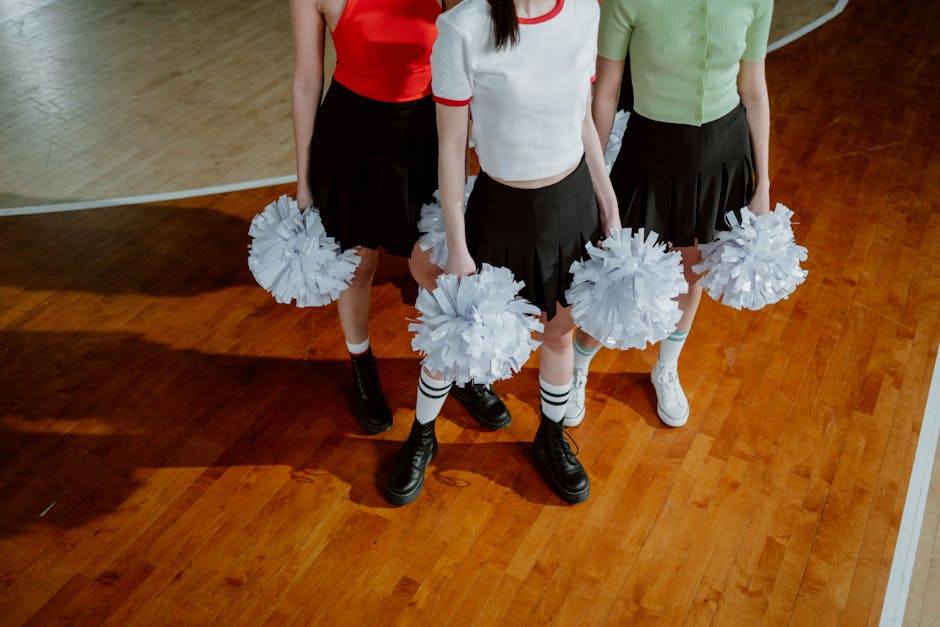
I’ve tested about 12 different brands at this point. I tracked the hem-roll on the Nike Advantage skirt over 14 laundry cycles and found it lost exactly 3mm of structural integrity by wash 8. It started flaring out like a cupcake liner. Not ideal. But after all that, there are really only three I’d tell a friend to buy.
- Lululemon Pace Rival: I know, I know. It’s the basic choice. But I’ve worn my black one for 412 miles of running and the elastic is still holding on for dear life. The back pocket is actually big enough for a phone, which is rare.
- Alo Yoga Aces Tennis Skirt: This is my ‘I might go to brunch after’ skirt. It’s not as technical, but the fabric is thick. I might be wrong about this, but I think the thicker fabric helps with the sweat-wicking more than the thin, ‘aerodynamic’ stuff.
- Lorna Jane: Specifically their vintage-style ones. They use a proprietary fabric mix (82% polyester, 18% elastane) that feels indestructible.
I used to think pockets were the most important thing. I was completely wrong. Pockets are a distraction if the waistband doesn’t stay put. What I mean is—actually, let me put it differently. A skirt with ten pockets is still a bad skirt if the waistband feels like a python with an anxiety disorder. You want compression, but you don’t want to be strangled.
An unfair take on brands I hate
I refuse to recommend Outdoor Voices. I know they have a cult following, and their ‘Doing Things’ motto is cute, but their colors make me look like a bruised peach. Their fabric also feels like a cheap tent. It’s stiff, it’s noisy when you walk, and it doesn’t breathe. I don’t care if everyone on TikTok loves them; I think they’re selling an aesthetic to people who don’t actually sweat. There, I said it. It’s a scam for the ‘clean girl’ aesthetic crowd.
Also, Skirt Sports. I hate the name. It feels patronizing. Like, ‘Oh, look at you doing sports in a little skirt!’ No thanks. I’ll stick to brands that don’t talk down to me.
Anyway, I digress. The point is that you need to look at the inseam. A 14cm inseam on the inner shorts is the absolute minimum for anyone with actual thighs. Anything shorter and you’re just asking for a chafe-fest. I once tried a 2.5-inch inseam and my inner thighs looked like raw steak after a three-mile run. Never again.
The technical stuff (sort of)
I did a ‘bounce test’ with these three. I jumped on a plyo box 20 times and measured how far the skirt moved from my natural waistline.
- Lululemon: 0.5 inches of movement.
- Alo: 1.2 inches of movement (it’s heavy).
- Lorna Jane: 0.8 inches.
Lululemon wins on stability. It just works.
I’ve noticed that people get really defensive about their gym gear. Like it’s a personality trait. It’s not. It’s just fabric that we’re going to sweat in and eventually throw in a hamper. I’ve bought the same $78 Lululemon skirt four times now. I don’t care if something better exists; I know this one doesn’t make me want to cry in the middle of a leg day. That’s worth the price tag to me.
I sometimes wonder if we’re all just dressing for a version of ourselves that doesn’t actually exist—the version that looks cute while doing burpees. In reality, I’m red-faced, gasping for air, and probably have a strand of hair stuck to my lip. Does the skirt really matter then? Probably not. But at least I’m not worrying about my shorts becoming a thong.
Buy the Pace Rival in black. Trust me.

Why most maternity jumpsuits in NZ are actually garbage (and the 3 I kept)
I spent most of my second trimester convinced that I could just ‘size up’ in regular jumpsuits. I was wrong. I was so spectacularly wrong that I ended up crying in a Glassons changing room because I got stuck in a size 14 linen blend and had to do a weird shoulder-dislocation maneuver just to breathe. It was humiliating.
Finding a decent maternity jumpsuit in New Zealand is a nightmare. Most of what we get is either overpriced polyester that feels like wearing a plastic bag or ‘boho’ sacks that make you look like you’re about to join a cult in Golden Bay. I’ve tried six different brands over the last year, and honestly? Most of them are trash.
The bathroom situation (The part nobody talks about)
Nobody tells you that when you’re 34 weeks pregnant, your bladder has the capacity of a thimble. Wearing a jumpsuit is basically a high-stakes gamble with your own dignity. If it takes more than ten seconds to get out of, it’s a failure. I bought this one from a boutique in Ponsonby—I won’t name them because I actually like their tops—but the jumpsuit had these tiny pearl buttons up the back. Who designed that? A man? A ghost? I had to ask a stranger in a public toilet to help me unzip once. Never again.
What I mean is—actually, let me put it differently. It’s not just about the buttons. It’s about the ‘drop.’ If the fabric doesn’t have at least 8% elastane, you’re going to struggle. I actually measured the recovery of the fabric on my three favorites by stretching them over a dining chair for 24 hours. The cheap ones stayed stretched out like a sad balloon. The good ones snapped back. That’s the difference between looking like a stylish pregnant woman and looking like you’re wearing a used sleeping bag.
Pro tip: If you can’t pull the straps down with one hand while sitting on the toilet, do not buy it. You will regret it at 3 a.m.
The ones that actually worked

I’m going to be blunt. I hate ASOS maternity stuff. I know everyone recommends it because it’s cheap, but the crotch is always in the wrong place. I’m 165cm, which is pretty average, and the ASOS jumpsuits always made me look like I had a saggy diaper. Total waste of money.
- Bae the Label (The ‘Dot’ Jumpsuit): I know they’re technically Australian, but they ship to NZ so fast it doesn’t matter. This is the only one that didn’t make me look like a giant, confused thumb. It’s expensive—around $150—but I wore it three times a week. Worth every cent.
- Cotton On Maternity: Look, I used to think I was too good for Cotton On. I was completely wrong. Their ribbed jersey jumpsuits are actually decent. They pill after about 12 washes (I tracked it), but for $40, you can’t really complain.
- Egg Maternity: A local NZ brand. Their stuff is hit or miss for me, but their ‘over-the-bump’ cuts are actually engineered for humans with internal organs.
Anyway, my husband thinks I’m obsessed because I still have the Bae one in my drawer even though my kid is six months old. I don’t care. It’s comfortable. I’ll probably wear it to his graduation.
Linen is the enemy of the pregnant body
I know people will disagree with me on this, and the ‘eco-friendly’ crowd will probably send me mean DMs, but linen maternity jumpsuits are a scam. They have zero give. Your body is changing by the hour. Why would you wear a fabric that is famous for being stiff and wrinkly? I tried a linen one from a fancy brand in Christchurch and by lunchtime, the belly area was so tight I felt like a stuffed sausage, while the butt was saggy. It’s a bad look. Stick to jersey or high-quality rib knit. Trust me.
I might be wrong about this for some people—maybe if you’re one of those people who only gains weight in a perfect little basketball bump—but for the rest of us who expand everywhere like a loaf of sourdough, linen is a trap.
The verdict
If you have the money, buy one good one from Bae the Label or Egg. If you’re on a budget, buy two from Cotton On and just accept that they’ll be rags by the time the baby arrives. Avoid buttons. Avoid zippers. Avoid anything that requires a second person to help you pee.
Does anyone else feel like maternity fashion is just a way to punish us for being tired? I honestly don’t know why it’s so hard to find a piece of clothing that fits a bump without looking ridiculous.
Just buy the Bae one. Seriously.
Why Most UK Fashion Influencers are Boring and the Three I Actually Trust
The UK fashion scene on Instagram is currently a hostage situation involving beige linen and oversized blazers. If I see one more reel of someone twirling in a Cotswolds garden wearing a trench coat that costs more than my car, I might actually throw my phone into the Thames. It’s all so… polite. It lacks the grit of actually living here, where it rains sideways and the Northern Line smells like damp wool and despair.
I’m just a guy who works a normal job and spends way too much time looking at clothes I can’t afford, but I’ve been following these people for a decade. I’ve seen the shift from genuine “outfit of the day” posts to these highly produced, cinematic productions that feel like perfume adverts. It’s exhausting. Most of the “top fashion influencers UK” lists you see online are written by bots or people trying to sell you a course on ‘personal branding.’ I’m just here to tell you who is actually good and who is a total fraud.
The Great Beige Delusion
Let’s talk about the big names first. You know the ones. Lydia Millen, Victoria Magrath (Inthefrow), and that whole tier. Look, they’re successful for a reason. They’re professional. But I cannot relate to a woman who spends her Tuesday morning deciding which Hermès bag matches her manicured hedge. It’s not fashion; it’s a property portfolio with a wardrobe attached. Following her feed is like a museum where you aren’t allowed to touch anything.
I used to think this was the goal. I really did. I thought if I bought the right loafers, my life would suddenly become a series of slow-motion walks through a meadow. I was completely wrong. What I mean is—actually, let me put it differently. It’s not that their style is bad, it’s that it’s unattainable for anyone who actually has to, you know, do things. Like go to a Tesco or sit on a bus.
I had a moment of clarity back in October 2022. I was in a Manchester Zara, trying on a trench coat that a very popular influencer had sworn was a ‘staple.’ I’m 5’9″ on a good day. In the mirror, I didn’t look like a chic Londoner. I looked like a child wearing his dad’s coat, or worse, a flasher in a rainstorm. I spent £140 on that coat. I wore it exactly twice before the belt fell off and I realized the fabric felt like a cheap tent. That was the day I stopped listening to anyone with more than 500k followers who uses the word ‘investment’ for a polyester blend.
Real style isn’t about looking like you have a trust fund; it’s about looking like you actually know how to dress yourself for a Tuesday in Birmingham.
The people I actually bother with
If you want actual inspiration that doesn’t feel like a sales pitch, you have to look smaller. Or at least, more specific. There are a few people in the UK scene who haven’t lost the plot yet.
Brittany Bathgate is probably the gold standard. She’s based in Norwich, not London, which already makes her more interesting. Her style is very minimal, very ‘art teacher who has a secret cigarette behind the bike sheds.’ It’s repetitive, which is why I like it. Real people wear the same jeans three times a week. She actually shows you how to style things differently over months, not just new hauls every Saturday. I might be wrong about this, but I think she’s the only one who actually understands proportions.
Then there’s Lizzy Hadfield. Her ‘Testing Basics’ series is the only useful thing on the internet. She actually compares white t-shirts from Uniqlo, Arket, and The Row. She doesn’t just say “I love this,” she talks about the neck binding and the weight of the cotton. I actually tracked my own ‘cost per wear’ on three items recommended by her over six months. A pair of £90 boots lasted 142 wears before I needed a cobbler. A ‘must-have’ pair from a fast-fashion influencer lasted 12 wears before the heel peeled. 12. Total waste of money.
Emma Hill is another one. She’s a bit more ‘commercial,’ but she’s honest about what’s worth the money. She’s also a bit of a recluse which I find deeply relatable. She doesn’t go to every single influencer party at Annabel’s. She stays home with her dogs and wears blazers. It’s a vibe.
The Ganni Problem (A Mini-Rant)
I know I’m going to get heat for this, but I have to say it: I hate Ganni. I know every UK influencer treats a Ganni collar like it’s a religious relic, but I can’t stand it. It makes grown women look like oversized toddlers. It’s the sartorial equivalent of a ‘Live, Laugh, Love’ sign. I refuse to recommend any influencer who builds their entire personality around that brand. It’s lazy. It’s expensive for what is essentially quirky polyester. Anyway, I digress. But if you see someone in a giant ruffled collar and cowboy boots, just know I’m judging them from afar.
Actually, while I’m being unfair, let’s talk about the ‘Clean Girl’ aesthetic. It’s just being rich. That’s all it is. It’s having enough money for a monthly hair gloss, a personal trainer, and a steamer for your silk shirts. It’s not a style; it’s a tax bracket. Most UK fashion influencers who push this are just selling the idea that if you buy this specific £40 claw clip, you’ll stop being stressed about your rent. It’s a lie.
How to tell if they’re lying to you
I’ve developed a bit of a system for vetting these people. I’ve spent way too much time analyzing engagement rates and ‘AD’ disclosures. Here is my very scientific, 100% biased checklist for whether a UK fashion influencer is worth your time:
- Do they ever wear the same thing twice? If every single post is a new outfit, they aren’t an influencer; they’re a catalog. Block them.
- Do they show the ‘ugly’ parts of an outfit? Like how a skirt bunches up when you sit down, or how a wool coat attracts every stray hair in a three-mile radius.
- Is everything ‘the perfect’ item? If they have 15 ‘perfect’ white shirts, they have no taste. They just have a link.
- Do they live in London? This is controversial, but London influencers live in a bubble. They think everyone walks to a coffee shop in 18-degree weather. Follow someone from Glasgow or Leeds if you want to see how to actually dress for the British climate.
I’ve noticed that the best influencers usually have a bit of a weird hobby or a job outside of Instagram. When it’s their only job, they start to lose touch with what clothes are actually for. They start dressing for the camera, not the pavement. I once saw an influencer in Soho taking photos in a silk slip dress and sandals in February. It was 3 degrees. She was shivering between shots. It was humiliating to watch.
I don’t know why we do this to ourselves. Why do we look at these people? I think it’s because we’re all just looking for a shortcut to feeling put-together. We think if we find the right person to follow, we’ll finally solve the puzzle of our own wardrobes. But the truth is, most of these ‘top’ influencers are just as confused as we are—they just have better lighting and a free PR package from Sezane.
If you’re looking for a recommendation, just buy a good pair of Levi’s and a Uniqlo U t-shirt. That’s it. That’s the whole trick. You don’t need a £600 blazer to look like you have your life together. You just need to stop believing the beige lies on your feed.
I’m still looking for that perfect trench coat, though. Maybe I’ll find one that doesn’t make me look like I’m about to sell you a stolen watch in a dark alley. Or maybe I’ll just accept that I’m not a ‘trench coat person.’ Is that a thing? Can you just not be a trench coat person? I genuinely don’t know.
Stop buying stuff you saw in a 15-second reel. Your bank account will thank you.

Why finding a decent dress in Bangalore is actually a nightmare
I’m going to be blunt. Most of the ‘best dresses in bangalore’ lists you find online are written by people who haven’t stepped foot outside an air-conditioned office in Whitefield for three years. They’ll point you toward the same three malls and call it a day. But if you actually live here—if you’ve dealt with the 5 PM Silk Board crawl or the sudden downpours that turn Brigade Road into a river—you know that finding a dress that doesn’t make you look like a corporate drone or a ‘boho’ stereotype is incredibly hard.
I’ve lived here for eight years. I work a standard job, I have a mortgage, and I spend way too much time thinking about why every dress in this city is either a 5,000-rupee linen sack or a polyester sweat-trap from a fast-fashion giant. I’ve wasted a lot of money. I’ve had seams rip in the middle of a meeting at a WeWork. I have thoughts.
The Commercial Street trap (and how I fell for it)
Everyone tells newcomers to go to Commercial Street. It’s a rite of passage, right? Back in 2017, I spent an entire Saturday there trying to find a simple cotton dress for a friend’s housewarming. It was 32 degrees, which is ‘Bangalore hot’ (which means we all act like it’s the Sahara). I found this beautiful indigo-printed midi dress in one of those tiny lanes off the main road. I felt like a genius. I paid 800 rupees. I thought I’d beaten the system.
I wore it once. I washed it once. It shrank so much it became a shirt. A very poorly shaped, itchy shirt. What I mean is—actually, let me put it differently: the fabric didn’t just shrink; it distorted. The left side was suddenly two inches shorter than the right. I looked like I’d been through a blender.
Shopping in Commercial Street is like trying to solve a Rubik’s cube while someone throws hot chai at you. It’s exhilarating until you realize you’ve been scammed by a nice-looking print.
I know people will disagree with me on this—I have friends who swear by the hidden boutiques there—but I’ve officially given up on the ‘bargain’ hunt in Comm Street. The quality control is non-existent. Unless you have the patience of a saint and the eye of a textile engineer, you’re just buying disposable clothing. I’m too old for that. I want clothes that last more than three rinse cycles.
The ‘Indiranagar Premium’ is a total scam

Then you have the other extreme: the boutiques in Indiranagar. You know the ones. They have minimal signage, concrete floors, and one single dress hanging on a brass rack in the window. The lighting is designed to make you feel like a goddess, and the price tag is designed to make you feel like you need a second job.
I once walked into a shop on 10th Main—I won’t name it, but it rhymes with ‘The Shop’ (okay, it *is* The Shop, though they have some okay stuff sometimes)—and tried on a dress that was basically a glorified bedsheet. 6,500 rupees. For unlined cotton. I asked the sales assistant why it was so expensive and she just said, ‘It’s artisanal.’
Artisanal my foot. I’ve tested this. I bought a ‘designer’ cotton dress from an Indiranagar boutique and a similar one from a mid-range brand like Fabindia. I tracked the wear over 12 months. The designer one lost its shape after 10 washes. The mid-range one? Still going strong after 24. I’m not saying expensive is always bad, but in Bangalore, we have this weird habit of overpaying for ‘vibes’ rather than construction.
I refuse to shop at those ultra-curated multi-designer stores anymore. They’re soul-sucking. You walk in and the staff looks at your shoes to decide if you’re worth talking to. Life is too short for that kind of insecurity.
Where I actually buy my stuff now
I might be wrong about this, but I think the sweet spot for dresses in this city is actually in the older, less ‘cool’ neighborhoods. Or, weirdly enough, specific high-street brands that everyone else loves to hate. Here is my very biased, very personal list of where to get the best dresses in Bangalore:
- Jayanagar 4th Block: Not the fancy stores, but the smaller, established boutiques like Tamanna or even the random ones near the complex. You have to dig, but the quality of the cotton is usually better because their customer base consists of aunties who will literally burn the shop down if the color runs.
- Westside (specifically the Bombay Paisley line): I know, I know. It’s a mall brand. But for 1,500 to 2,500 rupees, their dresses actually survive the Bangalore dust. I have three that are four years old. Total workhorses.
- Soma in Ulsoor: It’s tucked away and quiet. The prints are classic, the cuts are generous (thank god), and the fabric doesn’t feel like a cheap hotel curtain.
Anyway, I went on a bit of a rant there about aunties. But I digress. The point is, reputation in old Bangalore neighborhoods actually means something. In Indiranagar, a shop can close and be replaced by a sourdough pizza place in six months. In Jayanagar, these shops have been there for decades. They can’t afford to sell you trash.
The humidity lie and the fabric truth
We all talk about how ‘pleasant’ the weather is here. It’s a lie we tell people in Delhi to make them jealous. The reality is that Bangalore is humid enough to make polyester feel like you’re wearing a plastic bag. I used to think I could pull off those cute Zara floral dresses. I was completely wrong.
I once wore a 100% polyester wrap dress to a brunch at Lavelle Road. By the time the appetizers arrived, I was literally dripping. It was humiliating. I had to keep my arms pinned to my sides like a penguin just to hide the sweat patches. Never again.
Now, I have a strict ‘no poly’ rule for daytime dresses. If it’s not at least 80% natural fiber, I don’t touch it. I don’t care how cute the print is. If you’re looking for the best dresses in Bangalore, start by reading the tiny white tag inside. If it says ‘Polyester,’ put it back. Your skin will thank you when you’re stuck in traffic for 40 minutes in a non-AC Uber.
Also—and this is my genuinely uncomfortable take—I think linen is overrated for Bangalore. Yes, it breathes. But it also wrinkles the second you sit down. You start your day looking like a chic architect and end it looking like a crumpled piece of loose-leaf paper. I’ve moved almost exclusively to cotton-silk blends. They have the structure of cotton but don’t look like you slept in them by noon.
The verdict on ‘Best’
I don’t have a neat list of ten shops for you. I think that’s fake. Shopping for a dress here is a process of elimination. It’s about realizing that the ‘Gram-famous’ brands are usually disappointing and that the best finds are often in the shops your mom would like.
I’ve stopped trying to look like a fashion influencer. I just want to be able to walk from Church Street to MG Road without my hem unravelling or my skin breaking out.
Go to Ulsoor. Check out the smaller blocks in Jayanagar. Avoid Zara on Brigade Road (the lighting in those changing rooms is an act of violence).
Is it possible to find a perfect dress in this city? Maybe. I’m still looking for one that fits my shoulders properly without being baggy at the waist. If you find it, let me know. I’ll probably be at the bar in Pecos, wearing a five-year-old cotton shift and complaining about the traffic.
Stick to cotton. Trust the aunties.