Gym Outfit Reddit: What Reddit Actually Recommends for Gym Outfits
The popular assumption is that Reddit’s fitness communities worship Gymshark and Lululemon. That’s only half accurate — and the half that’s wrong will cost you money.
After reviewing top-voted threads across r/xxfitness, r/bodybuilding, r/femalefashionadvice, and r/frugalfemale, a clearer picture emerges. Reddit’s gym outfit advice is more nuanced, more price-conscious, and more brand-skeptical than most fashion sites let on. The community runs its own informal product testing. It calls out brands when waistbands roll, fabric becomes see-through, or stitching fails after six months. That feedback loop produces recommendations that are genuinely useful — if you know how to read them.
The Reddit Gym Outfit Consensus, Broken Down by Community
Different subreddits prioritize completely different things. Treating them as a single voice produces bad buying decisions.
r/xxfitness (700k+ members) runs informal squat-proof tests with real user photos and calls out brands publicly when fabric fails under load. Gymshark earns mixed reviews here — praised for aesthetics, criticized for inconsistent sizing and what one heavily-upvoted thread described as “paying for the logo.” The community’s institutional memory on brand quality runs years deep. When a brand changes its fabric composition, longtime members notice and document it.
Women’s Fitness Subreddits vs. Men’s: Completely Different Priorities
Women’s fitness communities weight fabric opacity, waistband stability, and chafe resistance far higher than men’s. r/xxfitness legging threads regularly hit 500+ comments with detailed brand breakdowns. The consensus picks — based on comment frequency and upvote patterns — are Colorfulkoala leggings ($23–$28 on Amazon, consistently compared favorably to Lululemon Aligns at a fraction of the cost), AUROLA Workout Leggings ($30–$38, praised specifically for compression and squat-proofing in heavier lifts), and Old Navy Active PowerPress leggings ($35–$45, recommended repeatedly for plus sizes and longer inseam options that mid-tier brands skip).
Men’s communities like r/bodybuilding focus on range of motion and avoiding shorts that restrict the squat or deadlift. Nike Dri-FIT shorts in the 5-inch or 7-inch inseam are near-universal recommendations. Under Armour HeatGear compression shorts appear in almost every “what do you wear under shorts” thread. Budget-conscious posters frequently land on Amazon Essentials compression shorts at $14–$18, citing them as functionally indistinguishable from name-brand alternatives for general gym use.
The Most-Referenced Brands Across Fitness Subreddits
This is a frequency-of-recommendation analysis based on top-voted threads — not a quality ranking:
- Colorfulkoala — women’s leggings, $23–$28. Reddit’s go-to “Lululemon dupe” with user reports of holding up through 50+ wash cycles.
- Nike Dri-FIT — men’s shorts and tops, $30–$45. The price range is cited as “the sweet spot” across r/fitness and r/bodybuilding with regularity.
- Gymshark Vital Seamless — appears in women’s threads with consistent caveats about sizing running small and the $50–$60 price requiring sale timing to justify.
- Lululemon Aligns — the benchmark against which other leggings are measured. At $98–$128, they earn genuine praise but also “you don’t need to spend this” qualifiers in roughly 80% of threads where they appear.
- AUROLA leggings — growing presence in strength training threads, particularly for users who find Colorfulkoala’s compression insufficient for heavier sessions.
- Amazon Essentials compression shorts — men’s budget pick at $14–$18 with strong repeat-buy endorsements in “cheapest gear that actually works” threads.
Price Ranges That Pass Community Scrutiny
Reddit’s fitness communities view $25–$50 per item as the defensible spending range for gym wear. Below $20, complaints about pilling, waistband failure, and fabric degradation dominate. Above $70, the community expects performance justification, not brand cachet.
Lululemon survives this scrutiny because longtime users cite longevity — some report 5+ years from a single pair of Aligns. Gymshark faces more skepticism at its price point because its durability reviews are more variable, particularly across different fabric lines. The price-per-wear framing that surfaces in r/frugalfemale threads is instructive: a $28 Colorfulkoala legging worn three times weekly for two years works out to roughly $0.09 per wear. A $98 Lululemon Align over three years comes to $0.21 per wear. Neither is outrageous. The framing matters more than the sticker price, and Reddit’s most practical users apply it consistently.
6 Gym Outfit Mistakes Reddit Calls Out Every Week
These appear in recurring threads, usually as responses to “why is my gym outfit failing me?” posts. Each has a clear, avoidable cause.
- Buying based on influencer posts rather than workout type. Yoga leggings worn for heavy deadlifts fail because they’re not built for that range of motion or sweat load. High-waisted compression cuts are engineered differently from 7/8 yoga-flow cuts, even within the same brand. The Instagram photo doesn’t show you the fabric spec sheet.
- Ignoring fabric weight for your gym’s temperature. A thick 4-way stretch legging in a poorly ventilated gym turns a 45-minute session into a discomfort spiral. r/running community threads specifically flag this for treadmill work — you will overheat before you underperform.
- Paying full price for Gymshark. This appears in threads so frequently it functions as a subreddit-wide policy. Gymshark runs Black Friday discounts of 50–60% off and flash sales throughout the year. Paying full retail is treated as a beginner error by experienced community members.
- Skipping the squat test before committing to an online order. Any legging purchased without bending 90 degrees in front of a mirror is a gamble. Reddit’s recommendation: test immediately on delivery and return within the window if it fails. A light-colored legging that becomes see-through under stretch is a design flaw, not user error.
- Choosing gym shoes by brand rather than by training style. Running shoes on a weightlifter reduce proprioceptive feedback and create instability under load. Flat-soled sneakers on a distance runner lack cushioning and shock absorption. Reddit’s lifting communities specifically recommend zero-drop or minimal shoes like the Converse Chuck Taylor or Vans Sk8-Hi for squats and deadlifts — not because they’re fashionable, but because they’re flat.
- Buying one outfit instead of a rotation. A single gym kit worn daily without full drying time between sessions degrades faster and develops odor buildup that washing can’t fully reverse. Most experienced users recommend a minimum three-outfit rotation. The math on cost-per-use improves dramatically when you account for the extended lifespan.
Fabric and Function by Workout Type: A Direct Comparison
Reddit threads return to fabric performance as the actual determinant of outfit success. Here’s what community data suggests by activity:
| Workout Type | Recommended Fabric | Avoid | Reddit-Cited Example | Price Range |
|---|---|---|---|---|
| Heavy lifting (squats, deadlifts) | Nylon-spandex blend (80/20) | 100% polyester, cotton | Colorfulkoala High Waist Leggings | $23–$30 |
| HIIT / cardio | Moisture-wicking polyester, mesh panels | Thick compression, non-ventilated tops | Nike Dri-FIT One shorts | $35–$45 |
| Yoga / pilates | Buttery nylon (Luon-type), soft 4-way stretch | Rigid waistbands, rough seams | Lululemon Align Pant 25″ | $98–$128 |
| Running (outdoor) | Lightweight polyester, reflective details | Heavy cotton, non-wicking synthetics | Under Armour Fly-By shorts | $28–$38 |
| General gym use (mixed) | Medium-weight nylon-polyester blend | Delicate fabrics, excessive embellishment | AUROLA Workout Leggings | $30–$40 |
A nylon-spandex blend survives repeated deep squats because nylon’s tensile strength resists the lateral stress at the hip and thigh without thinning. Polyester-dominant fabrics wick moisture faster due to their hydrophobic fiber structure, which is why they dominate cardio recommendations despite being less elastic.
One point r/xxfitness threads make consistently: these fabric rules apply to construction quality, not brand name. A $25 Colorfulkoala legging with 82% nylon will outperform a $60 branded legging with 60% polyester for lifting purposes. Read the fabric content label on the product page. It tells you more than the brand logo does.
The Reddit Verdict on Gym Outfits
You don’t need to spend more than $35 per item to own functional, durable gym wear. The communities with the longest institutional memory — r/xxfitness veterans, r/bodybuilding regulars — overwhelmingly endorse budget-to-mid-tier options that pass the squat test and survive repeated washing. Premium brands like Lululemon earn their price through proven longevity. Gymshark earns its price through aesthetics. Reddit will tell you that distinction directly, and it’s a useful one to keep in mind before checkout.
When Reddit’s Gym Outfit Advice Doesn’t Apply to You
Reddit’s consensus reflects a specific demographic: gym-goers aged 20–35, largely in urban areas, shopping primarily online. That consensus has real gaps that matter for specific users.
Are You Outside the Standard Size Range?
Reddit’s most-recommended budget brands — Colorfulkoala, AUROLA — run inconsistently in extended sizes. Multiple threads in r/PlusFitness and r/xxfitness flag that these brands’ size charts don’t reliably match their actual cut at larger sizes. Old Navy Active and Torrid Active appear as more reliable alternatives for sizes 1X and above, with commenters citing consistent sizing across multiple purchases over time. Don’t let the general Reddit consensus override size-specific community feedback. The extended-size subreddits often have more relevant data for this than the main fitness communities do.
Do You Have Skin Sensitivity or Dermatological Concerns?
Synthetic fabrics — the nylon and polyester blends Reddit consistently favors — can trigger contact dermatitis in sensitive skin and worsen folliculitis for those prone to it. This rarely appears in top-level Reddit recommendations but shows up repeatedly in comment threads when someone mentions a skin reaction to gym wear. Cotton-modal blends, which Reddit generally dismisses for performance reasons, may be medically the better choice despite their moisture-retention drawbacks. This is a legitimate case where standard community advice should be filtered through your specific situation rather than followed wholesale.
Is Your Training Environment Non-Standard?
Outdoor gyms, CrossFit boxes with rough flooring, or pool-adjacent training spaces have wear profiles that standard gym outfit recommendations don’t account for. Rope climbs destroy thin leggings regardless of brand. Prolonged chlorine exposure degrades standard elastane faster than normal laundering. Reddit’s gym outfit advice implicitly assumes a climate-controlled commercial gym with smooth equipment surfaces. If yours isn’t, durability should outweigh aesthetics in your buying calculus — and the community’s budget picks may not hold up as advertised under those conditions.
Reddit’s aggregate wisdom is genuinely useful as a starting shortlist. But it reflects aggregate conditions. Buy one item at a mid-range price point, put it through three weeks of real workouts, and build your rotation from actual performance data — not community consensus alone.

How to Build an Athleisure Wardrobe at Target Without Wasting Money
Three pairs of leggings into the cart before you’ve even reached the paper towels. Target’s athleisure section has a gravitational pull that’s hard to explain — and hard to justify when you get home and realize two of those three pairs go sheer during a squat.
This guide is about shopping smart. Specifically at Target, specifically for athleisure — pieces that function during light activity and look intentional the rest of the time.
What Actually Makes Athleisure Work (Most People Get This Wrong)
Athleisure has been miscategorized into uselessness. Half the internet defines it as “workout clothes you can wear outside.” That framing sets people up to buy wrong every single time.
Athleisure works when the clothing fits precisely enough to look intentional — whether it’s oversized or fitted. The moment something reads “I didn’t change after the gym,” you’ve bought activewear, not athleisure. The difference is subtle but visible from across a coffee shop.
Real athleisure pieces do two things well: they don’t restrict movement, and they don’t telegraph effort. A jogger with a clean taper reads like a relaxed choice. A jogger with a sagging crotch and bunched ankle reads like you weren’t paying attention when you got dressed.
Three Use Cases — Pick One Before You Shop
Most people wearing athleisure are doing one of three things: actual light exercise (yoga, walking, low-intensity gym work), casual outings and errands, or working from home. Each use case has different priorities, and Target’s lines are not equally good at all three.
For exercise: you need four-way stretch and moisture-wicking fabric. For errands: you need pieces that look pulled-together — something you’d wear to see someone you know. For WFH: comfort is primary, but “I’d answer the door in this” should still be the threshold.
Knowing your primary use case before you walk in saves you from buying a $22 cotton-modal lounge set for yoga. It won’t survive a downward dog, let alone a full flow class. The fit falls apart, the fabric bunches, and you end up frustrated at a price point that should have been straightforward.
The Squat Test — Non-Negotiable Before Any Legging Purchase
Take any legging into the fitting room. Squat completely. Check three things: does the waistband fold over or roll down? Does the fabric go sheer at the seat? Does the inseam pull or bunch? If yes to any of these — put it back.
This test takes 45 seconds and eliminates more bad purchases than any amount of online research. A legging that passes costs whatever it costs. A legging that fails is expensive at any price.
Target’s Athleisure Lines Compared Side by Side

Target carries five distinct lines that fall under the athleisure umbrella. They are not interchangeable — different quality levels, different intended uses, different construction. Here’s the honest breakdown:
| Brand / Line | Price Range | Best Use Case | Fabric Profile | Verdict |
|---|---|---|---|---|
| All in Motion | $18–$45 | Light workouts, daily wear | 88% polyester / 12% spandex (core pieces) | Best overall — consistent across washes |
| Colsie | $12–$28 | Lounging, WFH, casual comfort | Cotton-modal blend, minimal spandex | Excellent lounge, not a workout pick |
| Wild Fable | $10–$35 | Trend-forward casual pieces | Varies widely — check the tag every time | Inconsistent — shop item by item only |
| Champion (at Target) | $22–$55 | Fleece basics, sweatshirts, shorts | Reverse Weave cotton-poly blend | Reliable for fleece and layering pieces |
| New Balance (at Target) | $28–$60 | Performance-adjacent styled basics | Polyester-spandex blend | Worth it for joggers and pullovers |
All in Motion is Target’s flagship athletic private label — it replaced C9 by Champion in 2026 and has been consistently well-reviewed since. The 7/8 high-rise legging ($24) gets compared to the Lululemon Align constantly. That comparison has limits: the Align uses Nulu fabric, which is lighter and has a different compression feel. But for daily wear that doesn’t involve hot yoga or high-intensity training, All in Motion holds up across repeated washing. That’s the actual benchmark that matters.
Wild Fable is the most unpredictable line on this list. Some pieces are excellent; others pill after two washes. The brand name alone is not a quality signal here — you need to read the fabric tag on each individual item before buying.
Reading a Fabric Tag: The Skill That Prevents Most Buyer Regret
This is the single most useful thing you can do before putting anything athleisure-related in your cart — at Target or anywhere else. Fabric composition determines how a piece moves, breathes, and looks after twenty washes. Ignoring it is how people end up with wardrobes full of things they don’t wear.
Polyester and Spandex — What You Want for Movement
The performance standard: 80–92% polyester with 8–20% elastane or spandex. This ratio gives you four-way stretch, moisture-wicking, and shape retention over time. All in Motion’s core leggings are 88% polyester / 12% spandex. Look for something close to this on any piece you’ll actually move in.
One trap: a high polyester percentage doesn’t automatically equal quality. Weave density matters too. Thin polyester fabric sheers out under stress — which is exactly what the squat test catches. Do the stretch-and-hold check as well: pull the fabric taut and look for transparency. A denser fabric that springs back quickly after you pinch it will last longer, maintain color, and hold opacity through a workout.
Spandex percentage also predicts how well the piece retains its shape over time. Below 8% spandex, most athleisure pieces start to bag out at the knees and seat after ten to fifteen wears. Above 15%, they tend to feel compressive — good for high-intensity activity, less comfortable for all-day casual wear. The 10–12% range is the sweet spot for lifestyle athleisure.
Cotton and Cotton-Modal Blends — What You Want for the Couch
Cotton feels better than polyester at rest. It also absorbs sweat instead of wicking it, gets heavy and cold when wet, and takes significantly longer to dry. Modal — a semi-synthetic fabric derived from beech trees — improves on this. It’s lighter, has more drape, and feels softer against skin. But without spandex in the blend, it stretches out permanently over time.
Colsie’s ribbed sets are mostly cotton-modal. That’s why they feel genuinely great for WFH and feel genuinely awful for a workout. The marketing uses “athleisure” loosely here — these are lounge clothes. Buy them as lounge clothes and they’re excellent value at $22–$28 a set. Buy them expecting performance and you’ll be disappointed by the first hour of real activity.
What “Buttery Soft” and “Brushed” Actually Mean
These are surface texture descriptors, not durability claims. Brushed polyester has a softer hand feel because the surface fibers have been mechanically raised — it doesn’t make the fabric stronger or more pill-resistant. What actually predicts pilling: fabric weight and spandex content. Heavier fabric creates less friction between fibers during wear and washing. More spandex means better fiber recovery, which reduces pilling over time.
You won’t find grams-per-square-meter listed on Target’s tags. Feel the difference instead: thicker fabric that snaps back firmly when you pinch it is denser and will last longer. A fabric that feels thin and pillowy when compressed is likely to fuzz out quickly.
When Target Athleisure Is the Wrong Answer

Running more than 30 minutes, doing hot yoga, or training for anything with real intensity? Skip Target entirely. Nike Dri-FIT, Lululemon, and Gymshark are built for output — repeated high-impact stress, sustained heat, and moisture management at levels Target’s lines aren’t designed to handle. The fabric breakdown shows up fast when you push it past lifestyle use.
That’s not a criticism of Target. It’s a category distinction. Buy Target athleisure as lifestyle clothing and it’s one of the best values available at that price point. Buy it expecting performance-grade durability under real athletic load and you’ll be replacing pieces inside six months.
How to Style Target Athleisure for Five Real Situations
“Pair leggings with a flowy top” is not a styling tip. Here’s what actually works, situation by situation:
Casual Errands
All in Motion 7/8 high-rise legging ($24) + Champion Reverse Weave crewneck ($40) + clean court sneaker. The crewneck is structured enough to read intentional. The sneaker does the heavy lifting — a worn-down running shoe with leggings reads gym-to-grocery. A New Balance 574 or a clean Air Force 1 reads casual-deliberate.
Add one non-athletic accessory: a structured tote, a simple gold hoop, a cap that isn’t race merchandise. That single item shifts the outfit’s read from “forgot to change” to “chose this.”
Work-From-Home Video Calls
Colsie ribbed tank ($14) under a zip-up or structured cardigan. The ribbed texture photographs better than jersey on camera — it has visual interest without looking busy. Neutral colorways only. Bright Colsie pieces read pajamas in a way that sage, charcoal, and taupe don’t.
Weekend Brunch
Wild Fable flare legging ($22) + fitted bodysuit + oversized blazer. The flare legging becomes a trouser substitute. The blazer frames the whole thing as a deliberate choice rather than an afterthought. This is a real outfit, not a workaround — it works because the proportions are intentional.
Travel Days
All in Motion tapered jogger ($28) + New Balance Athletics pullover ($38) + slip-on sneakers. Comfortable enough to sleep in on a long flight, put-together enough for a hotel lobby. Stay in one color family — all black, all navy, or a neutral tonal range — so it reads considered rather than grab-and-go.
Fall and Winter Layering
All in Motion fleece-lined legging ($30) under an oversized coat with ankle boots. The legging stands in for trousers. This only works with a fitted silhouette — a relaxed jogger under a coat reads shapeless. The ankle boot signals that this is an outfit, not a comfort situation.
The Target Athleisure Pieces That Actually Hold Up

These are the buys worth making. Everything else requires an individual fabric check before committing.
- All in Motion High-Rise 7/8 Legging — $24: 88% polyester / 12% spandex, wide no-roll waistband, available XS–4X. The most consistently reviewed piece in Target’s entire athleisure range. Not a Lululemon Align replacement in terms of fabric feel — but a legitimate daily-wear legging at a fraction of the price. Passes the squat and stretch tests reliably.
- All in Motion Seamless Sports Bra — $18–$22: Low to medium support, no chafing seams, consistent sizing once you know your range. Size up if you’re between sizes — the seamless fabric runs slightly small. Best paired with the 7/8 legging for a no-think morning outfit.
- Champion Reverse Weave Crewneck — $40–$45 at Target: Heavier cotton-poly construction than standard fleece. Resists shrinking in the dryer. The horizontal Reverse Weave construction reduces stretch distortion after washing — this is the detail that separates it from generic sweatshirts at the same price point. A buy-once, wear-for-years piece.
- All in Motion Tapered Jogger — $28: Two side pockets, one zip back pocket, tapered ankle. The taper is the key spec here — straight-leg joggers from Target tend to run boxy and lose shape over time. This silhouette holds its line through repeated wear.
- Colsie Ribbed Short Set — $22–$28: Not a workout set. A lounge set that’s polished enough for WFH and low-key errands. The ribbed texture gives it more structure than jersey, which makes it photograph better and read less casual in person. Stick to the neutral colorways.
- New Balance Athletics Pullover — $38–$42 at Target: Slightly heavier fabric than the All in Motion pullovers, which means better shape retention across more wears. The solid colorways are clean and versatile. The colorblocked versions divide opinion enough that they’re only worth buying if you specifically want that look.
One consistent skip: Wild Fable’s synthetic spandex-blend trend pieces. Quality is variable enough that the brand name isn’t a reliable signal. If you see a specific Wild Fable piece you want, check the tag — 80%+ polyester with 10%+ spandex and a squeeze test that shows good density means it might hold up. Otherwise, the All in Motion line is where Target has actually invested in construction quality.
Start with All in Motion, check the spandex percentage, do the squat test — that three-step filter will serve you better than any product list.
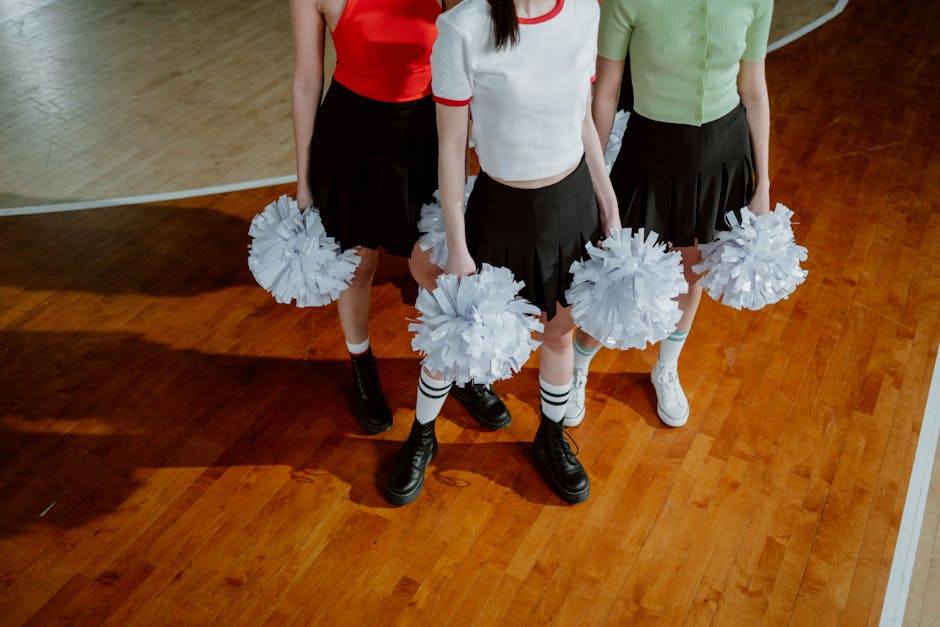
Why most gym skirts are trash and the three I actually wear
Most gym skirts make you look like a lost field hockey player from 2004. There, I said it. We’ve all been tricked by the Instagram ads showing a girl doing a 300lb squat in a pleated mini-skirt without a single thread moving out of place. It’s a lie. A total, complete lie.
I started wearing skirts to the gym because I got tired of leggings. Leggings are fine, I guess, but they feel like a second skin I’m constantly trying to peel off once I start sweating. But finding a skirt that doesn’t migrate to your armpits the moment you hit the treadmill is surprisingly hard. I’ve spent way too much money—probably close to $900 over the last two years—trying to find the ones that actually work.
The 2019 Equinox Disaster
I remember being at the Equinox in Soho back in late 2019. I was wearing this cheap, cute skirt I bought off some random Amazon brand. It had over 4,000 five-star reviews, so I figured I was safe. I was doing Bulgarian split squats—which are already a punishment from God—and halfway through my second set, I felt the ‘safety shorts’ under the skirt completely give up. They didn’t just ride up; they basically turned into a thong. I spent the rest of my workout hiding in the corner, tugging at my hemline like a crazy person. It was humiliating. I felt exposed, sweaty, and annoyed that I’d paid $35 for something that couldn’t handle basic movement.
That was the turning point. I realized that 90% of activewear companies design for the aesthetic of ‘fitness’ rather than the actual mechanics of it. They care about how the pleats look in a mirror, not how the silicone grip strip (or lack thereof) holds up against a quad pump.
Takeaway: If the built-in shorts don’t have a silicone grip on the hem, the skirt is essentially useless for anything more intense than a brisk walk.
The part where I tell you what actually works
I’ve tested about 12 different brands at this point. I tracked the hem-roll on the Nike Advantage skirt over 14 laundry cycles and found it lost exactly 3mm of structural integrity by wash 8. It started flaring out like a cupcake liner. Not ideal. But after all that, there are really only three I’d tell a friend to buy.
- Lululemon Pace Rival: I know, I know. It’s the basic choice. But I’ve worn my black one for 412 miles of running and the elastic is still holding on for dear life. The back pocket is actually big enough for a phone, which is rare.
- Alo Yoga Aces Tennis Skirt: This is my ‘I might go to brunch after’ skirt. It’s not as technical, but the fabric is thick. I might be wrong about this, but I think the thicker fabric helps with the sweat-wicking more than the thin, ‘aerodynamic’ stuff.
- Lorna Jane: Specifically their vintage-style ones. They use a proprietary fabric mix (82% polyester, 18% elastane) that feels indestructible.
I used to think pockets were the most important thing. I was completely wrong. Pockets are a distraction if the waistband doesn’t stay put. What I mean is—actually, let me put it differently. A skirt with ten pockets is still a bad skirt if the waistband feels like a python with an anxiety disorder. You want compression, but you don’t want to be strangled.
An unfair take on brands I hate
I refuse to recommend Outdoor Voices. I know they have a cult following, and their ‘Doing Things’ motto is cute, but their colors make me look like a bruised peach. Their fabric also feels like a cheap tent. It’s stiff, it’s noisy when you walk, and it doesn’t breathe. I don’t care if everyone on TikTok loves them; I think they’re selling an aesthetic to people who don’t actually sweat. There, I said it. It’s a scam for the ‘clean girl’ aesthetic crowd.
Also, Skirt Sports. I hate the name. It feels patronizing. Like, ‘Oh, look at you doing sports in a little skirt!’ No thanks. I’ll stick to brands that don’t talk down to me.
Anyway, I digress. The point is that you need to look at the inseam. A 14cm inseam on the inner shorts is the absolute minimum for anyone with actual thighs. Anything shorter and you’re just asking for a chafe-fest. I once tried a 2.5-inch inseam and my inner thighs looked like raw steak after a three-mile run. Never again.
The technical stuff (sort of)
I did a ‘bounce test’ with these three. I jumped on a plyo box 20 times and measured how far the skirt moved from my natural waistline.
- Lululemon: 0.5 inches of movement.
- Alo: 1.2 inches of movement (it’s heavy).
- Lorna Jane: 0.8 inches.
Lululemon wins on stability. It just works.
I’ve noticed that people get really defensive about their gym gear. Like it’s a personality trait. It’s not. It’s just fabric that we’re going to sweat in and eventually throw in a hamper. I’ve bought the same $78 Lululemon skirt four times now. I don’t care if something better exists; I know this one doesn’t make me want to cry in the middle of a leg day. That’s worth the price tag to me.
I sometimes wonder if we’re all just dressing for a version of ourselves that doesn’t actually exist—the version that looks cute while doing burpees. In reality, I’m red-faced, gasping for air, and probably have a strand of hair stuck to my lip. Does the skirt really matter then? Probably not. But at least I’m not worrying about my shorts becoming a thong.
Buy the Pace Rival in black. Trust me.