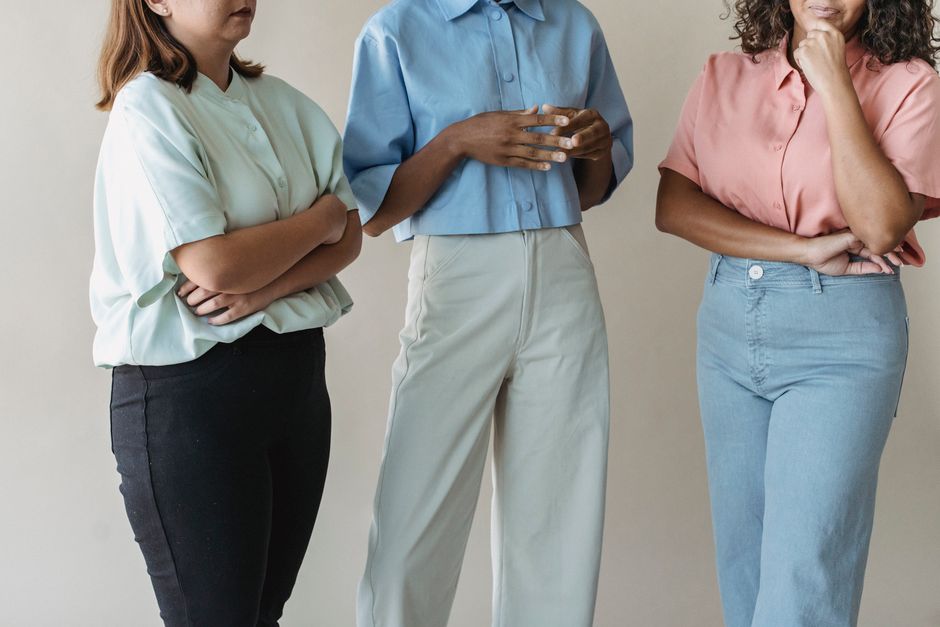
You leave the office at 5:30, change nothing, and still need to look right at dinner, the grocery store, or a Saturday morning coffee run. That is the real test of a capsule wardrobe. It should not create separate work clothes and weekend clothes. It should make the same small group of pieces work harder.
The best capsule wardrobe pieces have clean lines, comfortable fabrics, and enough structure for a professional setting. They also survive casual shoes, denim, and a less polished schedule. Here is the short answer: build around one sharp trouser, one straight-leg jean, two useful tops, one light layer, and shoes that do not look trapped in one dress code.
The five-piece core that handles both settings
Start with five pieces that cover the largest number of outfits. Do not begin with statement items, delicate fabrics, or clothes that only work with one shoe. The core should handle a meeting, a commute, lunch outside, and a relaxed weekend without looking like a costume.
| Piece | Work use | Weekend use | Useful specification |
|---|---|---|---|
| Uniqlo Smart Ankle Pants | Clean trouser shape | Easy travel and errands | Two-way stretch and ankle-length cut |
| COS Merino Wool Crew-Neck Sweater | Polished layer over a shirt | Warm, light casual knit | Merino wool regulates temperature and resists odor |
| Levi’s 501 Original Jeans | Casual-office option where denim works | Reliable everyday jean | Button fly and straight leg; rigid versions use cotton denim |
| Blundstone 500 boots | Structured alternative to sneakers | Weather-ready walking shoe | Leather upper, elastic sides, and oil-resistant outsole |
| adidas Samba OG | Low-profile casual shoe | Works with denim, trousers, and skirts | Leather upper and gum rubber outsole |
The office anchor
Pick the trouser first. The Uniqlo Smart Ankle Pants are a strong practical choice because the stretch and cropped length keep them comfortable during long workdays without looking like gym clothing. Choose black, navy, or charcoal. Those colors work with every top in this list.
The weekend anchor
The Levi’s 501 Original gives the capsule a firm casual base. The straight leg balances a fitted knit and a relaxed jacket. For the most flexible wardrobe, choose medium or dark blue denim and avoid heavy distressing. The five-piece core wins because every item can connect to at least three others.
Build around three outfit formulas, not random basics

A small wardrobe fails when every piece looks good alone but creates awkward combinations. The fix is to choose three repeatable formulas before buying anything else: tailored bottom plus soft top plus simple shoe for work, straight denim plus knit plus structured layer for a casual office, and relaxed bottom plus fitted top plus practical shoe for the weekend. These formulas work because they balance shape; one piece gives structure, one gives comfort, and one keeps the outfit visually simple. Keep the color plan just as strict: choose two dark neutrals, one light neutral, and one accent color, then repeat those tones across trousers, tops, and accessories so every purchase has at least four possible pairings. The clear verdict is to build the outfit system first and shop second, because a cheap shirt that fits the formula is more useful than an expensive piece that needs special styling. If an item only works with one jacket, one bra, one shoe, or one season, it is not a capsule essential; it is a special occasion purchase wearing a basic-item disguise.
Choose tops that look polished without feeling stiff
Tops do most of the visual work in a mixed work-and-weekend wardrobe. They sit close to the face, show wear quickly, and determine whether a trouser looks professional or overly formal. Buy fewer tops, but make each one useful across at least two levels of dress.
Use merino for temperature control
The COS Merino Wool Crew-Neck Sweater is a good example of the right category: a simple neckline, fine texture, and light weight that fits under a blazer or over a T-shirt. Merino works well for commuting because it handles temperature changes better than thick acrylic knits and does not hold odor as quickly as many synthetic fibers. Choose black, navy, oatmeal, or gray. Avoid oversized sleeves if the sweater must fit under a jacket.
Keep one button-up shirt crisp
A white or pale-blue cotton button-up gives denim a sharper edge and softens a formal trouser. Look for a fabric around 100 to 150 grams per square meter if you want a shirt that feels light but does not turn transparent under office lighting. A straight hem can be tucked or worn loose. A very long shirt hem looks untidy with ankle trousers, so check the proportion before buying.
Add one substantial T-shirt
Use a heavier cotton T-shirt rather than a thin undershirt. A fabric weight around 180 to 240 grams per square meter usually holds its shape better and looks cleaner under a jacket. Black, white, cream, and charcoal are the safest choices. The verdict is simple: choose merino for the most versatile layer, a crisp shirt for the biggest polish boost, and a substantial T-shirt for weekend comfort. Decorative tops can wait.
Choose bottoms by movement, not by trend
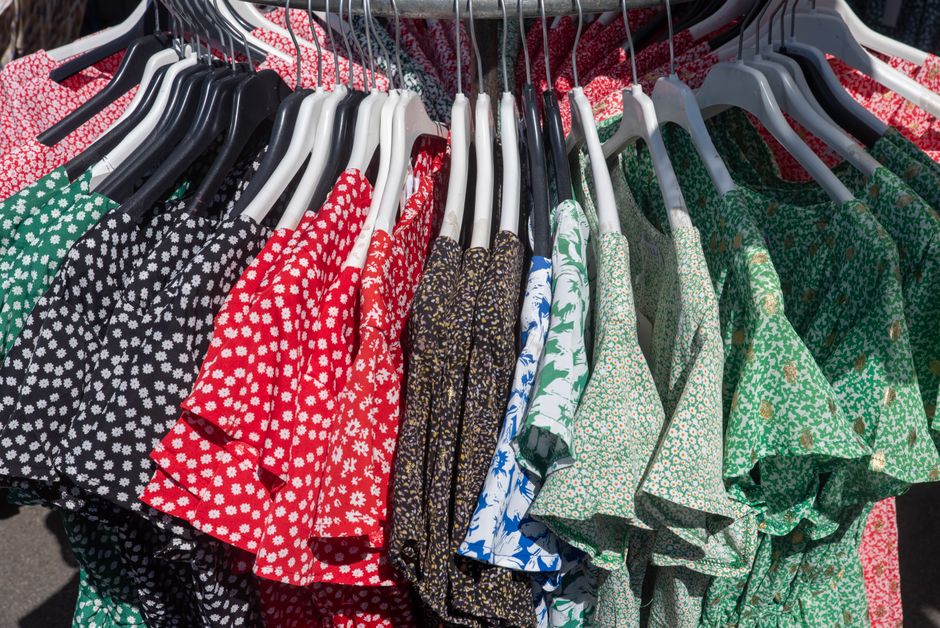
Bottoms have to survive sitting, walking, commuting, and repeated washing. The right capsule needs clear differences in shape, not five versions of the same skinny or wide-leg cut.
Use this three-bottom rotation
- One tailored trouser: Choose a mid- or high-rise pair with a flat front, a straight or gently tapered leg, and enough room to sit comfortably. Black, charcoal, and navy make the strongest office base.
- One straight-leg jean: The Levi’s 501 Original is useful because its button fly and straight silhouette do not depend on a seasonal shape. Dark denim looks sharper at work; medium denim feels more relaxed on weekends.
- One flexible bottom: Add a midi skirt, pull-on trouser, or relaxed chino in a color that connects to the rest of the wardrobe. This piece breaks up the visual repetition of wearing pants every day.
- Check the hem: The trouser should skim the top of the shoe or show a deliberate ankle. A jean that bunches heavily at the ankle makes every outfit look accidental.
- Test the seat and waistband: Sit down for five minutes before buying. If the waistband digs in or the back pockets pull open, the fit is wrong even if the standing mirror looks good.
When not to buy a trend-led bottom
Skip exaggerated cargo pockets, extreme puddle hems, and stiff fabric if the goal is maximum reuse. Those details can be fun, but they narrow the number of tops and shoes that work. The best bottom is the one you can wear twice in seven days without anyone noticing the repeat.
These capsule wardrobe mistakes waste money
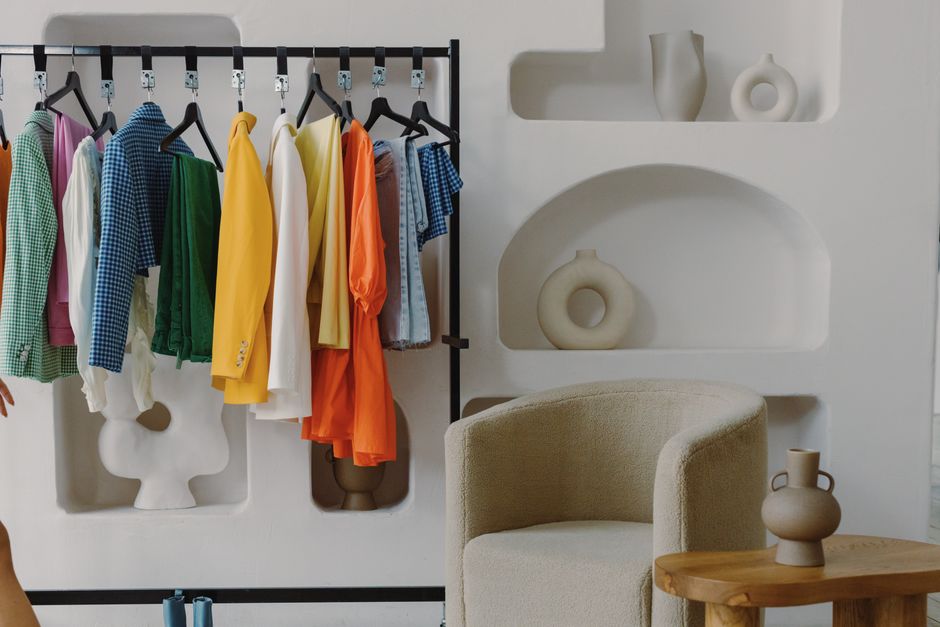
The biggest mistakes are not dramatic. They are small choices that quietly make a wardrobe hard to use.
- Buying a color instead of a system: A bright item may look exciting in the shop but fail if it connects to only one bottom. Start with a neutral base, then add one accent.
- Ignoring fabric care: Dry-clean-only pieces are poor daily workers for most people. Check the care label before buying. A garment that needs special treatment after every wear will stay in the closet.
- Confusing discomfort with polish: Tight waistbands, scratchy knits, and unstable shoes do not make an outfit more professional. They make you adjust your clothes all day.
- Buying too many similar silhouettes: Three wide-leg trousers do not create variety. Add contrast through a straight jean, a skirt, or a different rise.
- Skipping the commute test: Try walking, sitting, bending, and carrying a bag in the full outfit. A jacket that catches on a chair or trousers that slide down will not become better at 8:45 a.m.
- Shopping for an imaginary lifestyle: Do not buy delicate clothes for a job that involves walking between buildings, or formal pieces for an office that rarely sees clients. Build around the week you actually live.
The firm verdict
A capsule should reduce decisions, laundry stress, and outfit changes. If an item adds all three, remove it even if the item is beautiful. Useful beats impressive.
Work-and-weekend capsule questions, answered
How many pieces do you actually need?
Start with 12 to 18 clothing pieces, excluding underwear, sleepwear, workout clothes, and weather-specific gear. A workable core might include three bottoms, five tops, two layers, one dress or skirt, and a small number of accessories. Add pieces only after you see a real gap. Most people do not have a shortage of clothes; they have a shortage of combinations.
Can casual clothes work in a professional office?
Yes, when the shape and condition are right. Dark denim, clean cotton, fine knits, and simple shoes can work in a relaxed office. Ripped fabric, worn collars, visible stains, and athletic details usually weaken the outfit. If the workplace is formal, use the casual pieces for commuting and Friday dressing rather than forcing them into every meeting.
What should you buy first?
Buy the bottom you will wear most, then the shoe that works with it, then two tops in different textures. This order exposes fit problems early and prevents a closet full of shirts with nothing comfortable underneath. The single best starting point is a dark, well-fitting trouser that can move from a workday to a casual dinner without an outfit change. That foundation makes every later purchase easier to judge.