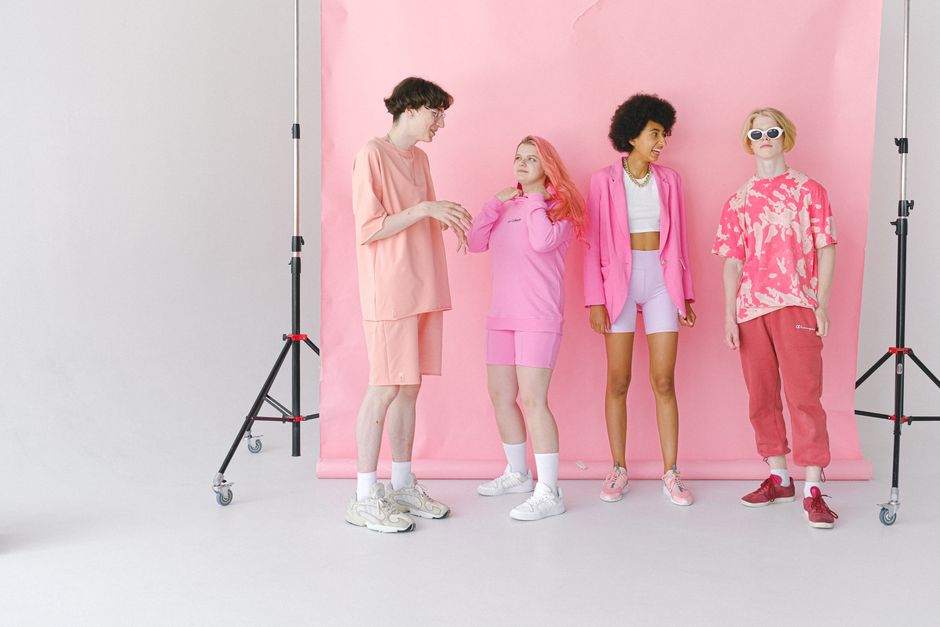
Teenage Fashion Essay: What Actually Matters When Building a Wardrobe
I’ve been dressing myself for about fifteen years now, and I’ve made every mistake you can imagine. Buying cheap boots that fell apart in two months. Following trends that looked ridiculous in photos six weeks later. Owning twenty graphic tees and nothing to wear to a funeral. This essay is what I wish someone had told me at fifteen about building a wardrobe that actually works.
Why Most Teenage Fashion Advice Is Wrong
The internet is full of articles telling teenagers to “invest in basics” or “buy timeless pieces.” That advice is technically correct but practically useless. A fifteen-year-old with a $200 budget doesn’t need a $150 white button-down that fits perfectly. They need clothes that survive school, hangouts, and the weird growth spurts that happen between sophomore and junior year.
Here’s the real problem: most fashion content targets adults with disposable income. Teenagers have different constraints. Your body is changing. Your social context shifts every semester. And you probably don’t have a credit card for online orders that take three weeks to arrive.
The first rule of teenage fashion is honesty about your actual life. If you spend most of your time at a desk, in the hallways, or on public transport, you don’t need a capsule wardrobe designed for a creative director in Brooklyn. You need clothes that don’t wrinkle easily, shoes you can walk a mile in, and layers that work for a classroom that fluctuates between freezing and boiling.
I’ve seen too many teenagers waste money on fast fashion hauls that disintegrate after three washes. The math doesn’t work. Five $20 shirts that last two months each cost more than two $50 shirts that last a year. But the $50 shirts need to be the right ones, and that’s where the advice usually falls apart.
The Fast Fashion Trap
I bought a $15 dress from a certain fast fashion brand when I was seventeen. It looked great in the dressing room. After one wash, the seams twisted. After three washes, the fabric pilled so badly I couldn’t wear it in public. That dress cost me $5 per wear. My $60 Levi’s jeans from a thrift store? I’ve worn them maybe 200 times. That’s $0.30 per wear.
The numbers don’t lie. Cheap clothes are expensive in the long run. But I also understand that sometimes $15 is all you have. So here’s the compromise: buy fast fashion for trendy pieces you’ll wear for one season, but spend real money on jeans, jackets, and shoes that need to hold up.
What to Actually Spend Money On
After years of trial and error, I’ve landed on a simple breakdown. This isn’t a strict rule — it’s a starting point for anyone who doesn’t know where to put their budget.
| Item | What to Spend | Why | Brand Example |
|---|---|---|---|
| Jeans | $40–$80 | Worn multiple times per week, take abuse, last years if quality is decent | Levi’s 501 ($69.50 new, $15–$25 thrifted) |
| Sneakers | $50–$100 | You walk everywhere. Bad shoes ruin your feet and your back. | Vans Old Skool ($65), New Balance 574 ($84.99) |
| Winter jacket | $80–$150 | One jacket for three months. Buy once, cry once. | Patagonia Nano Puff ($199, often on sale for $120) |
| T-shirts | $10–$25 | These get stained, stretched, and replaced. Don’t overspend. | Uniqlo Supima Cotton Tees ($14.90) |
| Outerwear layer | $30–$60 | Hoodies, cardigans, flannels — versatile and forgiving | Carhartt Hoodie ($55), thrifted flannels ($5–$10) |
Notice what’s missing from this table: accessories, bags, jewelry, and shoes other than sneakers. Those are low priority for a teenage wardrobe. A $30 belt won’t make your outfit. A $30 pair of jeans that fits badly will ruin it.
Where to Find These Prices
Thrift stores are obvious, but let me be specific. I’ve found nearly new Levi’s at Goodwill for $12. I’ve found Patagonia fleeces at Salvation Army for $8. The trick is consistency — go once a week, know which stores near you get good donations, and learn to spot fabric quality by touch. A store in a wealthier neighborhood will have better brands. A store near a college gets dressier stuff when students move out.
For new items, Uniqlo is the best bang for your buck in 2026. Their Supima cotton tees are $14.90 and hold up better than shirts costing three times as much. Their AIRism line is great for layering. Gap factory sales can get you decent jeans for under $30 if you wait for the right moment.
The Three Biggest Mistakes Teenagers Make With Clothes
I’ve made all three of these. Let me save you the trouble.
Mistake one: buying for the body you want, not the body you have. I bought a size small leather jacket because I was “working on it.” It never fit. I wore it twice. Don’t buy clothes that don’t fit right now. If you lose or gain weight, buy clothes that fit then. Clothes that are too small make you look smaller. Clothes that are too big make you look sloppy. Fit is everything.
Mistake two: following trends without context. Remember when everyone wore those tiny sunglasses? They looked good on exactly three people. Trends are designed to sell you things you don’t need. Before buying a trendy piece, ask yourself: “Would I wear this if no one else was wearing it?” If the answer is no, don’t buy it. The trend will pass, and you’ll be stuck with a weird piece that doesn’t work with anything.
Mistake three: buying multiples of the same thing. I owned five black t-shirts at one point. Why? Because I found one I liked and bought it in every color. But I only wore two of them regularly. The others sat in a drawer. Buy one, wear it for a month, and if you genuinely need another, get another. Don’t buy the whole set upfront.
When NOT to Buy Something
This section is more important than what to buy. I’ve learned the hard way that knowing when to walk away saves more money than any shopping hack.
Don’t buy something just because it’s on sale. A $40 sweater that’s marked down from $80 is still a waste if you never wear it. I have a closet full of “great deals” that I grabbed because the price was low, not because I actually wanted the item. The discount isn’t saving you money if the item has zero value to you.
Don’t buy clothes that require special care. If a shirt says “dry clean only” and you’re a teenager, you will never dry clean it. You’ll either ruin it in the wash or let it sit in your closet. Stick to machine washable fabrics. Cotton, polyester blends, denim, and most knits are fine. Silk, wool suits, and delicate synthetics are not your friend right now.
Don’t buy shoes without walking in them. I bought a pair of platform sneakers online because they looked cool. They were unwearable after twenty minutes. Your feet will tell you the truth. Walk around the store for at least five minutes. If they hurt in the store, they will hurt worse after a full day.
Don’t buy anything that doesn’t match at least three things you already own. This is my personal rule. Before buying a new piece, I mentally pair it with three outfits from my existing wardrobe. If I can’t do that, I don’t buy it. This prevents the “orphan item” problem — that one cool piece that never works with anything.
Thrifting vs. New vs. Fast Fashion — A Realistic Breakdown
Everyone has an opinion on where teenagers should shop. Here’s mine, based on actually doing all three for years.
Thrifting is the best option for most things, but it takes time. You can find incredible pieces for $5–$15, but you have to hunt. Go with a friend, make it a social thing, and don’t expect to find something every time. The best thrifters go often and leave empty-handed often. That’s normal. Don’t buy something just because you spent an hour looking.
Buying new is worth it for specific items. Underwear, socks, and bras should always be new. Shoes are better new unless you find a truly pristine pair. Basics like plain t-shirts and jeans from Uniqlo or Gap are worth the retail price because they’re consistent — you know exactly what you’re getting.
Fast fashion has a place, but it’s small. If you need a costume for a themed party, a one-time event outfit, or a trend you want to try for one season, fast fashion is fine. Just know that piece won’t last. I bought a neon green top from a fast fashion site for a concert. Wore it once. It was $12. That’s fine. The problem is when people buy their entire wardrobe from those places and expect it to hold up.
My Personal Shopping Strategy
I thrift for jeans, jackets, sweaters, and button-downs. I buy new for t-shirts, underwear, socks, and sneakers. I use fast fashion only for trend pieces that I know will be out of style in six months. This split has saved me hundreds of dollars and given me a wardrobe that actually works for my life.
One more thing: learn to sew a button and patch a hole. A $5 sewing kit from a drugstore will extend the life of your clothes by years. I’ve saved three pairs of jeans and two jackets with basic repairs. It takes ten minutes and costs nothing.
Final Thoughts on Building Your Wardrobe
Your style will change. Your body will change. Your budget will hopefully grow. The goal isn’t a perfect wardrobe — it’s a functional one that lets you get dressed without stress. Focus on fit over brand. Focus on versatility over trends. Focus on longevity over price tags.
I still own that pair of thrifted Levi’s from five years ago. They’ve been hemmed, patched, and worn to absolute death. They cost me $12. They’re worth more to me than anything I’ve ever bought full price. That’s the standard I aim for now.